Bells Beach Bowl.
Bells Beach is a locality 100 kilometres south-west of Melbourne on the Great Ocean Road, near Torquay and Jan Juc, and the Bowl is one of the reef waves in the bay. Wikipedia says the beach and coastal reserve are listed on the Victorian Heritage Register and that Bells is home to the world's longest continuously running pro surfing competition, now known as the Rip Curl Pro Bells Beach, first held in January 1962. The Bowl sits beside the more famous Rincon, and it shares much of its weather, its swell and its cold water.
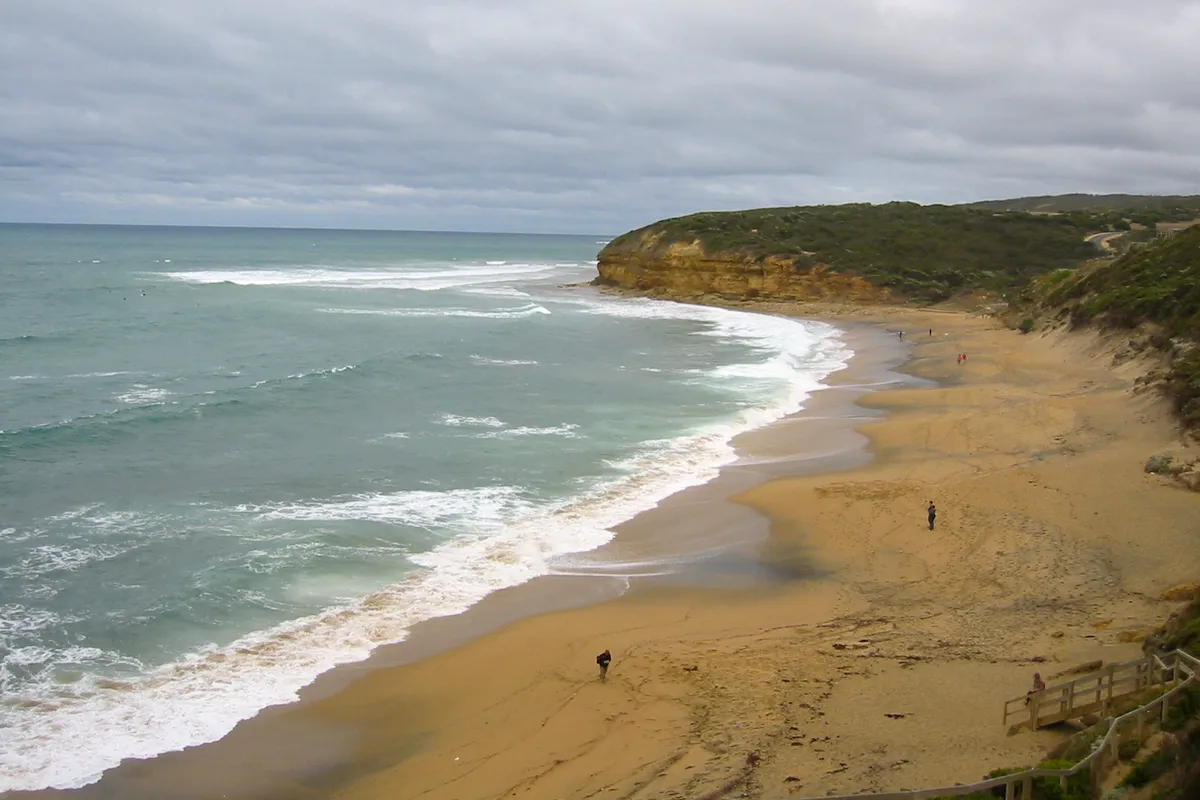 Photo: Cookaa · CC BY-SA 3.0 · Wikimedia Commons
- Level
- Advanced
- Direction and bottom
- Right · Reef
- Best swell
- SW groundswell
- Best wind
- NW offshore
- Best tide
- Mid tide on the rise
- Best months
- Apr, May, Jun, Jul, Aug, Sep
- Size
- Chest-high to well overhead; the Bowl is a short, steep take-off
- Hazards
- Dangerous rips, Cold water, Reef and cliff base, Crowds around the contest, Strong winter swell
Where the Bowl sits
Surf-Forecast lists Bells Beach as a series of reef breaks within a short distance of one another, including Rincon, the Bowl, Centreside and Winki Pop. The page for the Bowl describes it as an exposed reef and point break rated four out of ten. Sources I could verify give no separate direction for the Bowl, so the right-hand description here follows the general character of the bay rather than a source that says so explicitly. Check locally before you commit to a peak.
The key point for visitors is that the Bowl is a reef wave on a coast that receives powerful Southern Ocean swell. The same swell that makes Rincon long and clean can make the Bowl thick and fast. The bay is exposed, and when the swell is up, the surf is serious.
Swell, wind and tide
The best swell is from the south-west, and the best wind is north-west offshore, according to Surf-Forecast. The best tide is around mid tide while rising. Winter is the main season, especially July, when about 60 percent of the time is clean, 29 percent blown out and 11 percent too small. Summer is mostly flat. These figures explain why the contest takes place at Easter, when the Southern Ocean swell season starts to build.
The sea temperature is about 16 degrees Celsius, with a spring wetsuit and boots suggested for that day. In winter the water is colder, and a thick wetsuit with boots, gloves and hood is normal. Wind chill on the clifftop can be severe, so bring warm clothes.
Who should not surf it
The Bowl is for experienced surfers who are comfortable in cold, powerful reef surf. Surf-Forecast lists dangerous rips as the hazard for the Bells breaks, and the page describes the surf as sometimes crowded. The reef is shallow in places and the cliffs behind the beach offer little shelter. If you are a beginner or an improver, you will find friendlier waves on the beaches at Torquay and Jan Juc.
During the Rip Curl Pro event, some areas may be closed or restricted. Follow signs and instructions from officials, and do not enter closed areas. If you are unsure whether the wave is within your ability, watch it for a full set cycle, then choose a smaller peak or a different beach.
Getting there and watching
Bells Beach is about 100 kilometres south-west of Melbourne, on the Great Ocean Road near Torquay, according to Wikipedia. Surf-Forecast lists Avalon airport about 40 kilometres away and Melbourne Moorabbin about 84 kilometres away. The easiest way to arrive is by hire car, and a car park serves the viewing area above the beach.
The lookout above the bay provides excellent views of the waves and the surfers. Take care on cliff paths and keep to marked tracks. The coastal reserve is a protected area, so take your rubbish with you and follow all rules. Parking can fill up on busy days, particularly during the Easter event.
The name and the area
Wikipedia says Bells Beach was named after William Bell, a Geelong businessman and grazier who owned much of the land from the 1840s. The surrounding Surf Coast has many other breaks, and the destination guide for Bells Beach describes the wider area, lessons and places to stay.
Planning a visit to the Surf Coast
The Surf Coast is exposed to the Southern Ocean, and conditions can change within an hour. Check the swell period as well as the height, since a long-period groundswell behaves very differently on the reef from a short, steep one. Pack more warmth than you expect: a hooded wetsuit, boots and a windproof layer for the clifftop make long waiting sessions easier. Visitors who are not surfing can still enjoy the walk along the coastal reserve and the view over the bay. Because the car park and lookout are used by large numbers of people during the Easter contest, arrive early or consider staying in Torquay and driving in. Respect cliff-edge fencing, and keep dogs and children away from unstable ground.
The ocean off Bells Beach, by month
| J | F | M | A | M | J | J | A | S | O | N | D | |
|---|---|---|---|---|---|---|---|---|---|---|---|---|
| Swell, m | 1.3 | 1.2 | 1.3 | 1.3 | 1.4 | 1.1 | 1.4 | 1.1 | 1.3 | 1.1 | 1.2 | 1.3 |
| Period, s | 12 | 12 | 12 | 13 | 13 | 13 | 12 | 13 | 13 | 13 | 12 | 12 |
| Water, °C | 19 | 19 | 19 | 17 | 16 | 14 | 13 | 13 | 13 | 14 | 15 | 17 |
Open-ocean ERA5 medians, not wave size at the break. Sources.
Questions about Bells Beach Bowl
Is the Bowl a left or a right?
It is generally described as a right, but the sources I could verify do not state a direction for it, so check locally before committing.
When is the best season?
Winter, especially July, when Surf-Forecast shows about 60 percent of the time is clean.
How cold is the water?
About 16 degrees Celsius on Surf-Forecast's page, with a spring wetsuit suggested; colder in winter.
How far is Bells Beach from Melbourne?
About 100 kilometres south-west on the Great Ocean Road, according to Wikipedia.
Do I need a wetsuit with boots at Bells?
In most seasons, yes. Surf-Forecast suggests a spring wetsuit with optional boots at around 16 degrees Celsius, but winter water is colder and wind on the cliff adds to the chill. A hood and gloves are sensible from about June to September, when the best swells arrive and sessions tend to be long.
Check a live forecast and local advice before paddling out. Heavy waves injure and kill experienced surfers.