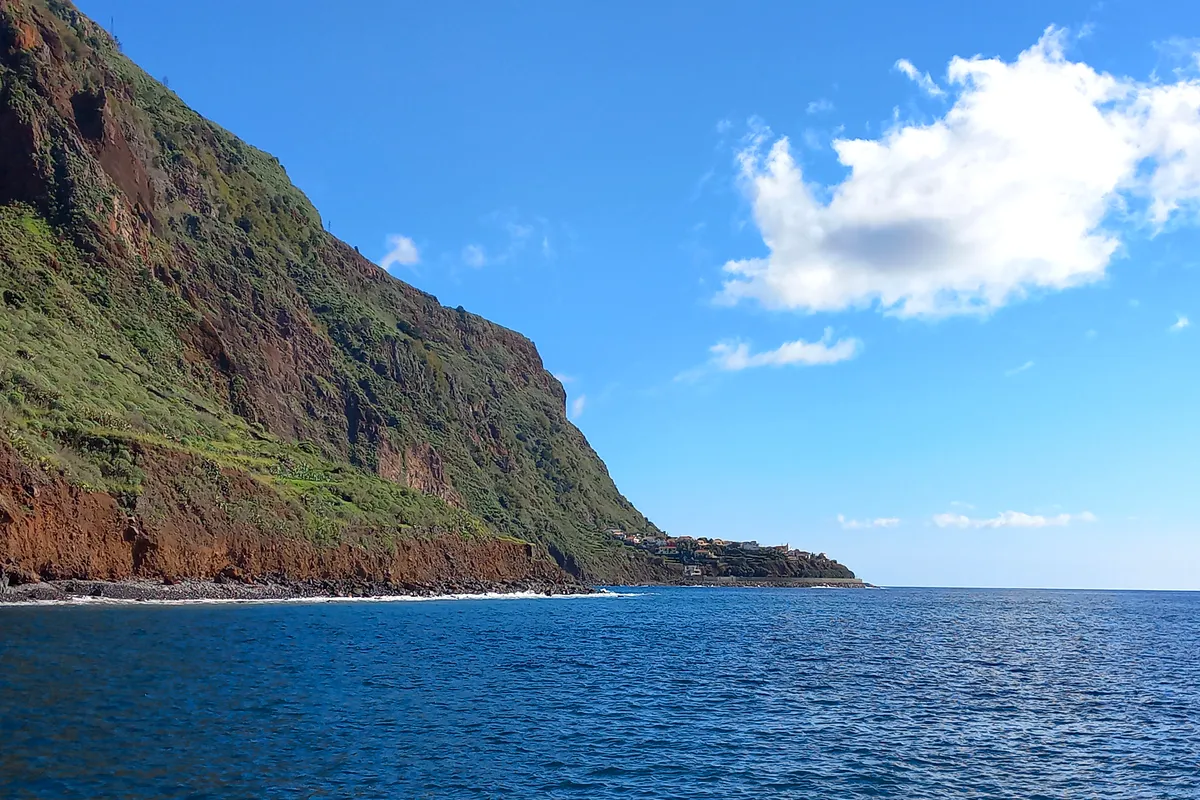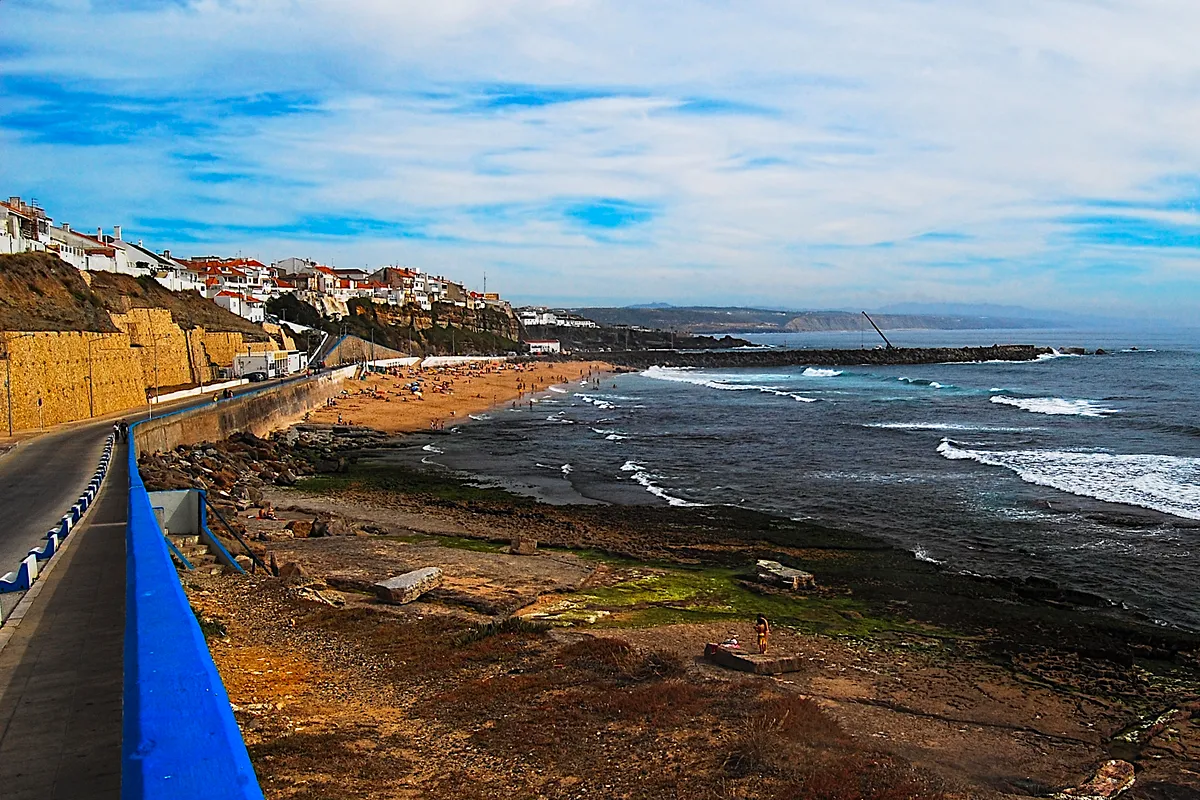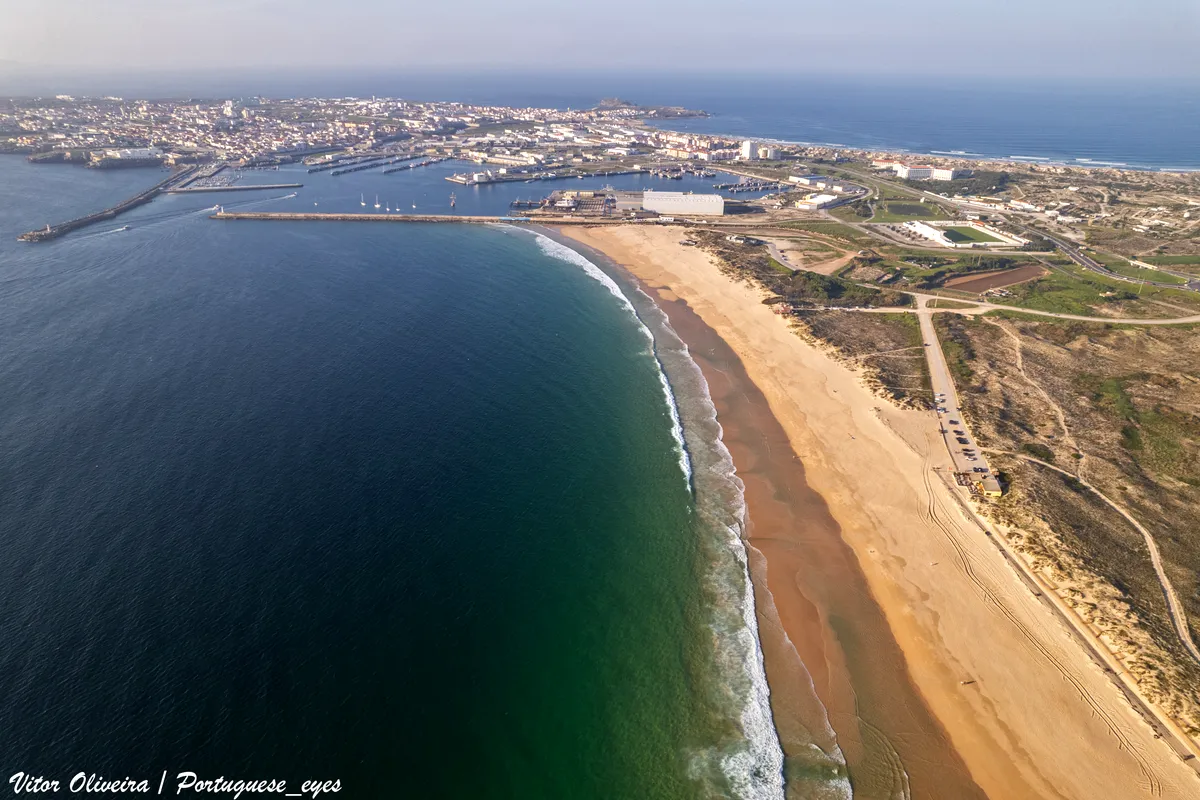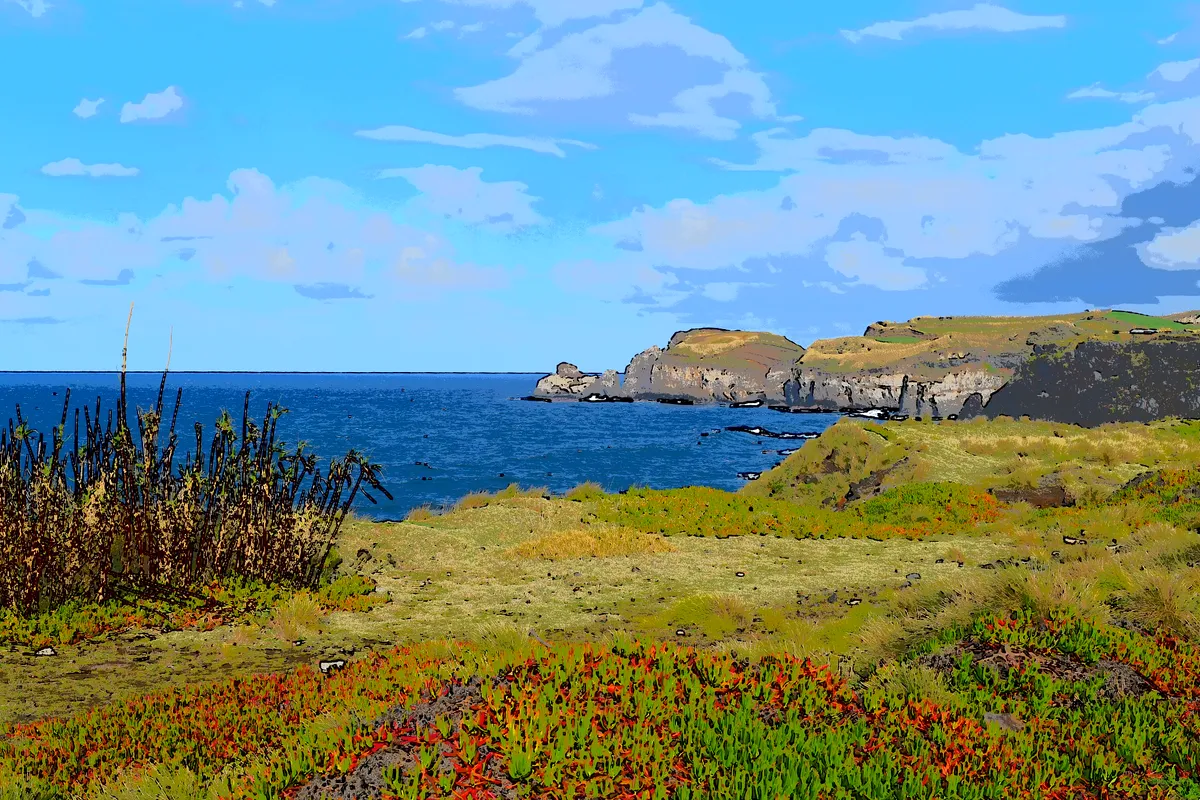
The breaks
Recognised, publicly known surf spots around São Miguel, Azores. Suitability depends on the day's swell, wind and tide, so treat the level as a guide, not a guarantee.
| Break | Type | Best for | Notes |
|---|---|---|---|
| Santa Bárbara | Beach break | Beginner–Advanced | The island's most famous wave, near Ribeira Grande. A broad beach break that hosts contests and suits surfers of mixed ability, but strong rips and crowds appear when the swell is up. |
| Pedra do Caldeirão | Reef and rock | Advanced | A well-known break near Santa Bárbara that works on larger swells. Volcanic rock and limited exits make it a place for experienced surfers. |
| Monte Verde | Beach break | Intermediate | On the north coast near Ribeira Grande. A quieter alternative to Santa Bárbara when the main banks are crowded; conditions depend heavily on the sand. |
| Mosteiros | Beach and rock | Intermediate–Advanced | On the north-west coast, with sea stacks offshore. It can offer waves when other beaches are out of shape, but needs local advice on conditions and exits. |
| Rabo de Peixe | Beach break | Intermediate | A fishing village near Ribeira Grande with beach waves nearby. Quieter than Santa Bárbara on many days; check the banks and currents before paddling out. |
São Miguel, Azores surf climate, measured
Ten years of ocean model data for the open water off this coast: what the swell usually looks like before it reaches the beach. Shelter, sandbars and reefs change what you actually surf, so read this next to the month notes below.
| Month | Swell | Period | From | Wind | Water | Wetsuit | Days over 2.5 m |
|---|---|---|---|---|---|---|---|
| Jan | 2.5 m | 12 s | NW | 22 km/h S | 17°C | 3/2 mm full suit | 50% |
| Feb | 2.6 m | 13 s | NW | 20 km/h SE | 16°C | 3/2 mm full suit | 53% |
| Mar | 2.4 m | 12 s | NW | 20 km/h SW | 16°C | 3/2 mm full suit | 48% |
| Apr | 2.2 m | 11 s | NW | 24 km/h NW | 17°C | 3/2 mm full suit | 35% |
| May | 1.6 m | 10 s | W | 15 km/h W | 18°C | 3/2 mm full suit | 18% |
| Jun | 1.3 m | 10 s | NW | 16 km/h NW | 20°C | 2 mm shorty or spring suit | 5% |
| Jul | 1.2 m | 9 s | N | 15 km/h NW | 22°C | Rash vest or 1 mm top | 0% |
| Aug | 1.2 m | 10 s | N | 14 km/h W | 24°C | Rash vest or 1 mm top | 0% |
| Sep | 1.5 m | 10 s | N | 14 km/h N | 24°C | Rash vest or 1 mm top | 8% |
| Oct | 2.2 m | 10 s | N | 18 km/h N | 22°C | Rash vest or 1 mm top | 33% |
| Nov | 2.4 m | 11 s | NW | 24 km/h SW | 20°C | 2 mm shorty or spring suit | 43% |
| Dec | 2.5 m | 12 s | W | 26 km/h S | 18°C | 3/2 mm full suit | 48% |
Median values from ERA5 at a sea point near São Miguel, Azores (37.75°N, 25.5°W), sampled 4 days a month at 12:00 UTC, 2015-2024. Highlighted months are our suggested planning window. Not a forecast or a safety assessment. How we use this data.
Book a surf trip to São Miguel, Azores
Everything we can link you to for this trip, grouped by what you need. Before you pay a camp or school, read who holds your money, and check that your insurance covers surfing.
Where to stay
Search near the breaks. Filter for surf hostels, apartments or hotels once you can see the map.
Surf lessons and activities
Listings change by season, so check what the operator includes and who coaches.
Flights
Add your dates and check the board fee on every leg before you pay.
Car hire
Ask about roof racks and whether the insurance covers boards on the roof.
Airport transfer
Tell the driver you have a board and its length when you book.
Mobile data
Download a forecast app and offline maps before you land.
Flight delay claims
If a delay eats your first surf day, check whether you can claim.
Luggage storage
Useful between check-out and a late flight. Check the size limit before dropping a board.
Links marked as partner links may earn us commission at no cost to you; the rest earn us nothing. We have not checked live availability or price, and the seller's terms apply. How we handle this.
Cheapest months to fly to São Miguel, Azores
Lowest return fare to PDL that Aviasales users found recently, in US dollars. Treat these as a guide to which months are cheaper, not as prices you can book today.
| From | Nov 26 | Dec 26 | Feb 27 | Jun 27 |
|---|---|---|---|---|
| London | $332 | – | – | – |
| New York | – | – | – | $804 |
| Frankfurt | – | $824 | $442 | – |
Prices seen by 1 November 2026. Travelpayouts Data API. Board fees are extra on most airlines: see our surfboard baggage guide.
Mid-Atlantic swell on a volcanic island
São Miguel covers roughly 745 to 760 square kilometres and has about 225 kilometres of coastline. It is the largest island in the Azores archipelago, and it lies far out in the Atlantic, with nothing to filter the swells that spin off winter storms. That exposure is the reason surfers come: waves arrive from several directions, and on any given day there is usually somewhere on the island that is working.
The flip side is that the Atlantic is unpredictable. Weather fronts move through quickly, the wind switches and a beach that was perfect at dawn can be blown out by lunchtime. Come with a flexible plan and a rental car, rather than expecting a fixed daily routine. Some guides describe surfing here as possible all year, with the strongest season for experienced surfers from October to March.
Santa Bárbara and the Ribeira Grande coast
Santa Bárbara, near the town of Ribeira Grande, is described by several guides as the island's flagship break. It is a beach break rather than a reef, which makes it an approachable wave by Azorean standards, and it has hosted World Surf League qualifying events since 2010. Waves up to around two and a half metres are mentioned in one guide as ideal for surfing and bodyboarding.
Ribeira Grande is the second-largest municipality on the island, with about 30,000 inhabitants, and covers much of the north coast. Many surf visitors base themselves in or near the town rather than in the capital, because it is close to the main breaks. Other north-coast spots mentioned include Monte Verde, Santa Iria, Maia, Milícias, Água d'Alto, São Roque and Rabo de Peixe. Treat any list as a starting point and ask locals which banks are working that day.
Reefs, rocks and the harder side of the island
Beyond the beach breaks, São Miguel has reef and rock waves that break over volcanic rock. Guides mention Pedra do Caldeirão, near Santa Bárbara, as a marquee break that works on larger swells. Mosteiros, in the far west, and Calhetas are also named as options.
Volcanic rock is sharp, and some of these breaks have little in the way of facilities, lifeguards or easy exits. Do not paddle out alone at remote spots, wear boots where the entry is rocky, and look for a clear exit before you commit to a take-off. A school or experienced local can point out safer days for these breaks.
Getting around: car hire and the 30-kilometre north coast
The north-coast surf spots between Ribeira Grande and Mosteiros are spread out over around 30 kilometres and are not served well by public transport. A rental car is the practical answer, and it also lets you swap between the north and south coasts when the wind changes.
Ponta Delgada's João Paulo II Airport is the island's gateway and connects to the other islands, Lisbon, Porto, Faro and some international destinations. Hire a car at the airport, drive up to Ribeira Grande and use your first morning to scout. Parking at the popular beaches is easy outside of peak weekends, but narrow village lanes can be tricky.
A mild climate that doesn't stay put
São Miguel has a mild maritime climate, with temperatures usually between 14 and 23 degrees Celsius. Summers are drier and winters wetter, and the western half of the island is drier than the central highlands, where rainfall can exceed 3,000 millimetres a year. Ponta Delgada records around 1,700 hours of sunshine annually, but that does not mean your week will be clear.
Wetsuit choice depends on the season. A 3/2 is common in late summer and early autumn, while winter calls for a 4/3 and sometimes boots. A light waterproof jacket is more useful than sunscreen on many days, and the island is famous for experiencing several kinds of weather within a single afternoon.
Lakes, hot springs and flat-day plans
Sete Cidades, a volcanic caldera in the west, holds a pair of lakes in a crater and is the island's postcard view. Furnas, on the eastern part of the south coast, is another volcanic centre with a lake in one of its calderas and a long tradition of geothermal bathing.
Both are easy day trips from the north coast by car, and are a reasonable response to a day when the forecast has not delivered. Pack a swimsuit for the hot springs, and plan an early start for the viewpoints before cloud closes in.
Respecting local rules and sharing the lineup
The Azorean surf community is friendly but small, and the best-known peaks fill quickly when the forecast is good. Give priority to locals and school groups at the main banks, keep your distance from lesson zones and avoid dropping in.
Treat the environment with care: the island's shoreline is a mixture of fragile rock pools, farm land and village streets. Take litter away, park where you are allowed and be careful around cliff paths above the surf, especially in strong wind.
São Miguel, Azores surf season month by month
A broad planning picture, not a forecast. Swell, wind and water temperature vary from year to year.
| January | Large winter swells and frequent rain. The north coast is powerful and best for experienced surfers; a 4/3 with boots keeps you warm enough. |
|---|---|
| February | Still big and consistent, with changeable weather. Not the month to learn, but uncrowded breaks reward patient surfers. |
| March | Swell remains regular while days lengthen. Conditions begin to calm, and a mix of beach and reef options come into play. |
| April | Spring weather with moderate swell and fresh green hills. A good month for intermediates who prefer quieter lineups. |
| May | Smaller, kinder surf and longer days. Lessons become easier to run, and the island is pleasantly uncrowded. |
| June | Often small and manageable. The sea warms slowly, and many visitors combine easy surfing with hiking and lake visits. |
| July | Warm and drier weather with small waves on most days. Best for beginners and for family trips, with high season prices. |
| August | Peak summer and the warmest sea of the year. Waves are mostly modest, and accommodation is at its busiest. |
| September | Early autumn swells arrive while the water is still warm. A strong all-round month for mixed groups. |
| October | Consistent swell, often with good wind. Commonly cited as the start of the best period for experienced surfers. |
| November | Bigger waves, more rain and quieter beaches. Excellent for confident surfers; check forecasts for wind and storm warnings. |
| December | Short days and heavy swell. Surf is powerful and the weather unsettled, so surf close to help and keep daylight in mind. |
Learning to surf on São Miguel
Santa Bárbara is the main learning beach, thanks to its long sandy stretch near Ribeira Grande, and several schools are based in the area. Sessions generally run on the north coast, and good instructors will move groups to a more sheltered beach if the swell is too large.
Because the Atlantic is lively, the beginner window is more limited than at some mainland beaches. Summer and early autumn give the smallest and warmest conditions, while winter can be too powerful for first-timers. Ask about group size, equipment and what happens if the surf is cancelled on the day.
If you already surf, a few lessons or a coaching session can introduce you to local banks and rips, which change quickly. The Azorean sea is not a place to push beyond your level.
Comparing options across the country? Read our guide to surfing in Portugal.
Seasonal notes on this page describe typical patterns, not the conditions on a given day. Use the local forecast, lifeguard advice and a qualified instructor for water-safety decisions, and get a written breakdown of what any surf package includes before paying.
São Miguel, Azores surf trip questions
Where is the best place to surf on São Miguel?
Santa Bárbara, near Ribeira Grande, is the best-known beach break and the main base for lessons. There are other beach and reef options along the north coast.
When is the best time to surf in the Azores?
Guides describe October to March as the best period for experienced surfers, while summer is smaller and more suitable for beginners. Swell can arrive at almost any time of year.
Do I need to hire a car on São Miguel?
Yes, in most cases. North coast surf spots are spread over about 30 kilometres and public transport is limited, so a rental car gives you the freedom to chase conditions.
Is the water cold in the Azores?
It is milder than northern Europe but not tropical. A 3/2 suits late summer, and a 4/3 is more comfortable for the rest of the year, with boots on rocky days.
Is São Miguel good for non-surfers?
Yes. Sete Cidades, Furnas and hot springs, hiking and coastal villages make it an easy island to share with companions who do not surf.
Sources & editorial notes
Destination context checked against the sources below. Base-selection and itinerary suggestions are Book & Surf editorial recommendations. Seasonal windows are broad planning suggestions, not measured forecasts or guarantees.
We do not claim to have personally surfed every break. Read our editorial standards.