The breaks
Recognised, publicly known surf spots around Cabarete. Suitability depends on the day's swell, wind and tide, so treat the level as a guide, not a guarantee.
| Break | Type | Best for | Notes |
|---|---|---|---|
| Playa Encuentro (the left) | Reef/sand left | Beginner–Intermediate | A gentle rolling left that suits learners and improvers. Busy at weekends and in winter. |
| Playa Encuentro (the right) | Reef right | Intermediate–Advanced | A faster, hollower right over reef. Handles more size and demands a confident take-off. |
| Coco Pipe | Hollow reef | Advanced | A powerful wave that works mostly in winter or on hurricane swell. Shallow and heavy; locals know it best. |
| Kite Beach reef | Reef | Intermediate | A reef break near the main kitesurfing zone, popular with stand-up paddlers. Watch for kite lines and shallow reef. |
| Cabarete Bay | Small beach break | Beginner | Usually small, with a sandy bottom in places. Windy by midday and often busy with windsurfers. |
Cabarete surf climate, measured
Ten years of ocean model data for the open water off this coast: what the swell usually looks like before it reaches the beach. Shelter, sandbars and reefs change what you actually surf, so read this next to the month notes below.
| Month | Swell | Period | From | Wind | Water | Wetsuit | Days over 2.5 m |
|---|---|---|---|---|---|---|---|
| Jan | 1.5 m | 10 s | NE | 11 km/h SE | 26°C | Boardshorts | 10% |
| Feb | 1.6 m | 10 s | NE | 12 km/h SE | 26°C | Boardshorts | 0% |
| Mar | 1.6 m | 9 s | NE | 12 km/h E | 26°C | Boardshorts | 8% |
| Apr | 1.3 m | 9 s | NE | 11 km/h SE | 26°C | Boardshorts | 0% |
| May | 1.2 m | 8 s | E | 12 km/h SE | 27°C | Boardshorts | 0% |
| Jun | 1.0 m | 7 s | E | 13 km/h SE | 27°C | Boardshorts | 0% |
| Jul | 1.2 m | 8 s | E | 13 km/h SE | 28°C | Boardshorts | 0% |
| Aug | 1.1 m | 7 s | E | 12 km/h SE | 28°C | Boardshorts | 0% |
| Sep | 1.2 m | 10 s | NE | 10 km/h SE | 29°C | Boardshorts | 0% |
| Oct | 1.2 m | 9 s | NE | 9 km/h SE | 29°C | Boardshorts | 0% |
| Nov | 1.4 m | 9 s | NE | 9 km/h SE | 28°C | Boardshorts | 0% |
| Dec | 1.5 m | 9 s | NE | 12 km/h E | 27°C | Boardshorts | 0% |
Median values from ERA5 at a sea point near Cabarete (19.75°N, 70.75°W), sampled 4 days a month at 12:00 UTC, 2015-2024. Highlighted months are our suggested planning window. Not a forecast or a safety assessment. How we use this data.
Book a surf trip to Cabarete
Everything we can link you to for this trip, grouped by what you need. Before you pay a camp or school, read who holds your money, and check that your insurance covers surfing.
Where to stay
Search near the breaks. Filter for surf hostels, apartments or hotels once you can see the map.
Surf lessons and activities
Listings change by season, so check what the operator includes and who coaches.
Flights
Add your dates and check the board fee on every leg before you pay.
Car hire
Ask about roof racks and whether the insurance covers boards on the roof.
Airport transfer
Tell the driver you have a board and its length when you book.
Mobile data
Download a forecast app and offline maps before you land.
Flight delay claims
If a delay eats your first surf day, check whether you can claim.
Luggage storage
Useful between check-out and a late flight. Check the size limit before dropping a board.
Links marked as partner links may earn us commission at no cost to you; the rest earn us nothing. We have not checked live availability or price, and the seller's terms apply. How we handle this.
Cheapest months to fly to Cabarete
Lowest return fare to POP that Aviasales users found recently, in US dollars. Treat these as a guide to which months are cheaper, not as prices you can book today.
| From | Nov 26 | Dec 26 | Jan 27 | Feb 27 |
|---|---|---|---|---|
| London | $1932 | – | – | $1074 |
| New York | $525 | $290 | – | – |
| Frankfurt | – | $1720 | $1118 | – |
Prices seen by 1 November 2026. Travelpayouts Data API. Board fees are extra on most airlines: see our surfboard baggage guide.
A town built around the wind
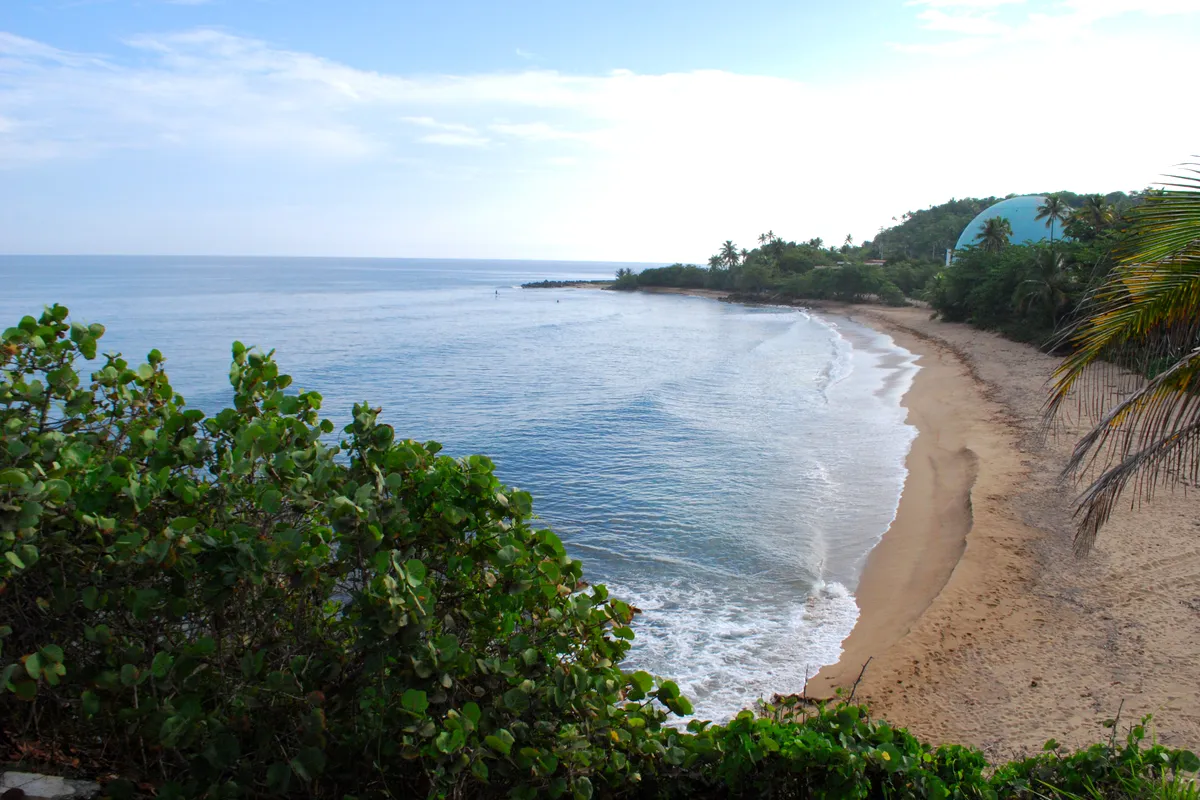
Cabarete lies on a curve of sand in Puerto Plata Province, on the Atlantic side of the island of Hispaniola. A consistent onshore breeze funnels along the bay, which has made it a base for professional windsurfing and kitesurfing competitions, including a Windsurfing World Cup and the multi-sport Master of the Ocean event.
The settlement dates from 1835, when the merchant Zephaniah Kingsley founded it on his estate and brought freed people from his Florida plantations; their descendants still live in the area. Today the town has about 14,000 residents, a long strip of restaurants and bars along the main road, and an international crowd of kiters, surfers and remote workers. It has a tropical rainforest climate.
Playa Encuentro: the main surf break
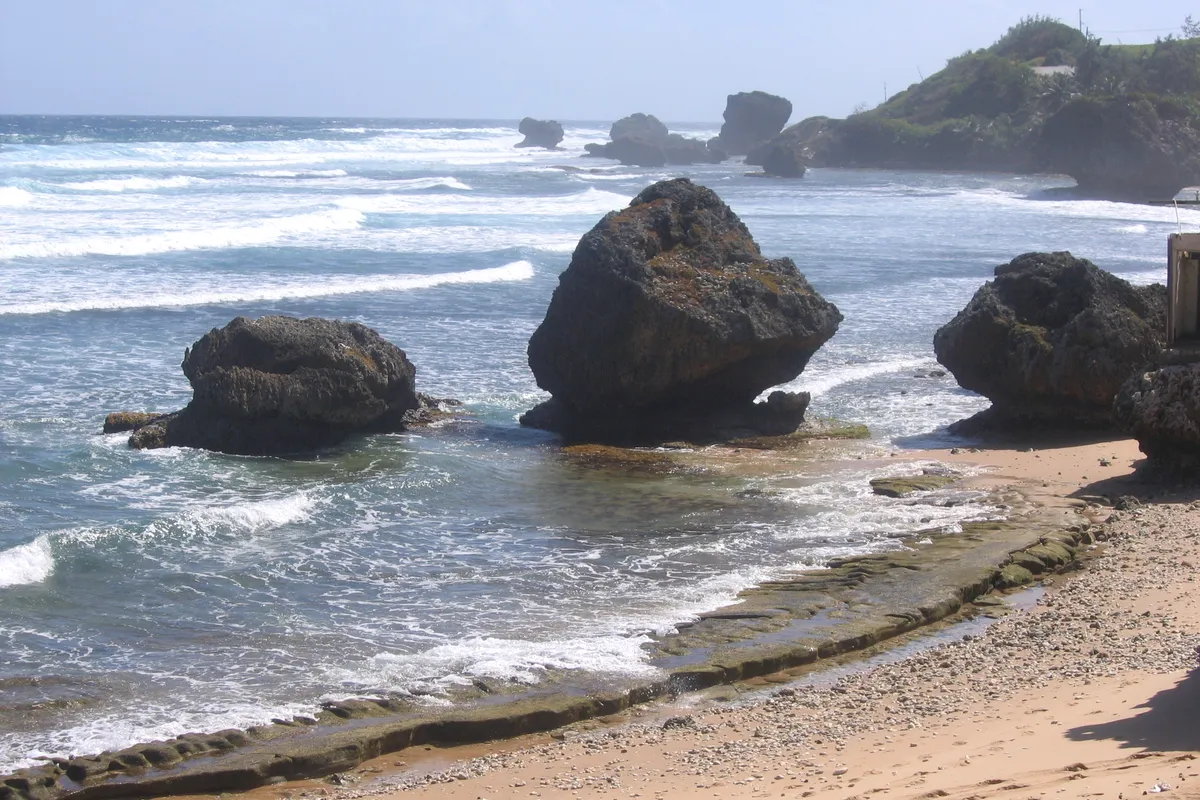
Playa Encuentro, about five kilometres west of Cabarete Bay, is the town's main surf beach and has several breaks suited to beginners and experienced surfers alike. Local guides describe a multi-peak reef and sand break with a left on one side, a faster right on the other and a hollow wave known as Coco Pipe that works mostly in winter or on hurricane swell. Names and numbers of peaks vary between sources, so ask in the water.
The left is the friendliest, with a gentle, rolling wall for beginners and intermediates. The right is faster and more demanding. Because several peaks break at once, the crowd spreads out better than in many small towns. A local surf school or the staff in the beach shops can tell you where to start.
Kite Beach and the reef west of town
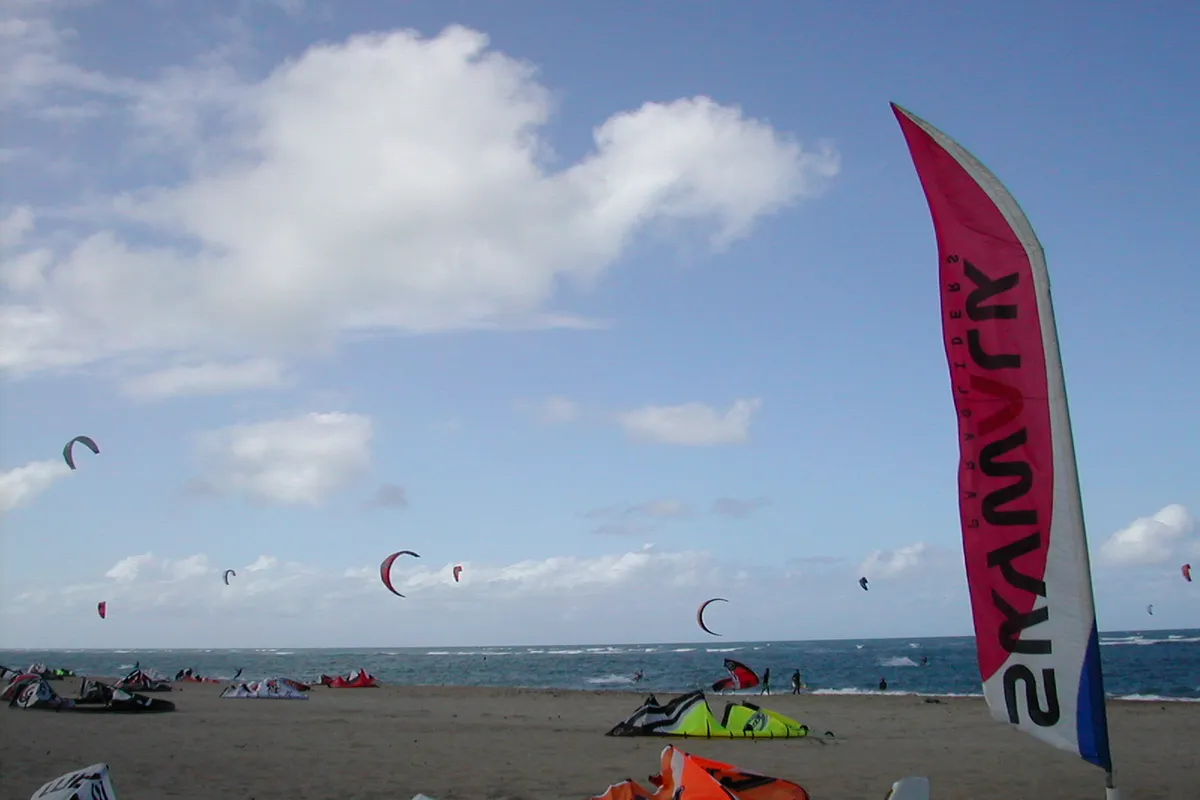
Kite Beach is about 2.4 kilometres west of the bay and is where most kitesurfers launch. There is also a reef break there that is popular with stand-up paddle surfers. The reef is shallow in places and the water is busy with kites on windy days, so surfers should check the shoreline and give lines a wide berth.
There are more breaks along the coast between Cabarete and Sosúa, as well as a few reef setups west of Encuentro that local surfers know. Many of these are only accessible by a dirt track or require a paddle, and some work only on certain tides and swells. Take local advice and go with someone who has been before.
Wind, swell and when it all lines up
The north coast gets Atlantic swell from winter storms, and the surf season generally runs from November to April. December, January and February are considered the most reliable months for larger waves, and some guides add that the biggest swells come in October and April. In summer, waves are usually smaller, and the afternoon wind is stronger, which suits learners and kiters.
The daily breeze usually builds through the late morning and is strongest around midday. For surfers that means early starts: dawn sessions often have lighter winds and cleaner faces, and by lunchtime the wind makes the surface choppy. That rhythm also leaves the afternoon free for kitesurfing or a swim.
Getting to Cabarete from the airport
Puerto Plata's international airport (POP) is the nearest, with seasonal and year-round flights from North America and Europe. By road, Cabarete is roughly half an hour away, depending on traffic and the route, and taxis and pre-booked transfers are the standard way to arrive. Some visitors fly into Santiago or Santo Domingo and drive across the island, which takes several hours.
Within Cabarete, motoconchos (motorbike taxis) and shared minibuses called guaguas run along the main road, while Encuentro is a short ride away. Many visitors rent a scooter or a car to reach more distant beaches. Keep your belongings secure, agree prices before taking taxis and be careful on the busy main road after dark.
The lagoons and the countryside
A short distance from the town, the Cabarete and Goleta Lagoons Natural Monument preserves a tropical karst landscape of caves, mangroves and freshwater lagoons. It makes a good half-day excursion on a flat day or when the wind is too strong for the water.
Further afield, the nearby city of Puerto Plata has a cable car up Isabel de Torres and an old fort, while Sosúa has a calmer bay and a long history as a settlement for European refugees. The north coast offers waterfalls, canyoning and horse-riding. Many activities are run by local operators, so check reviews and safety standards before booking.
Warm sea, shallow reef: staying safe at Encuentro
Water temperature is warm year-round, typically in the mid- to high 20s Celsius, so most people surf in boardshorts and a rash vest. The wet season roughly runs from May to November, and hurricane season runs from June to November, with late summer and autumn the peak. Storms can bring heavy rain and big swell, so check forecasts.
Reef breaks mean sea urchins, coral cuts and shallow sections, particularly at low tide. Rips run near channels, and kitesurf lines are a hazard on windy afternoons. Wear reef shoes if you are not used to rock and carry a small first-aid kit. Take sensible precautions with valuables on the beach and use licensed transport for night trips.
Cabarete surf season month by month
A broad planning picture, not a forecast. Swell, wind and water temperature vary from year to year.
| January | Peak winter swell with some of the most consistent surf of the year. Water is warm and the town is busy with winter visitors. |
|---|---|
| February | December to February is the most reliable stretch for larger waves. Strong swell lights up Encuentro and Coco Pipe. |
| March | Swell remains good, with fewer crowds as the season tapers. Mornings are best before the wind. |
| April | Late-season swells can still be big, according to some guides. The weather is generally dry and hot. |
| May | Smaller waves and the start of the wet season. Good for learning at gentle breaks, with quieter beaches. |
| June | Hurricane season begins. Waves are smaller and the wind is strong, which brings the kitesurf crowd. |
| July | Summer wind season. Surf is usually small, and mornings are the best time for the water. |
| August | Hot and humid, with a risk of tropical storms. Occasional hurricane swell can bring bigger surf, but plan carefully. |
| September | Peak of the hurricane season. Waves are mixed, and travel plans should stay flexible. |
| October | Some sources say the biggest swells arrive in October. Check forecasts and watch for storms. |
| November | The winter swell season begins. Water is warm, crowds are lighter than in January and the weather is drier. |
| December | Reliable swell and holiday crowds. Encuentro gets busy, so arrive early and be patient in the line-up. |
Learning to surf in Cabarete
Cabarete has plenty of surf schools and instructors, many of them based around Encuentro. Lessons use soft boards on the gentler lefts and in the white water, with a rash vest and sunscreen advised because of the sun. Summer waves are smaller, so the main season for learners runs through the lower-swell months.
Ask how groups are organised and how instructors handle the reef. A good school will take you to a spot suited to your level and teach you how to fall safely. Because kitesurfing and windsurfing dominate the bay, make sure lessons are held away from the busy kite lanes.
If you already surf, a short session with a local coach can help you read the reef and learn the unwritten rules at Encuentro. Many visitors combine a surf lesson with a first kite lesson in the same week.
Comparing options across the country? Read our guide to surfing in Dominican Republic.
Seasonal notes on this page describe typical patterns, not the conditions on a given day. Use the local forecast, lifeguard advice and a qualified instructor for water-safety decisions, and get a written breakdown of what any surf package includes before paying.
Cabarete surf trip questions
When is the best time to surf in Cabarete?
November to April is the main surf season, with December to February the most reliable. Summer waves are smaller and the wind is stronger, which suits learners and kitesurfers.
Is Cabarete good for beginners?
Yes. The left at Playa Encuentro is a gentle wave, and there are plenty of schools. Beginners should avoid the hollow reef and watch for kite lines in the bay.
How far is Cabarete from Puerto Plata airport?
Roughly half an hour by road. Taxis and pre-booked transfers are the usual options, and some visitors rent a car or scooter for local trips.
Do I need a wetsuit in Cabarete?
No. The water is warm year-round, so boardshorts and a rash vest are enough for most sessions. Reef shoes are useful on the rocky parts.
Is Cabarete good for remote workers?
It has a large international community and many cafes and coworking spaces, although power and internet can be patchy. Check connections before booking a long stay.
Sources & editorial notes
Destination context checked against the sources below. Base-selection and itinerary suggestions are Book & Surf editorial recommendations. Seasonal windows are broad planning suggestions, not measured forecasts or guarantees.
- Wikipedia: Cabarete ↗
- Dominican Republic 365: Surfing at Encuentro Beach ↗
- Go Dominican Republic (Ministry of Tourism) ↗
We do not claim to have personally surfed every break. Read our editorial standards.