The breaks
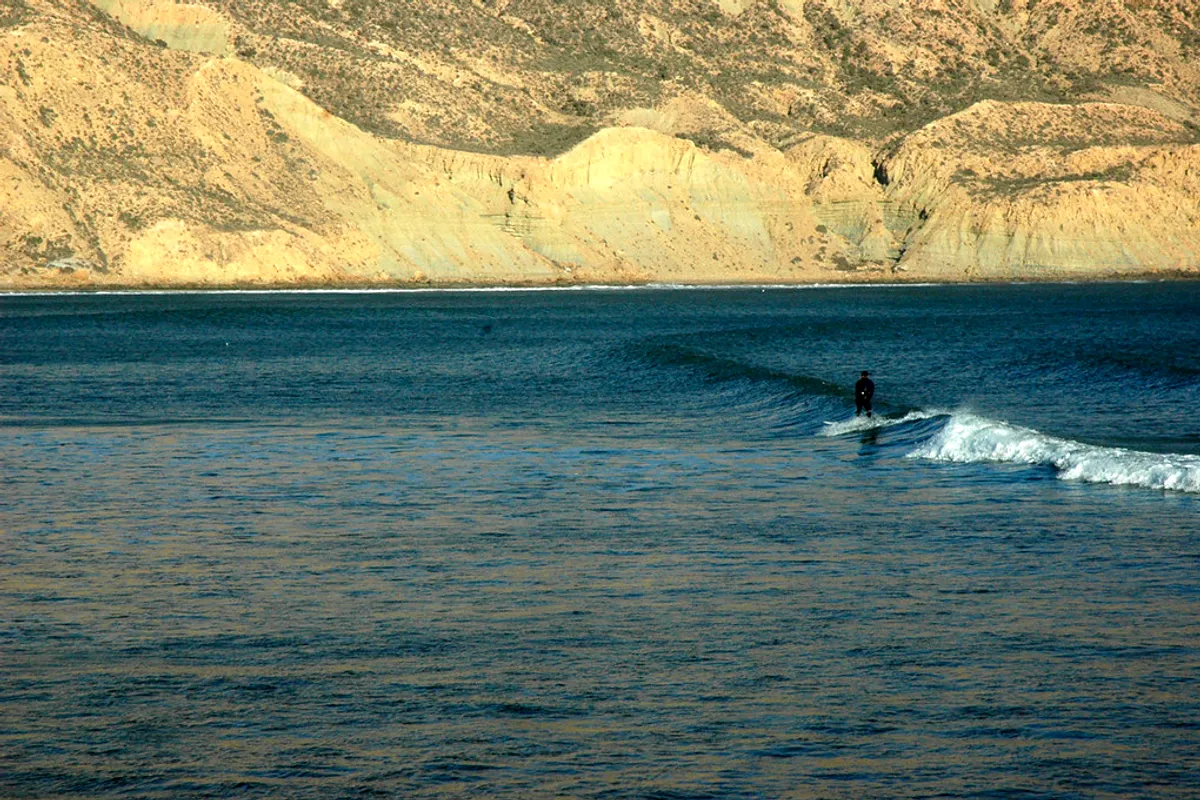
Recognised, publicly known surf spots around Dakar. Suitability depends on the day's swell, wind and tide, so treat the level as a guide, not a guarantee.
| Break | Type | Best for | Notes |
|---|---|---|---|
| Ngor Right | Right-hand reef | Intermediate–Advanced | Long, quality right on Ngor Island, reached by pirogue. Made famous by The Endless Summer; best on winter north-west swells. |
| Ngor Left | Left-hand reef | Intermediate–Advanced | Shorter, punchy left on the other side of Ngor Island. |
| Ouakam | Reef break | Advanced | Heavy right and a left near the seaside Ouakam mosque, breaking close to sharp rocks. |
| Virage | Reef break | Intermediate–Advanced | Reef on the western corniche that works on different swells and tides. |
| Yoff | Beach break | Beginner–Intermediate | Long sandy beach with fishing pirogues, used by surf schools on smaller days. |
| Almadies | Reef breaks | Intermediate–Advanced | Reefs around Africa's westernmost point that pick up swell from several directions. |
Surfing in a capital city
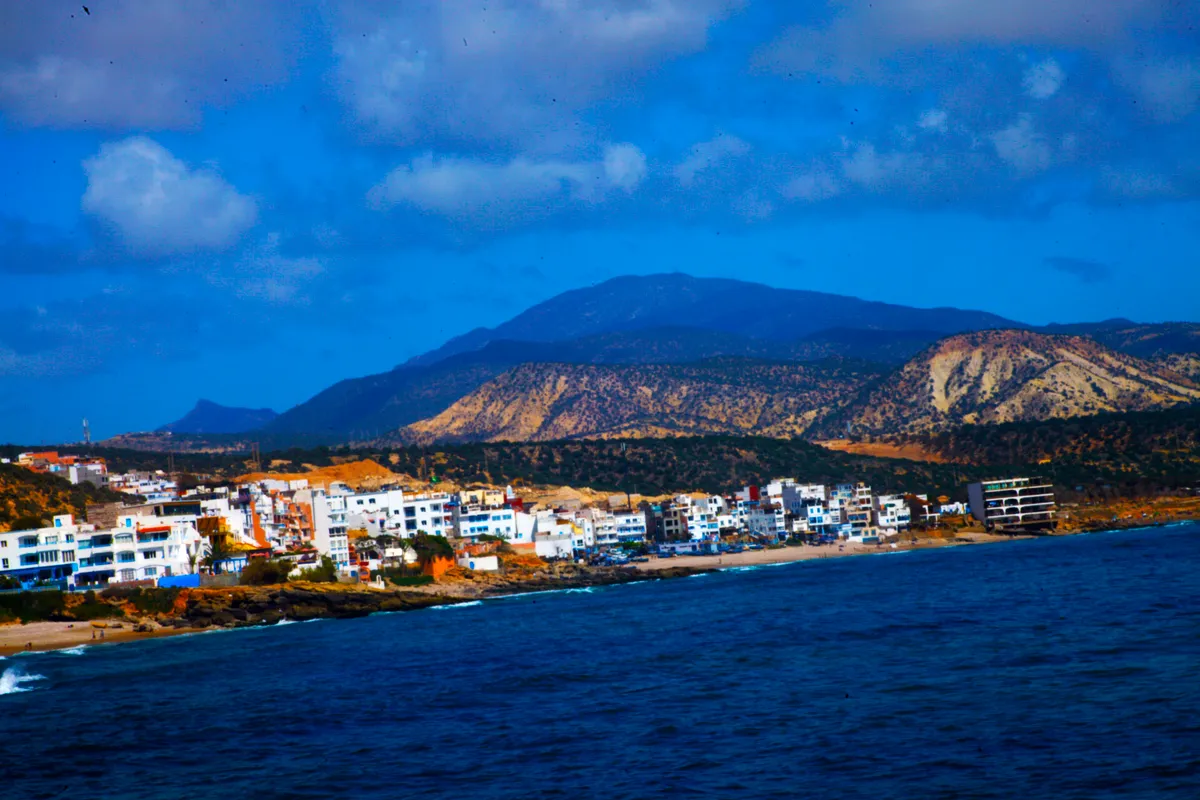
Dakar is a sprawling, energetic city of several million people, but its coastline is lined with surf breaks. The Cap-Vert peninsula, on which the city sits, pushes out into the Atlantic, and its shores face several directions. On any given day, at least one side is likely to have waves, and the city's surfers move between them by taxi, often checking a few spots before deciding where to paddle out.
That urban setting gives Dakar a unique atmosphere. Between sessions, you can explore busy markets, listen to mbalax music, eat grilled fish on the beach and visit some of West Africa's most important cultural sites. In the evenings, the sun sets into the Atlantic behind the city's western cliffs.
Ngor Right and Ngor Left
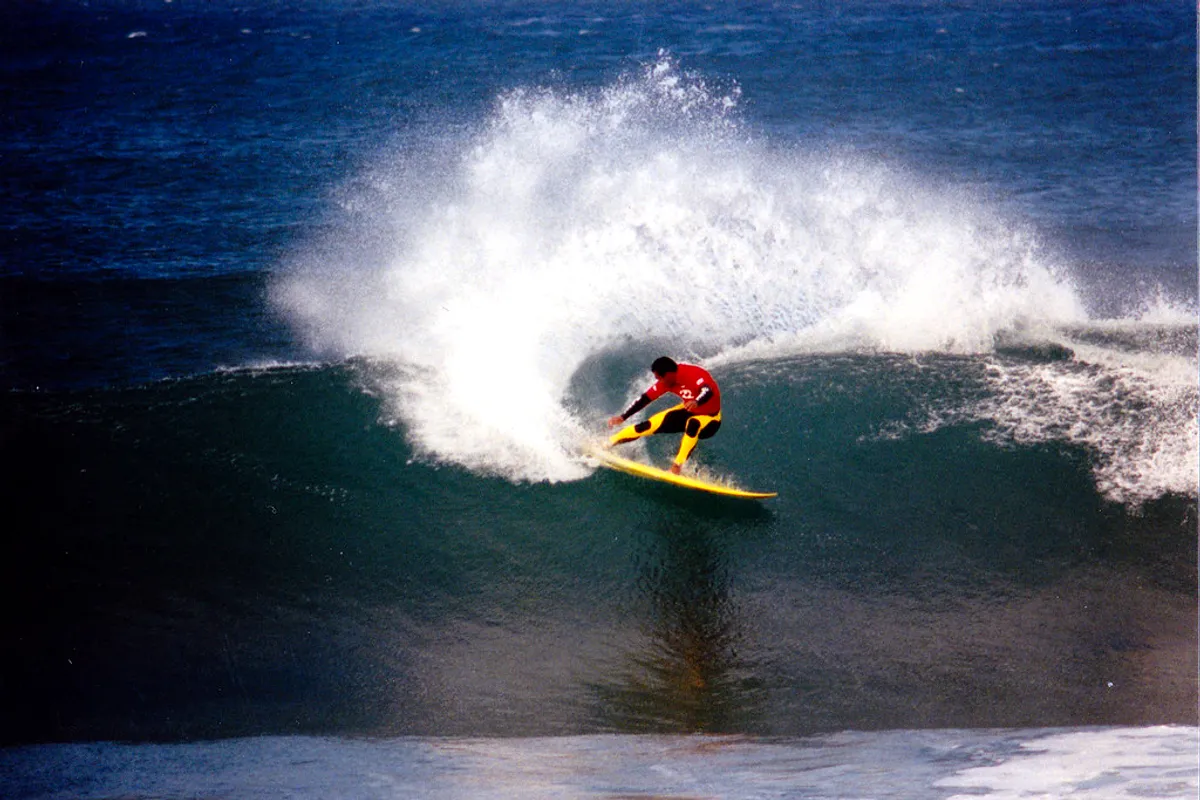
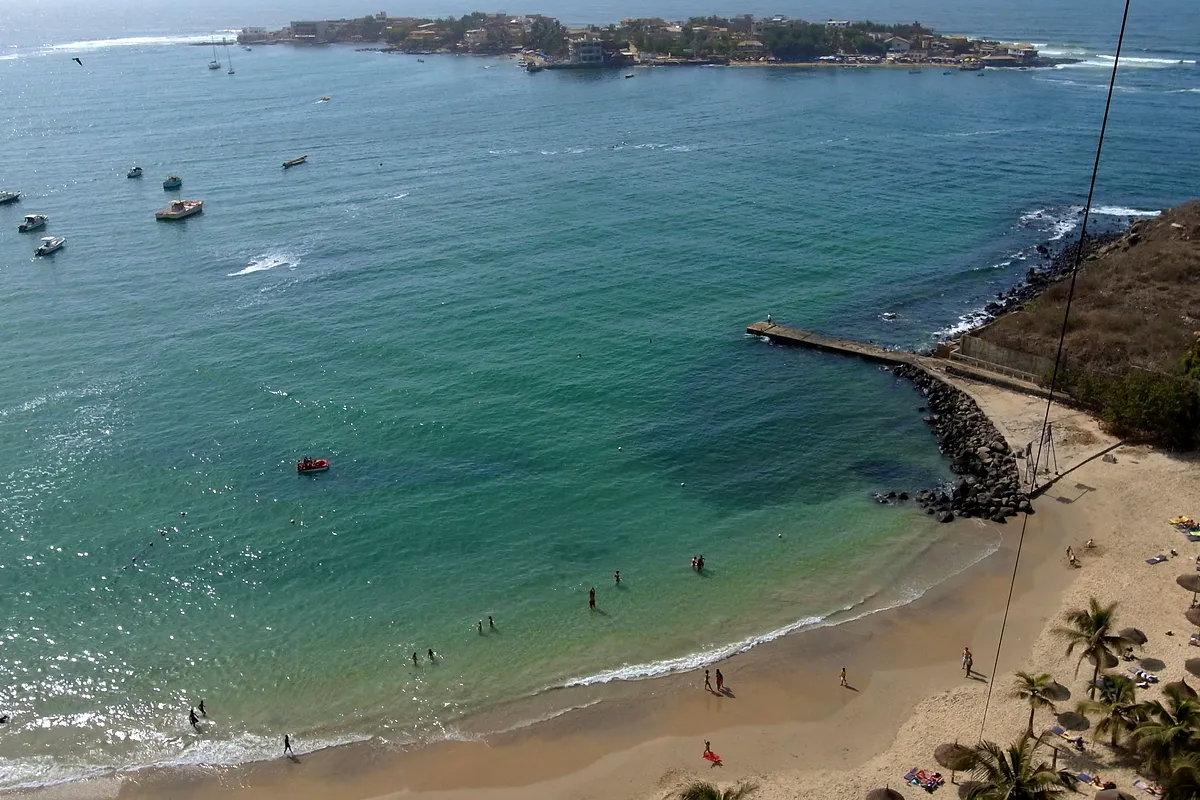
Ngor Island lies a few hundred metres off Ngor beach on the northern shore, reached by short pirogue rides. On its north-western side, Ngor Right is a long, quality right-hand reef break that comes alive on winter north-west swells, producing long walls and occasional hollow sections over volcanic rock. It was famously surfed in The Endless Summer in 1966 and remains Dakar's best-known wave.
Ngor Left, on the island's other side, is a shorter, punchy left-hand reef. Both waves suit intermediate and advanced surfers and can be crowded on good days. The island itself is car-free, with small guesthouses, restaurants and a relaxed pace.
Ouakam and the western reefs
On Dakar's western coast, below the cliffs near the Ouakam mosque, a series of reef breaks produce powerful waves. Ouakam is known for a heavy right-hand reef that breaks close to the rocks, best for experienced surfers, along with a left. The mosque, with its minarets right by the sea, creates one of the most striking backdrops in world surfing.
Other reefs along the western corniche, including a spot known as Virage, work on different swells and tides. Local knowledge is valuable, as some breaks are shallow and the rocks are sharp.
Yoff and the beginner beaches
Yoff, on the northern shore east of Ngor, is a long sandy beach with beach breaks that suit beginners and improvers. Colourful fishing pirogues line parts of the beach, and Yoff is home to the Layène community, one of Senegal's Sufi brotherhoods. Surf schools use Yoff and other sandy spots for lessons, depending on the swell.
On bigger days, Yoff can become powerful, with strong currents, so check with schools or local surfers before paddling out.
The Almadies and Africa's westernmost point
The Almadies area, at the western tip of the peninsula, is the westernmost point of mainland Africa. It has several reef breaks that pick up swell from different directions, along with upmarket hotels, restaurants and nightlife. The point itself is marked by rocks and a lighthouse nearby, and it is a popular spot to watch the sunset.
Seasons, swell and water temperature
From roughly October to April, North Atlantic swells reach the northern shore, bringing the best conditions to Ngor, Yoff and the Almadies. This is the dry season, with sunny weather and the Harmattan wind sometimes bringing dusty haze from the Sahara. From January to April, upwelling can cool the water to around 18–20°C, so a 3/2 wetsuit is common.
From June to September, South Atlantic swells reach the southern shore, and the water warms to the high twenties. This is the rainy season, with humid heat. October and May are transitional months.
Surf camps and where to stay
Many surfers stay in surf camps or guesthouses around Ngor, Yoff and the Almadies, which offer packages including accommodation, meals, lessons or guiding and transport to the best spot each day. Ngor Island itself has a few guesthouses for a quieter, car-free stay. Central Dakar, on the southern end of the peninsula, has more hotels and is closer to the ferry to Gorée.
Book ahead in the main winter season, when European surfers visit.
Getting there and getting around
Blaise Diagne International Airport is about an hour from central Dakar and the northern beaches, depending on traffic. Many surf camps arrange airport transfers. In the city, taxis are the easiest way to get around; agree the fare before setting off. Traffic can be heavy at peak times.
Pirogues to Ngor Island leave from Ngor beach throughout the day for a small fare.
Safety, health and etiquette
Take normal precautions with valuables in the city and on beaches. Consult a travel health clinic about vaccinations and malaria prevention before your trip, and drink bottled or filtered water.
Senegal is predominantly Muslim, so dress modestly away from the beach and ask before photographing people. In the water, sharp reefs and sea urchins are common, so booties help. Respect local surfers, wait your turn and avoid dropping in.
Gorée, markets and flat days
Gorée Island, a short ferry ride from Dakar's port, is a UNESCO World Heritage Site and a moving memorial to the Atlantic slave trade, with the House of Slaves museum and colourful colonial architecture. The African Renaissance Monument, a huge bronze statue on a hill near Ouakam, offers views over the city. Dakar's markets, such as Sandaga and Kermel, and its live music scene are worth exploring, and Lake Retba, known as the Pink Lake, is about an hour away.
Food in Dakar
Dakar's food scene is a highlight. Try thieboudienne, the national dish of fish, rice and vegetables, yassa, marinated chicken or fish with onions and lemon, and dibi, grilled lamb. On the beaches, grilled fish fresh from the pirogues is served at simple restaurants. Attaya, sweet mint tea served in three rounds, is a social ritual.
Dakar surf season month by month
A broad planning picture, not a forecast. Swell, wind and water temperature vary from year to year.
| January | Prime winter season on the northern shore, with consistent swells at Ngor. Upwelling cools the water to around 18–20°C; a 3/2. |
|---|---|
| February | Consistent north-west swells and dry, sunny weather. Harmattan haze possible. |
| March | Still good swells and cool water. A great month for intermediates. |
| April | Swells start to ease late in the month; water still cool. |
| May | Transition month, with smaller swells and warming water. |
| June | South swells begin to reach the southern shore; the rainy season starts. |
| July | Warm water and south swells on the southern side of the peninsula. |
| August | Humid and rainy, with south swells and water in the high twenties. |
| September | Still warm, with south swells and occasional storms. |
| October | Transition month as north swells return to the northern shore. |
| November | The winter season begins, with consistent north swells and warm water. |
| December | Consistent swells at Ngor and the Almadies, with dry weather. |
Learning to surf in Dakar
Dakar has several surf schools and camps that teach beginners at Yoff and other sandy beaches chosen for the day's conditions. Lessons usually include soft-top boards and, in the cooler months, wetsuits. Because the peninsula faces several directions, schools can often find gentle waves somewhere.
Ask about group sizes, instructor qualifications and transport between spots. Ngor Right, Ouakam and other reefs are for more experienced surfers.
Comparing options across the country? Read our guide to surfing in Senegal.
Seasonal notes on this page describe typical patterns, not the conditions on a given day. Use the local forecast, lifeguard advice and a qualified instructor for water-safety decisions, and get a written breakdown of what any surf package includes before paying.
Dakar surf trip questions
When is the best time to surf Dakar?
October to April brings consistent north swells to Ngor and the northern shore. June to September brings south swells to the southern shore, with warmer water.
Is Dakar good for beginners?
Yes. Yoff and other sandy beaches suit beginners, and several surf schools operate around the city.
How do I get to Ngor Island?
By pirogue, a small wooden boat, from Ngor beach. The crossing takes a few minutes.
Do I need a wetsuit in Dakar?
From about January to April, a 3/2 wetsuit is common because upwelling cools the water. In summer, boardshorts are enough.
What is Ngor Right?
A long right-hand reef break on Ngor Island, featured in The Endless Summer in 1966 and still Dakar's best-known wave.
Is Dakar safe for surfers?
Take normal city precautions with valuables, and check your government's travel advice. Many surfers visit without problems.
What else is there to do in Dakar?
Visit Gorée Island, the African Renaissance Monument, the city's markets and live music venues, or Lake Retba, the Pink Lake.
Can I stay on Ngor Island?
Yes. Ngor Island has a few guesthouses and restaurants, offering a quiet, car-free base close to Ngor Right and Ngor Left.
What is the Harmattan?
A dry, dusty wind that blows from the Sahara across West Africa in the dry season, sometimes bringing haze to Dakar between December and March.
Sources & editorial notes
Destination context checked against the sources below. Base-selection and itinerary suggestions are Book & Surf editorial recommendations. Seasonal windows are broad planning suggestions, not measured forecasts or guarantees.
We do not claim to have personally surfed every break. Read our editorial standards.