A peninsula that catches every swell
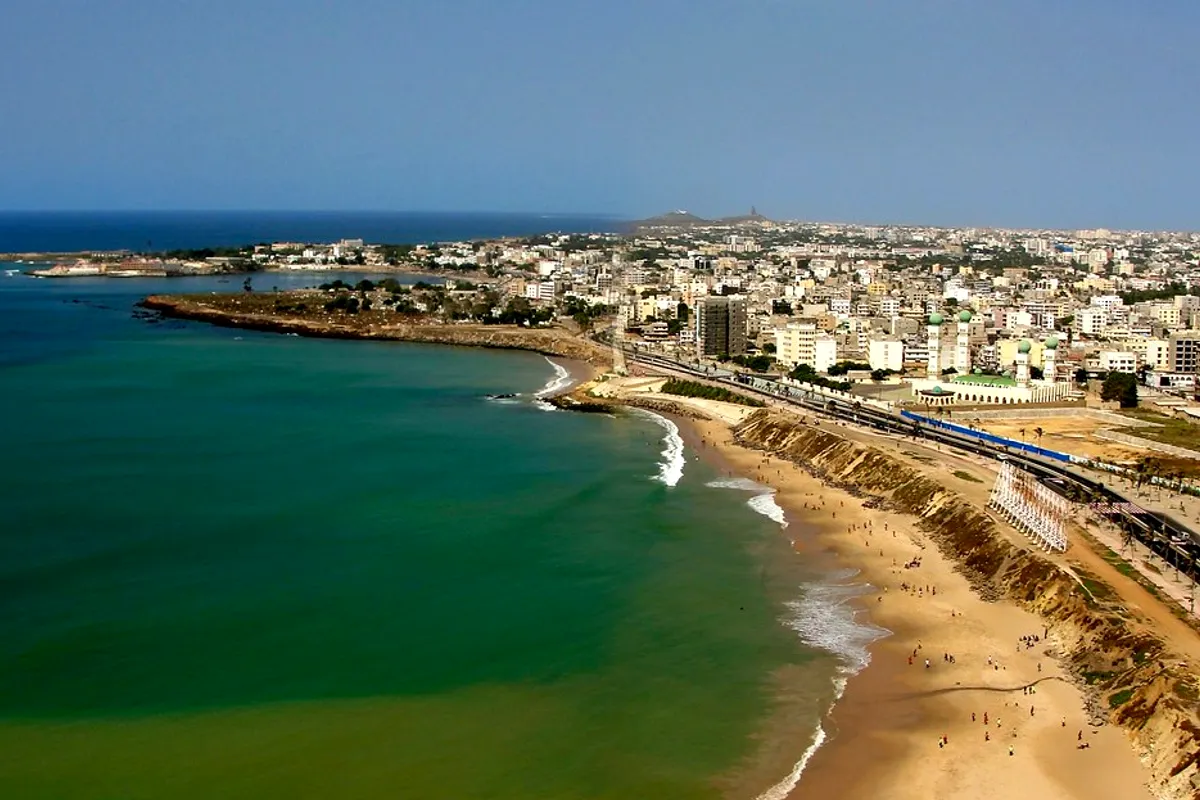
Dakar occupies the Cap-Vert peninsula, a hook of land that juts into the Atlantic from the coast of West Africa. Its northern shore faces north and north-west, catching winter swells from North Atlantic storms, while its southern shore faces south and south-west, catching swells from the South Atlantic in the northern summer. Within a short drive, there are waves on almost every day of the year.
The coastline is a mix of volcanic rock reefs, points and sandy beaches. The city's urban setting is unusual for a surf destination: many breaks are a short taxi ride from busy neighbourhoods, markets and restaurants, and you can surf in the morning and explore one of West Africa's most vibrant cities in the afternoon.
The Endless Summer and Ngor
Senegal holds a special place in surf history. In the 1966 film The Endless Summer, the surfers Mike Hynson and Robert August rode waves at Ngor Island, just off Dakar's northern shore, among the first scenes of their round-the-world search for the perfect wave. Ngor Right, a right-hand reef break on the island, remains one of Senegal's best-known waves.
Since then, a local surf community has grown, with Senegalese surfers competing in African championships and surf schools and camps opening around Dakar. The country has become a hub for surfing in West Africa.
Ngor Island in detail
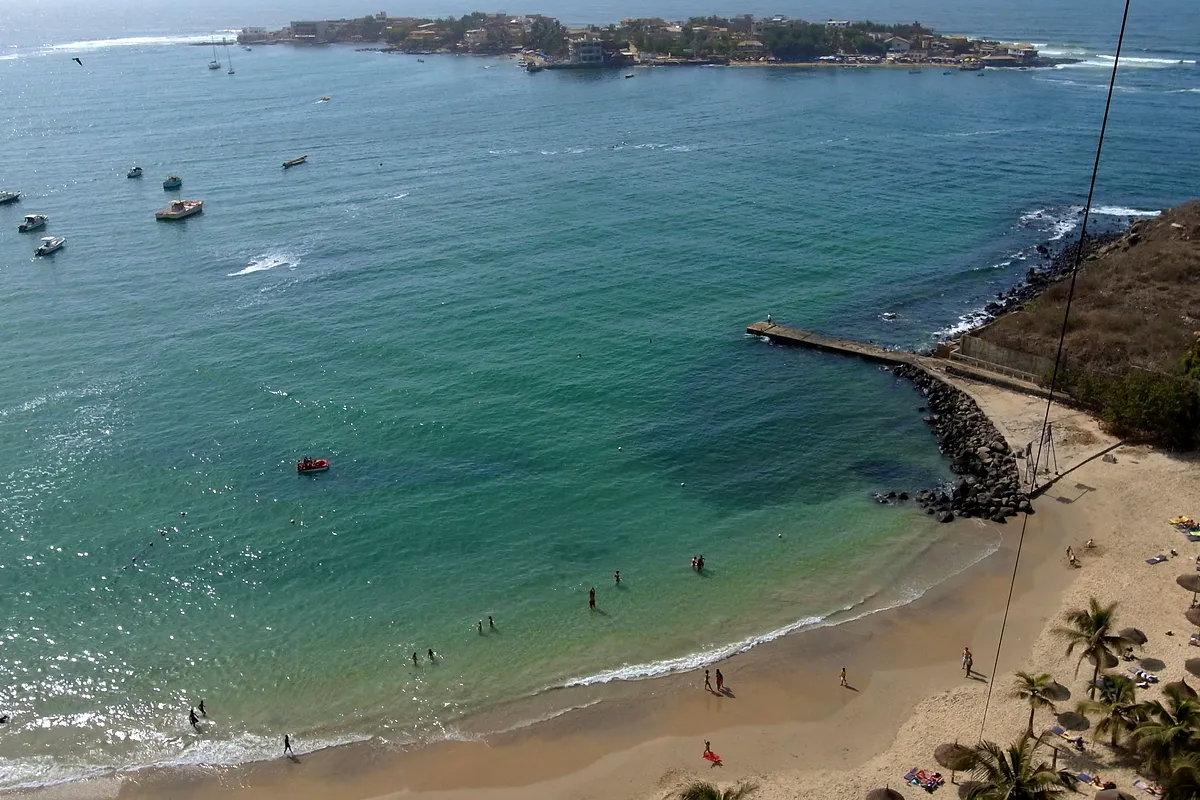
Ngor Island is a small, car-free island a few hundred metres off Ngor beach, with a fishing village, a handful of guesthouses and restaurants, and two famous waves. Ngor Right breaks along the island's north-western reef, producing long right-handers on winter north-west swells, while Ngor Left offers a shorter, punchier wave on the other side. Pirogues shuttle visitors across from the mainland throughout the day.
On a good day, the line-up at Ngor Right includes local Senegalese surfers, expats and visitors from Europe. Sharp volcanic rock and sea urchins make booties a good idea, and the wave is best suited to intermediate and advanced surfers. Staying on the island offers a quiet base with the waves on your doorstep.
Senegal's surf calendar
From roughly October to April, North Atlantic swells reach the northern shore, bringing the best conditions to Ngor and the north coast. This is also the dry season, with sunny days, little rain and cooler water, as upwelling along the coast can make the sea surprisingly chilly from January to March.
From roughly June to September, swells from the South Atlantic reach the southern shore, and the water is warm. This is the rainy season, with humid heat and occasional storms. The shoulder months can offer waves on both sides of the peninsula.
Water temperature and wetsuits
Many visitors are surprised by how cool the water can be in Dakar in winter. The Canary Current and seasonal upwelling bring cold water to the coast, and from about January to April, temperatures can fall to around 18–20°C, so a 3/2 wetsuit is common. From about June to October, the water warms to the high twenties, and boardshorts are enough.
Upwelling and the cool season
Many visitors are surprised to find that Dakar, in tropical West Africa, can have cool water. From roughly December to April, trade winds blowing along the coast push surface water offshore, and colder water from the depths rises to replace it. This upwelling, linked to the Canary Current, can drop sea temperatures to around 18–20°C, much cooler than the air.
Upwelling also brings nutrients that support rich fisheries, which is why fishing pirogues are such a common sight on Dakar's beaches. For surfers, it means a 3/2 wetsuit is useful in winter, while summer brings much warmer water.
Getting there and around
Blaise Diagne International Airport, about an hour east of central Dakar, has flights from Europe, the Middle East, the Americas and across Africa. Taxis and shuttles connect the airport with the city, and many surf camps arrange pick-ups.
In Dakar, taxis are the easiest way to get between surf spots; agree the fare before setting off. To reach Ngor Island, small wooden boats called pirogues shuttle passengers across from Ngor beach in a few minutes.
Teranga, culture and etiquette
Senegal is known for teranga, a Wolof word for hospitality, and visitors are generally made to feel welcome. The country is predominantly Muslim, with strong Sufi brotherhoods, and religious customs shape daily life. Dress modestly away from the beach, ask before photographing people and be aware of local customs during Ramadan.
In the water, Dakar's local surfers are part of a close community. Respect them, wait your turn and avoid dropping in.
Senegalese surf culture
Surfing in Senegal has grown from a handful of pioneers into a vibrant community. Local surfers learned on Dakar's reefs and beaches, and today Senegalese surfers compete in African and international events, while surf clubs and schools introduce young people to the sport. Women's surfing has also grown, with Senegalese female surfers gaining international recognition.
Many surf camps employ local instructors and guides, and supporting these businesses helps the community grow. Respect in the water, patience and friendliness go a long way.
Safety and health
Dakar is a large city, and normal precautions apply, particularly with valuables. Check your government's travel advice before travelling, and consult a travel health clinic about vaccinations and malaria prevention, as malaria is present in Senegal.
In the water, sharp volcanic reefs and sea urchins are common hazards, so booties are useful at many breaks. Water quality near some urban beaches can be poor after heavy rain.
Food, music and flat days
Senegalese food is one of West Africa's great cuisines. Try thieboudienne, the national dish of fish and rice cooked with vegetables, yassa, chicken or fish marinated in lemon and onions, and fresh grilled fish on the beach. Mint tea, called attaya, is a social ritual.
On flat days, take the ferry to Gorée Island, a UNESCO World Heritage Site and a powerful memorial to the Atlantic slave trade, visit the African Renaissance Monument, explore the markets and live music of Dakar or travel to the pink waters of Lake Retba.
Money and practicalities
Senegal uses the West African CFA franc. ATMs are widely available in Dakar but less so in rural areas, and cash is needed for taxis, markets and small purchases. French is the official language, with Wolof widely spoken; a few words of either are appreciated, and English is spoken in tourist areas and surf camps.
Planning a Senegal surf trip
Most surf trips to Senegal are based in Dakar, around Ngor, Yoff or Ouakam, with surf camps offering packages including accommodation, meals and transport to the best spot each day. A week allows time to surf several breaks and explore the city. Adventurous surfers can travel south to the Petite Côte or to Casamance, near the border with Guinea-Bissau, for quieter beaches.
Surf regions of Senegal
Dakar's northern shore: Ngor and Yoff
Dakar's northern shore faces winter swells and includes Ngor Island, with its right- and left-hand reef breaks reached by pirogue, and the beach at Yoff, a long sandy stretch with beach breaks that suit beginners. The Almadies area, the westernmost point of mainland Africa, has more reefs nearby.
Known for: Dakar, Ngor Right, Ngor Left, Yoff, Almadies
Ouakam and the west coast
On Dakar's western edge, Ouakam has powerful reef breaks near the city's distinctive seaside mosque, attracting experienced surfers. Other reefs and points along the corniche work on different swells and tides.
Known for: Ouakam, Virage
Dakar's southern shore
The southern side of the peninsula picks up South Atlantic swells in the northern summer, with beach and reef breaks along the corniche and around the city's southern districts. These spots come alive when the north side is flat.
Known for: Corniche reefs
The Petite Côte
South of Dakar, the Petite Côte has long sandy beaches and fishing villages, including Toubab Dialaw, known for its artistic community and occasional surf. The area is more sheltered and better known for beaches and relaxation than consistent waves.
Known for: Toubab Dialaw
Casamance
In the far south, the Casamance region, around Cap Skirring, has palm-lined beaches and a slower pace. Surf is occasional, and the region's lush landscapes and culture are the main draw. Check travel advice for the region before visiting.
Known for: Cap Skirring
Saint-Louis and the north
In the north, near the border with Mauritania, the historic city of Saint-Louis, a UNESCO World Heritage Site, sits on an island at the mouth of the Senegal River. The coast here is exposed and sees occasional surf, but it is better known for its colonial architecture, music festival and birdlife in nearby national parks.
Known for: Saint-Louis
Learning to surf in Senegal
Dakar has several surf schools and camps, many based around Ngor and Yoff. Beginners usually learn at Yoff and other sandy beaches chosen for the day, while the reefs at Ngor and Ouakam suit more experienced surfers. Lessons include soft-top boards and, in winter, wetsuits.
Ask schools about group sizes, instructor qualifications and which beaches they use. The peninsula's variety means a good school can usually find gentle waves somewhere.
Surfing in Senegal: questions
When is the best time to surf in Senegal?
October to April brings swells to Dakar's northern shore, including Ngor. June to September brings swells to the southern shore, with warmer water.
Was Senegal in The Endless Summer?
Yes. The 1966 film featured surfers riding waves at Ngor Island, off Dakar, among the first scenes of their journey.
Is Dakar good for beginners?
Yes. Yoff and other sandy beaches suit beginners, and several surf schools operate around the city.
Do I need a wetsuit in Dakar?
From about January to April, upwelling can cool the water to around 18–20°C, so a 3/2 is common. In summer, boardshorts are enough.
How do I get to Ngor Island?
Small wooden boats called pirogues shuttle passengers from Ngor beach to the island in a few minutes.
What language is spoken in Senegal?
French is the official language, and Wolof is widely spoken. English is spoken in surf camps and some tourist areas.
Is malaria a risk in Senegal?
Yes. Consult a travel health clinic about malaria prevention and vaccinations before you go.
What currency is used in Senegal?
The West African CFA franc, shared with several neighbouring countries. Cash is needed for taxis, markets and small purchases.
Can I surf in Senegal in summer?
Yes. From about June to September, swells reach Dakar's southern shore, and the water is warm, though it is also the rainy season.
Is Senegal expensive for a surf trip?
Senegal can be good value, especially for food and local transport, though surf camps and hotels in Dakar vary widely in price.
Can women surf comfortably in Senegal?
Yes. Many women surf in Dakar, and surf camps welcome female travellers. Dress modestly away from the beach out of respect for local customs.
Sources & editorial notes
Country context checked against the sources below. Regional summaries are Book & Surf editorial planning suggestions, not forecasts or safety assessments.