Why surf in South Africa
South Africa sits at the meeting point of the Atlantic and Indian Oceans, exposed to powerful swells generated by storms in the Southern Ocean. Its long coastline faces west, south and east, so there is usually a wave somewhere. The country has a deep surf culture, world champions, legendary waves and a wide range of conditions, from cold-water reefs and big-wave spots near Cape Town to warm, consistent beach breaks around Durban.
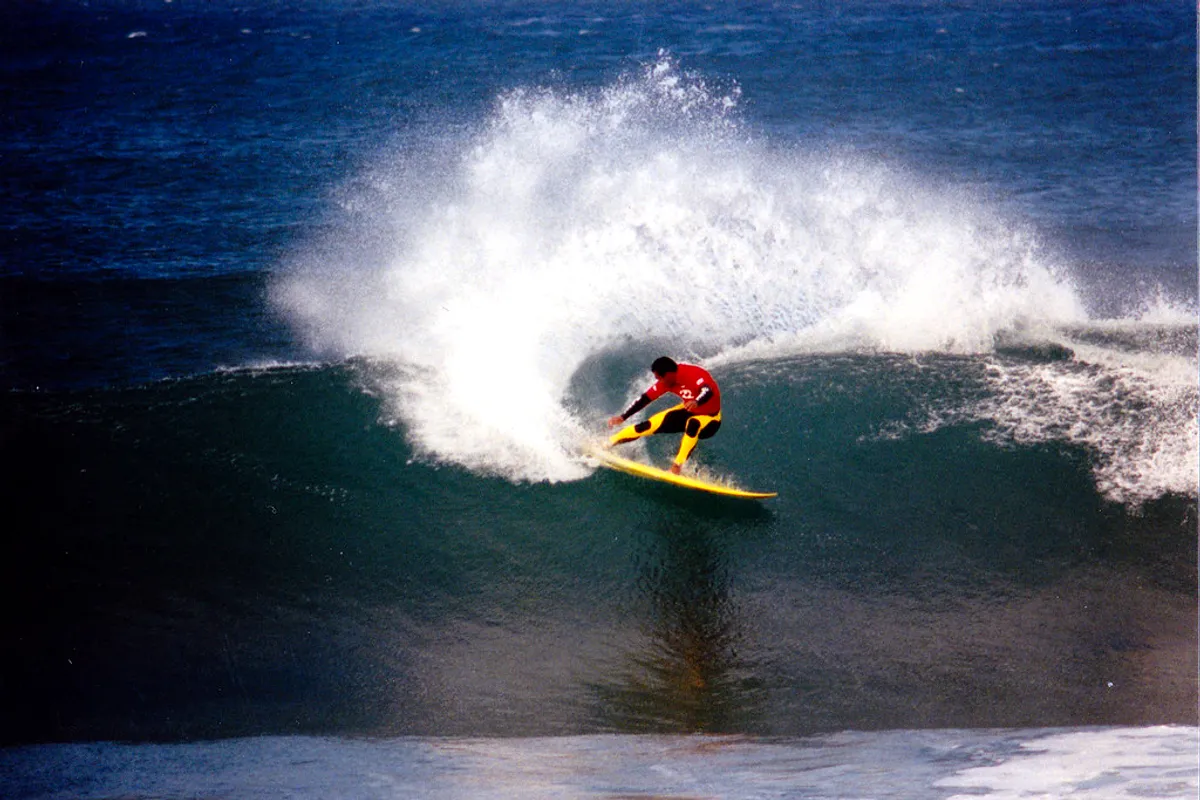
The most famous wave is Supertubes at Jeffreys Bay, a long, fast right-hand point that is regarded as one of the best waves in the world and hosts an elite professional contest. Cape St Francis nearby became famous through the film The Endless Summer. Add spectacular landscapes, wildlife, wine regions and good value for many visitors, and South Africa is a world-class surf destination.
A short history of South African surfing
Surfing in South Africa took off in the mid-twentieth century, with Durban and Cape Town developing early surf communities. The 1966 film The Endless Summer brought international attention when it featured the waves at Cape St Francis, inspiring surfers worldwide to travel to South Africa. Jeffreys Bay was discovered by travelling surfers around the same time and soon became one of the world's most famous waves.
South Africa went on to produce world champions and a strong professional surf culture, along with a thriving surfboard and surfwear industry. Durban's beaches hosted major contests for decades, and Jeffreys Bay remains a fixture on the professional circuit. Today, surfing is popular across the coast, with community programmes introducing young people from many backgrounds to the ocean.
When to go surfing in South Africa
The best surf generally comes in the Southern Hemisphere winter, from roughly April to September, when powerful Southern Ocean storms send consistent groundswell to the coast. This is the prime season for Jeffreys Bay, Cape Town and the Garden Route, often with favourable offshore winds.
Summer, from roughly October to March, brings smaller swells and stronger winds on parts of the coast, particularly the south-easterly wind in Cape Town. Durban and the KwaZulu-Natal coast receive swell year-round, with warm water, making it a good summer option.
How cold is the water in South Africa?
Water temperatures vary dramatically around the coast. Cape Town's Atlantic side is cooled by the Benguela Current and can be very cold, often in the low teens Celsius or colder, requiring a 4/3 or 5/4 wetsuit and sometimes boots. False Bay, on Cape Town's eastern side, is a little warmer. Jeffreys Bay and the Garden Route are cool to mild, typically requiring a 3/2 or 4/3. Durban and KwaZulu-Natal are warmed by the Agulhas Current, with water in the low to mid twenties, so boardshorts or a light wetsuit are often enough.
Community surf programmes
Surfing in South Africa has a strong community dimension. Organisations in Cape Town, Durban and the Eastern Cape run programmes that introduce young people from disadvantaged communities to surfing, combining time in the water with mentoring, education and ocean safety. These programmes have helped diversify the sport and given many young surfers new opportunities.
Visitors can support this work by choosing surf schools that are involved in community projects, donating equipment or supporting local events. Surfing has also played a part in conservation, with surfers advocating for clean beaches and the protection of marine environments around the coast.
Sharks and safety
Sharks are part of South Africa's marine environment, and the country has had serious incidents. Safety measures vary by region. In Cape Town, the Shark Spotters programme posts spotters on high ground at popular beaches who raise flags and sound sirens when sharks are seen. On the KwaZulu-Natal coast, shark nets and drumlines protect many bathing beaches. In other areas, such as Jeffreys Bay, surfers rely on local knowledge and awareness.
Follow local advice: avoid surfing at dawn and dusk in murky water, near river mouths after rain, near fishing activity or seal colonies, and alone. Respect beach closures and shark warnings. Also take normal travel precautions on land, such as not leaving valuables in cars.
Flights, roads and ferries in South Africa
Cape Town, Johannesburg and Durban have international airports. Gqeberha (formerly Port Elizabeth) is the nearest airport to Jeffreys Bay, about an hour away. Domestic flights connect the main cities.
A rental car is the best way to explore the coast, especially the Garden Route between Cape Town and Jeffreys Bay. Distances are large, so plan your route. Avoid driving at night where possible and follow local safety advice.
Culture, wildlife and flat days
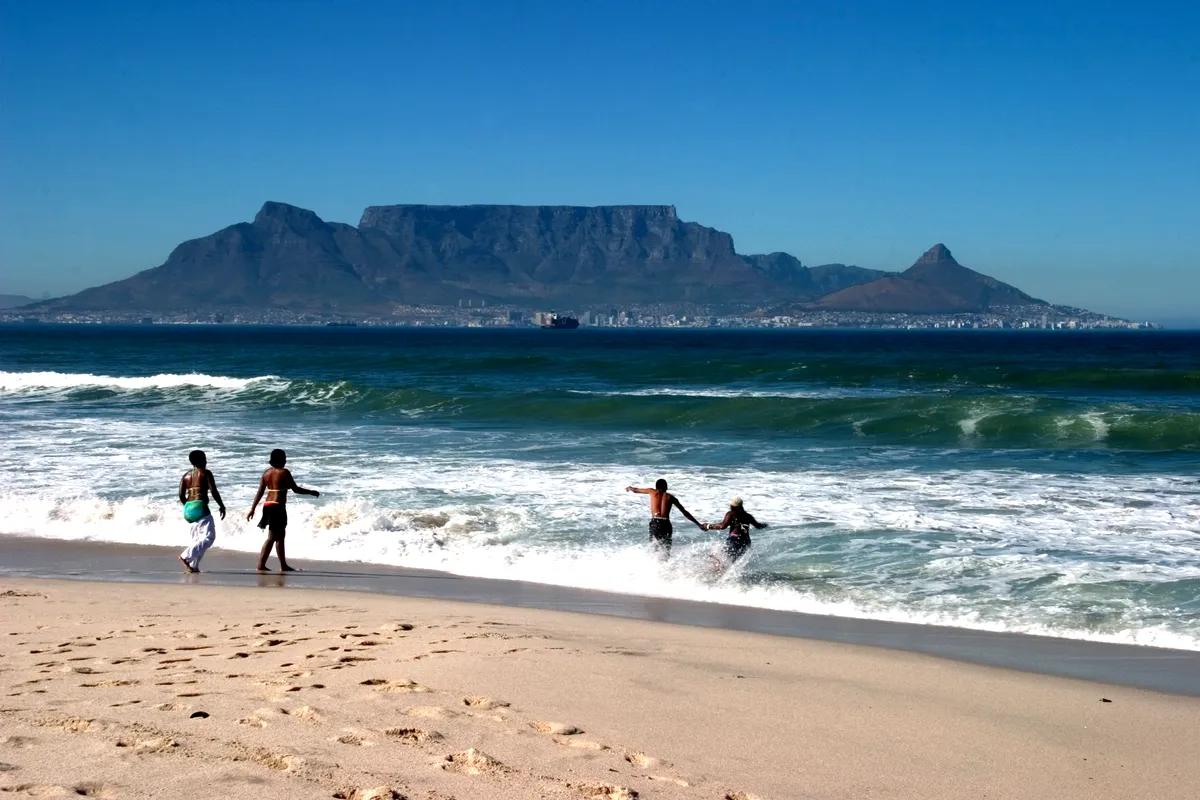
South Africa offers far more than waves. Cape Town has Table Mountain, the Cape Peninsula, penguins at Boulders Beach and the Winelands nearby. The Garden Route has forests, lagoons and hiking trails. Safari parks such as the Addo Elephant National Park are within reach of Jeffreys Bay, and the Kruger National Park is a flight away.
South African food, from braais to bunny chow in Durban, is part of the experience.
The Garden Route road trip
Driving the Garden Route between Cape Town and Jeffreys Bay is one of the classic surf road trips in the world. The route passes Mossel Bay, with its reef breaks, Victoria Bay's small right-hand point, the lakes and forests around Wilderness and Knysna and the beaches of Plettenberg Bay, before reaching Jeffreys Bay.
The drive takes several hours without stops, but most surfers spend a week or more, surfing along the way and enjoying the scenery, wildlife and food. Winter brings the best swell, though some days will be cold and wet. Plan accommodation in advance during South African school holidays, and avoid driving at night.
Planning a South Africa surf trip
A classic South African surf trip combines Cape Town and Jeffreys Bay, driving the Garden Route between them and surfing along the way. Winter offers the best chance of good waves. Beginners can learn in Muizenberg in Cape Town, in Jeffreys Bay's beginner areas or in Durban, while experienced surfers chase Supertubes, the Cape reefs and big-wave spots.
Surf regions of South Africa
Jeffreys Bay and the Eastern Cape
Jeffreys Bay is home to Supertubes, one of the world's best right-hand point breaks, along with other sections of the point such as Boneyards, Impossibles and The Point. Nearby, Cape St Francis has Bruce's Beauties, made famous by The Endless Summer. Further east, East London's Nahoon Reef is a quality right-hand reef.
Known for: Jeffreys Bay, Supertubes, Cape St Francis, Nahoon Reef
Cape Town and the Western Cape
Cape Town has a wide range of waves on both sides of the Cape Peninsula. Muizenberg, on False Bay, is a famous beginner beach with gentle waves and many surf schools. Long Beach in Kommetjie, Llandudno and Big Bay offer beach breaks for intermediates, while Dungeons, off Hout Bay, is a big-wave spot for experts. Further north, Elands Bay has a long left-hand point.
Known for: Muizenberg, Long Beach, Llandudno, Big Bay, Dungeons, Elands Bay
The Garden Route
Between Cape Town and Jeffreys Bay, the Garden Route has beaches, points and reefs. Mossel Bay's Inner Pool and Outer Pool are popular reef breaks, Victoria Bay near George is a small cove with a right-hand point, and Plettenberg Bay has beaches suitable for all levels.
Known for: Mossel Bay, Victoria Bay, Plettenberg Bay
The Wild Coast
The Wild Coast, in the Eastern Cape, is a remote, rugged stretch of coastline with empty beaches, river mouths and point breaks. Access can be difficult and facilities are limited, but adventurous surfers find uncrowded waves. Coffee Bay and Mdumbi are popular bases.
Known for: Coffee Bay, Mdumbi
Durban and KwaZulu-Natal
Durban has warm water and consistent beach breaks along its Golden Mile, protected by piers and shark nets, with many surf schools. Cave Rock, south of the city, is a powerful reef break for experienced surfers. Further along the coast, towns such as Ballito and Scottburgh offer more options.
Known for: Durban, Cave Rock, Ballito, Scottburgh
Learning to surf in South Africa
Muizenberg in Cape Town is one of the most famous places in the world to learn to surf, with long, gentle waves, colourful beach huts and many surf schools. Durban's beaches also have surf schools and warm water. In Jeffreys Bay, schools teach at gentler spots away from Supertubes.
Cape Town's water is cold, so a thick wetsuit is essential; schools provide them. Ask about group size, instructor qualifications and shark safety measures, and follow local advice.
Surfing in South Africa: questions
When is the best time to surf in South Africa?
April to September, the Southern Hemisphere winter, brings the most consistent groundswell to Jeffreys Bay and Cape Town. Durban has surf year-round.
Where should beginners surf in South Africa?
Muizenberg in Cape Town is one of the world's best-known learning beaches. Durban and Jeffreys Bay also have surf schools.
Are sharks a risk for surfers in South Africa?
Sharks are present and incidents occur. Follow local safety measures such as Shark Spotters in Cape Town and shark nets in KwaZulu-Natal, and avoid surfing at dawn, dusk and near river mouths after rain.
How cold is the water in Cape Town?
Cape Town's Atlantic side is very cold, often in the low teens Celsius or colder, so a 4/3 or 5/4 wetsuit is needed. False Bay is a little warmer.
What is Supertubes?
Supertubes is the most famous section of the right-hand point at Jeffreys Bay, known for long, fast, hollow waves. It is one of the best waves in the world.
Is Durban good for surfing?
Yes. Durban has warm water, consistent beach breaks protected by piers and shark nets, and many surf schools.
Can I combine a surf trip with a safari in South Africa?
Yes. Addo Elephant National Park is about two hours from Jeffreys Bay, and many visitors fly to Kruger National Park or private reserves before or after a surf trip.
What is The Endless Summer?
The Endless Summer is a 1966 surf film that followed two surfers around the world and featured the waves at Cape St Francis, helping to make South African surf famous.
When is the best time to surf Durban?
Durban has surf all year, with warm water. Winter often brings more consistent swells, while summer can be good for learning on smaller days.
Is Cape Town good for surfing?
Yes. Cape Town has waves on both sides of the peninsula, from beginner-friendly Muizenberg to quality beach breaks and big-wave spots, though the Atlantic water is cold.
Do I need a car to surf in South Africa?
A car is the most practical way to explore the coast, especially between Cape Town and Jeffreys Bay. Avoid driving at night and keep valuables out of sight.
What wetsuit do I need for Jeffreys Bay?
A 3/2 or 4/3 wetsuit is common in winter at Jeffreys Bay, sometimes with boots, as upwelling can make the water colder than expected.
Sources & editorial notes
Country context checked against the sources below. Regional summaries are Book & Surf editorial planning suggestions, not forecasts or safety assessments.