Why surf in Morocco
Morocco's Atlantic coastline stretches for more than a thousand kilometres, facing west and north-west into the path of North Atlantic swells. In winter, while Europe's beaches are cold and stormy, Morocco enjoys sunshine and mild air temperatures, with consistent swell wrapping around rocky headlands. The result is a coast famous for long, peeling right-hand point breaks.
The country is close to Europe, with short, inexpensive flights from many cities, and its surf camps offer good value. Its culture, food and landscapes, from the souks of Marrakech to the Atlas Mountains, make a surf trip here much more than just waves. The most famous area is around Taghazout, north of Agadir, but there are good waves along much of the coast.
When to go surfing in Morocco
The main surf season runs from October to March. During these months, North Atlantic storms send regular north-west swells, and the point breaks come alive. December to February is usually the peak, with the most powerful swells and busiest line-ups. The weather is mostly sunny and mild, though mornings and evenings can be cool.
From April to September, swells are generally smaller and less consistent, and winds can be stronger, particularly in summer. This is a good time for beginners, with gentle waves and warm water. Late September and October bring the first autumn swells, along with the warmest water of the year.
Water temperature and what to pack
The water off Morocco is cooler than many people expect, because of the Canary Current. In winter, it is usually around 17–18°C in the Agadir area and cooler further north. A 3/2 or 4/3 wetsuit is common in winter, and a 3/2 or shorty in late summer and early autumn.
Pack layers for cool mornings and evenings, sun protection for strong winter sun, and modest clothing for towns and villages. Many surf camps provide boards and wetsuits. If you are travelling independently, bring reef booties for rocky entries at the point breaks.
Getting to and around Morocco
Agadir Al Massira airport is the closest to Taghazout and the southern surf coast, with flights from many European cities. Marrakech has more international connections and is a few hours' drive from the coast. Casablanca is the main hub for the north. Many surf camps include airport transfers.
Grand taxis and buses connect towns along the coast, but a rental car gives the most flexibility to chase swells. Driving in Morocco requires confidence, particularly in cities and at night, when roads can be poorly lit and shared with pedestrians and animals.
Beyond the surf: Marrakech, the Atlas and Paradise Valley
One of Morocco's strengths as a surf destination is everything else it offers. Paradise Valley, about an hour inland from Taghazout, is a palm-filled gorge in the foothills of the High Atlas with natural rock pools for swimming and cliff jumping. It is a classic flat-day trip and many surf camps run excursions there.
Marrakech, a few hours inland, is a popular addition to a surf trip, with its medina, souks, gardens and palaces. Many visitors fly into Marrakech, spend a couple of nights in the city and then travel to the coast. The Atlas Mountains, between Marrakech and the coast, offer hiking, Berber villages and dramatic landscapes, and in winter their peaks can be snow-capped while the coast enjoys sunshine.
On the coast, Agadir has a long beach promenade, a large souk and a hilltop kasbah with views over the bay. Essaouira, with its walled medina and fishing harbour, is a UNESCO World Heritage Site and makes a good stop on a road trip between Agadir and Marrakech. Moroccan food is a highlight everywhere: tagines, couscous, grilled fish, fresh orange juice and mint tea.
How to plan a week of surfing in Morocco
A typical week-long surf trip to Morocco is based in Taghazout or Tamraght, with daily sessions at the spot that best suits the swell, wind and your level. Most camps run two sessions a day or a longer morning session followed by rest. Beginners usually stick to sheltered beaches, while intermediates and advanced surfers move between the point breaks.
If you have more time, consider splitting your trip between Taghazout and Imsouane, or adding a few days in Marrakech or Essaouira. A rental car gives the most flexibility, but many camps offer day trips that remove the need to drive.
Book early for the Christmas and New Year period, and for European school holidays in February and around Easter, when surf camps fill up. Outside those times, last-minute bookings are often possible, especially in the shoulder months of October, November and March.
Ocean safety on the Moroccan coast
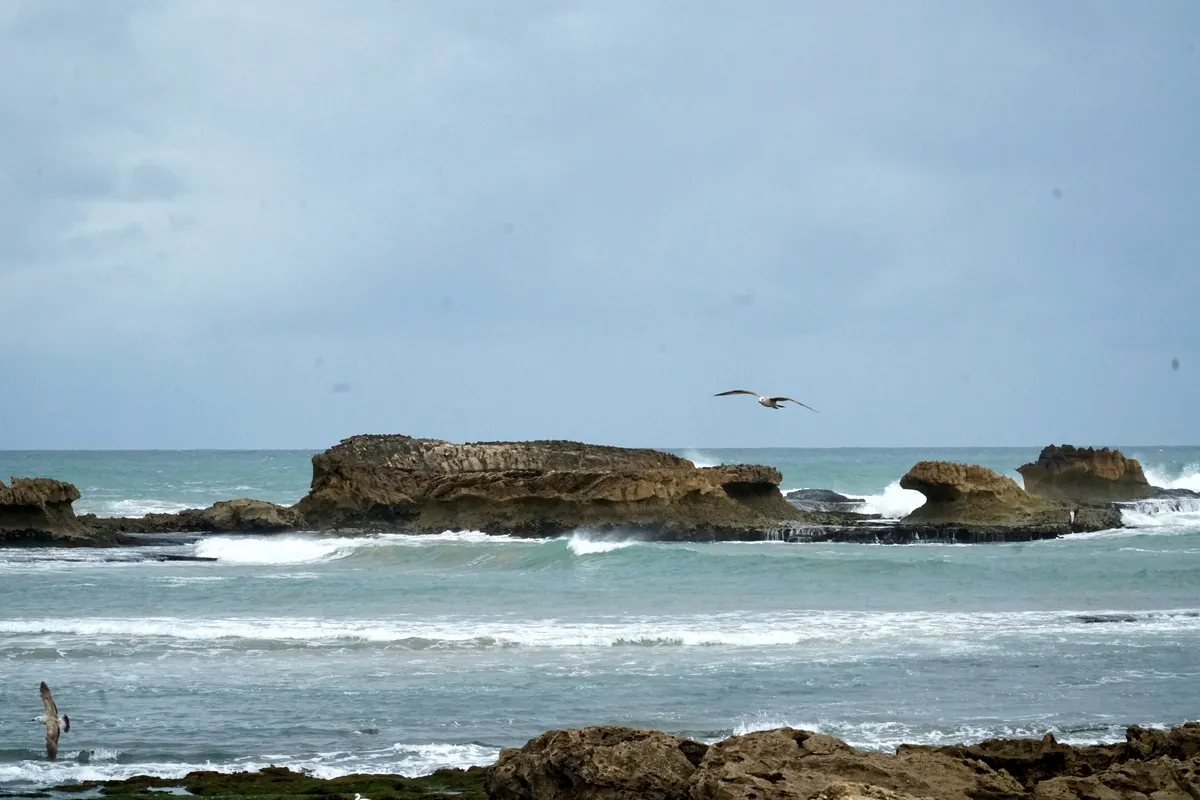
Morocco's point breaks are beautiful but come with hazards. Many involve rocky entries and exits, sea urchins on the rocks and strong currents that run along the points, especially on bigger swells. Watch how local surfers get in and out, wear reef booties if you are unsure and time your paddle-out between sets. If a current pulls you down the point, it is often easier to come in at the beach further down than to fight back.
Lifeguard coverage is limited outside the main town beaches in summer, so surf with others and tell someone where you are going. On beach breaks, rip currents are common: learn to recognise them and surf within your ability. Winter swells can be large and powerful, particularly at exposed spots such as Killer Point and Safi, which are only for experienced surfers.
The winter sun is strong even when the air feels cool, so use sunscreen and stay hydrated. Tap water is generally best avoided by visitors; drink bottled or filtered water.
Moroccan customs and the line-up
Morocco is a Muslim country, and local customs should be respected. Dress modestly away from the beach, especially in villages and towns, and ask before photographing people. During Ramadan, eating and drinking in public during daylight hours is best avoided out of respect.
In the water, Moroccan surfers are generally friendly, but popular point breaks can be crowded. Wait your turn, respect local surfers and avoid large groups swamping a peak. Support local businesses, from cafés to surf shops, and take your rubbish with you.
Surf regions of Morocco
Taghazout and the Agadir coast
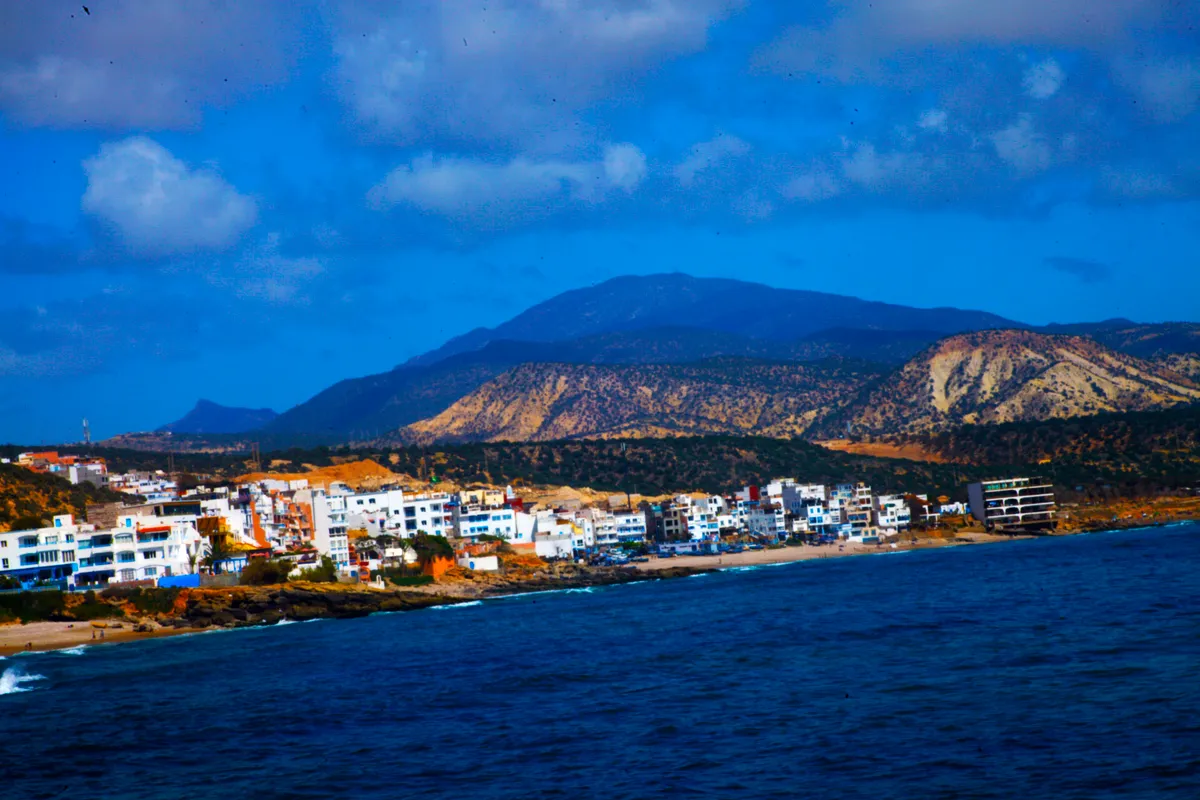
Taghazout is Morocco's surf capital, with a string of right-hand point breaks within a short drive, including Anchor Point, Killer Point, Hash Point and Panoramas. Nearby Tamraght and Aourir have learner-friendly beaches such as Devil's Rock and Banana Point. The area has dozens of surf camps, from budget hostels to boutique hotels, and is the most popular base for surf trips to Morocco.
Known for: Taghazout, Anchor Point, Killer Point, Banana Point
Imsouane
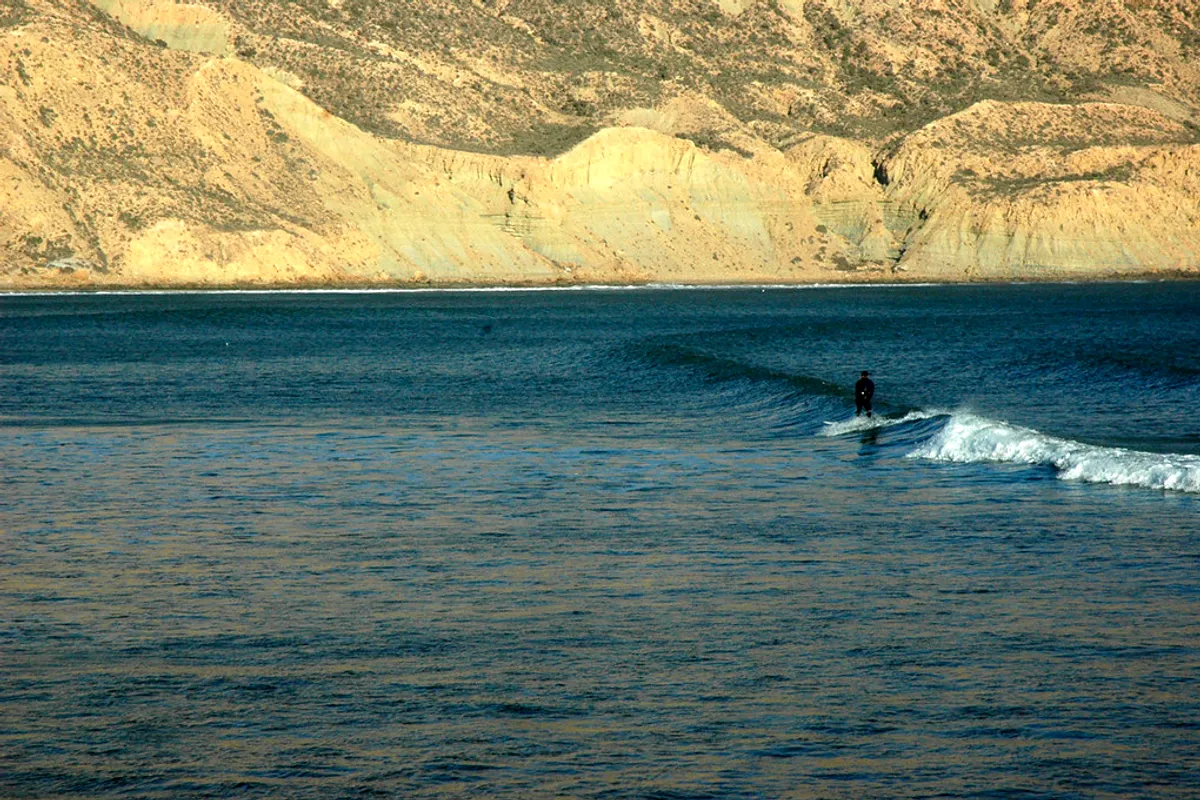
About two hours north of Taghazout, Imsouane is a small fishing village with one of the longest waves in Morocco. The Bay is a gentle, sand-bottomed right-hand wave that can run for an impressive distance, ideal for longboarders and intermediates. The Cathedral, a more exposed point, suits experienced surfers. The village has a relaxed, slower pace than Taghazout.
Known for: Imsouane, The Bay, The Cathedral
Essaouira and Safi
Further north, Essaouira is a historic walled port city known for its strong winds, which make it more popular with kitesurfers and windsurfers than surfers. Nearby Sidi Kaouki has beach breaks that can be good on calmer days. Safi, north of Essaouira, is home to one of the most powerful right-hand barrels in Morocco, sometimes called Safi Garden, which is only for experienced surfers on big swells.
Known for: Essaouira, Sidi Kaouki, Safi
Casablanca, Rabat and the north
The coast around Casablanca and Rabat has city surf scenes with beach and reef breaks. Ain Diab in Casablanca and Dar Bouazza to the south are popular local spots, while Rabat and nearby Mehdia have beach breaks. These areas are less focused on surf tourism but offer a glimpse of Moroccan urban surf culture and can work well on smaller swells.
Known for: Ain Diab, Dar Bouazza, Mehdia
The south: Mirleft and Sidi Ifni
South of Agadir, the coast towards Mirleft and Sidi Ifni is wilder and less developed, with beaches, reefs and points that see few surfers. Facilities are more limited, and the area suits adventurous surfers with a car. Mirleft has small coves and beach breaks, while Sidi Ifni, a former Spanish town, has a mix of beach and point waves.
Known for: Mirleft, Sidi Ifni, Tifnit
Learning to surf in Morocco
Morocco is one of the most popular places in the world to learn to surf in winter. The Taghazout area has dozens of surf camps offering packages that include accommodation, meals, lessons, equipment and transport. Beginners usually start at gentle beaches such as Devil's Rock, Crocro and Banana Point, while the point breaks are best left to experienced surfers.
When choosing a surf camp, consider group sizes, instructor qualifications, how many lessons are included and how the camp chooses beaches each day. Many camps also offer yoga, day trips to Paradise Valley and other activities.
Imsouane's Bay is another great place for improvers and longboarders, with long, gentle waves. Summer is a good time for complete beginners, with smaller waves and warmer water, though some camps are quieter outside winter.
Surfing in Morocco: questions
When is the best time to surf in Morocco?
The main season runs from October to March, when North Atlantic swells reach the point breaks. December to February is the peak. Summer is smaller and better suited to beginners.
Is Morocco good for beginners?
Yes. The Taghazout area has many surf camps and gentle beaches such as Devil's Rock and Banana Point. Imsouane's Bay is great for improvers and longboarders.
What wetsuit do I need in Morocco?
In winter, the water is around 17–18°C near Agadir, so a 3/2 or 4/3 wetsuit is common. In late summer and early autumn, a 3/2 or shorty is often enough.
Is Morocco safe for surf travel?
Morocco is a popular and generally welcoming destination for surfers. Take normal travel precautions, respect local customs and check your government's travel advice before you go.
Which airport is closest to Taghazout?
Agadir Al Massira airport, usually under an hour by road. Marrakech is a few hours away and has more international connections.
Taghazout or Imsouane: where should I go?
Taghazout has more variety, more surf camps and more powerful point breaks, so it suits all levels and longer stays. Imsouane is smaller and quieter, with a famously long, gentle bay wave that is ideal for longboarders and improvers. Many surfers visit both.
Can I combine a surf trip with Marrakech?
Yes. Many visitors fly into Marrakech, spend a few nights in the city and then travel to the coast by road, which takes a few hours. Some surf camps offer transfers from Marrakech.
Are there surf spots in northern Morocco?
Yes. The coast around Casablanca, Rabat and Mehdia has city beach and reef breaks with active local surf scenes. They are less geared to surf tourism than Taghazout but can be good on smaller swells.
Sources & editorial notes
Country context checked against the sources below. Regional summaries are Book & Surf editorial planning suggestions, not forecasts or safety assessments.