The breaks
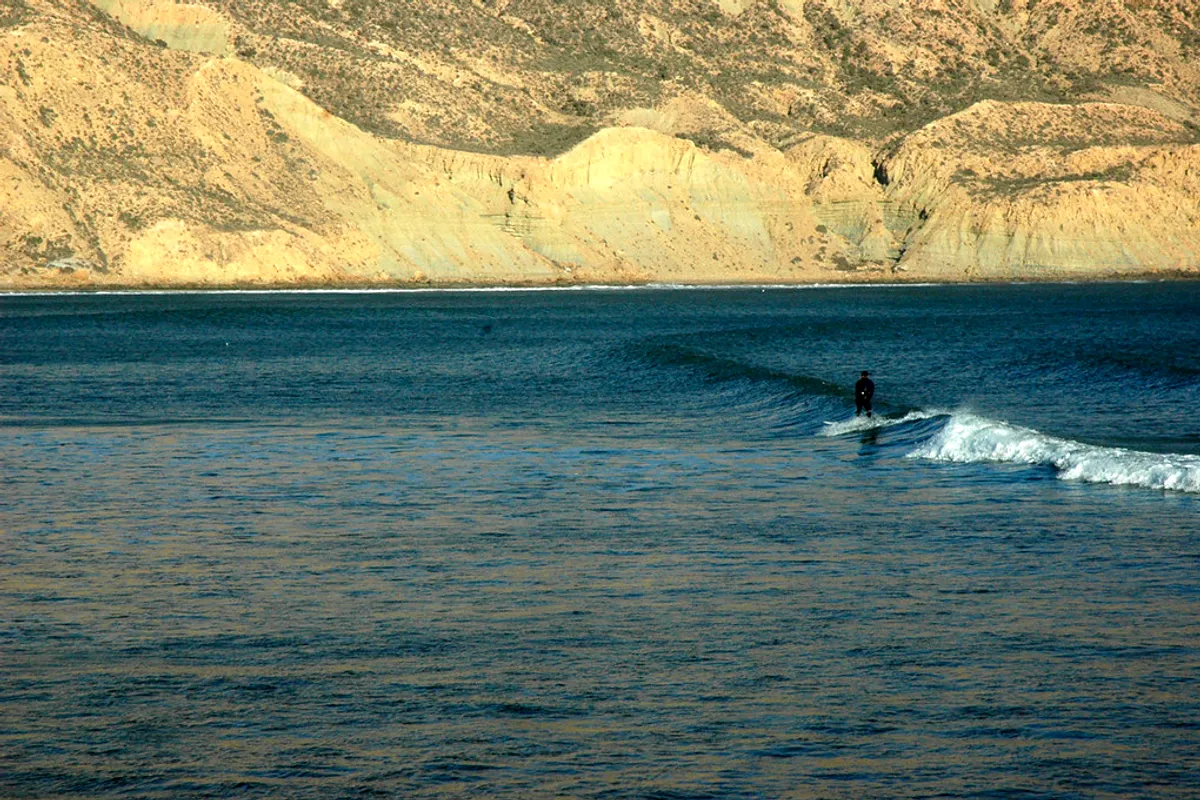
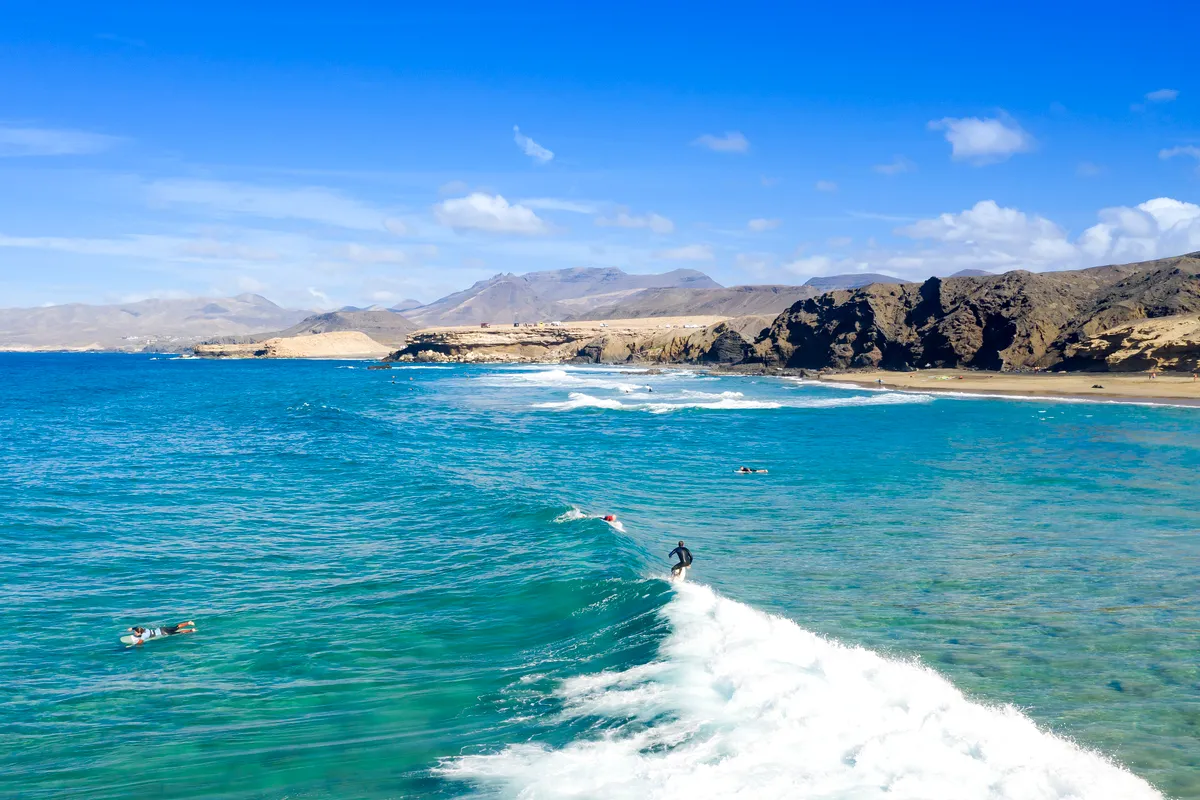
Recognised, publicly known surf spots around Taghazout. Suitability depends on the day's swell, wind and tide, so treat the level as a guide, not a guarantee.
| Break | Type | Best for | Notes |
|---|---|---|---|
| Anchor Point | Right-hand point | Advanced | A long right-hander north of the village that needs a solid north-west swell. Rocky entry and exit, crowded on good days. |
| Killer Point | Right-hand point | Advanced | A powerful, exposed right further north that handles bigger swells. Often reached on foot or by rough track. |
| Hash Point | Right-hand point | Intermediate | A smaller right in front of the village. Convenient but busy, with rocks to watch. |
| Panoramas | Right-hand point/beach | Intermediate | At the south end of Taghazout beach. A good step up for intermediates on small to medium days. |
| Devil's Rock | Beach break | Beginner–Intermediate | Sandy peaks in front of Tamraght and one of the area's main learner beaches. |
| Banana Point | Right-hand point | Beginner–Intermediate | Mellow right at the river mouth near Aourir. Popular with improvers and longboarders on small swells. |
Full profile: Anchor Point.
Taghazout surf climate, measured
Ten years of ocean model data for the open water off this coast: what the swell usually looks like before it reaches the beach. Shelter, sandbars and reefs change what you actually surf, so read this next to the month notes below.
| Month | Swell | Period | From | Wind | Water | Wetsuit | Days over 2.5 m |
|---|---|---|---|---|---|---|---|
| Jan | 1.8 m | 14 s | NW | 7 km/h NW | 17°C | 3/2 mm full suit | 25% |
| Feb | 2.3 m | 13 s | NW | 8 km/h NW | 17°C | 3/2 mm full suit | 33% |
| Mar | 2.2 m | 13 s | NW | 13 km/h NW | 16°C | 3/2 mm full suit | 40% |
| Apr | 1.7 m | 12 s | NW | 15 km/h NW | 17°C | 3/2 mm full suit | 10% |
| May | 1.7 m | 10 s | NW | 14 km/h NW | 18°C | 3/2 mm full suit | 3% |
| Jun | 1.5 m | 9 s | NW | 15 km/h NW | 18°C | 3/2 mm full suit | 3% |
| Jul | 1.5 m | 8 s | N | 12 km/h NW | 19°C | 2 mm shorty or spring suit | 0% |
| Aug | 1.4 m | 8 s | N | 13 km/h NW | 20°C | 2 mm shorty or spring suit | 0% |
| Sep | 1.4 m | 10 s | NW | 11 km/h NW | 20°C | 2 mm shorty or spring suit | 0% |
| Oct | 1.6 m | 12 s | NW | 9 km/h NW | 20°C | 2 mm shorty or spring suit | 13% |
| Nov | 2.0 m | 12 s | NW | 7 km/h NW | 19°C | 2 mm shorty or spring suit | 15% |
| Dec | 2.1 m | 13 s | NW | 6 km/h SW | 18°C | 3/2 mm full suit | 25% |
Median values from ERA5 at a sea point near Taghazout (30.5°N, 9.75°W), sampled 4 days a month at 12:00 UTC, 2015-2024. Highlighted months are our suggested planning window. Not a forecast or a safety assessment. How we use this data.
Book a surf trip to Taghazout
Everything we can link you to for this trip, grouped by what you need. Before you pay a camp or school, read who holds your money, and check that your insurance covers surfing.
Where to stay
Search near the breaks. Filter for surf hostels, apartments or hotels once you can see the map.
Surf lessons and activities
Listings change by season, so check what the operator includes and who coaches.
Flights
Add your dates and check the board fee on every leg before you pay.
Car hire
Ask about roof racks and whether the insurance covers boards on the roof.
Airport transfer
Tell the driver you have a board and its length when you book.
Mobile data
Download a forecast app and offline maps before you land.
Flight delay claims
If a delay eats your first surf day, check whether you can claim.
Luggage storage
Useful between check-out and a late flight. Check the size limit before dropping a board.
Links marked as partner links may earn us commission at no cost to you; the rest earn us nothing. We have not checked live availability or price, and the seller's terms apply. How we handle this.
Cheapest months to fly to Taghazout
Lowest return fare to AGA that Aviasales users found recently, in US dollars. Treat these as a guide to which months are cheaper, not as prices you can book today.
| From | Nov 26 | Dec 26 | Jan 27 | Apr 27 | May 27 | Aug 27 |
|---|---|---|---|---|---|---|
| London | $96 | $63 | $76 | – | $300 | $345 |
| Frankfurt | $115 | $71 | – | $270 | – | – |
Prices seen by 1 November 2026. Travelpayouts Data API. Board fees are extra on most airlines: see our surfboard baggage guide.
Taghazout, in surfers' own words.
Loading community posts…
Posted by members and checked by a moderator before appearing. Reviews are the member's own opinion, and we can't confirm that each one is a real booking unless it's marked verified. Community rules. Add your own after your trip; plan yours with the booking options above.
Why Taghazout became Morocco's surf capital
The coast north of Agadir is lined with rocky headlands that face the North Atlantic. When winter storms send swell south, waves wrap around those headlands and peel along them as long right-handers. Add mild winter weather, warm sunshine and a relatively short flight from much of Europe, and it is easy to see why surfers have been coming here for decades.
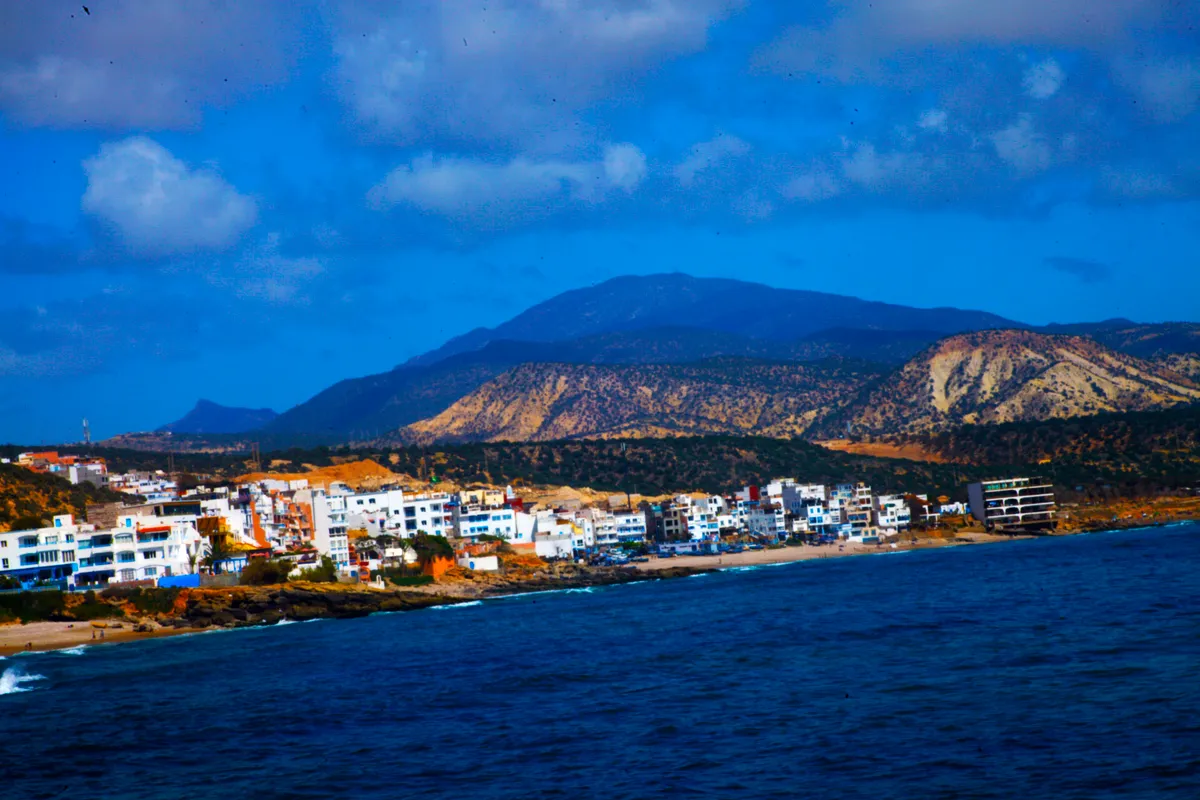
Taghazout village sits in the middle of this coast, with most of the best-known points within a short drive. It has changed fast, from a small fishing village to a busy surf hub with camps, cafés and a large resort development to the south. It still has a village feel in places, with narrow lanes, fishing boats on the beach and a slower pace than Agadir.
The point breaks
Anchor Point, just north of the village, is the most famous wave: a long right-hand point that can run for a long way on a good swell. It needs a decent north-west swell to work and is best for experienced surfers, with rocks to navigate on the way in and out and a line-up that gets busy.
Killer Point, further north, is a powerful right that handles bigger swells, often reached by a walk or drive over rough ground. Mysteries and Boilers are reef and point waves north of Anchor with their own character; Boilers is named after the remains of a ship's boiler on the reef. Hash Point, right in front of the village, is smaller and more accessible. Panoramas, at the southern end of Taghazout beach, is a right that suits intermediates on small to medium days.
Beginner and improver beaches
South of Taghazout, the village of Tamraght and the surrounding beaches offer gentler waves. Devil's Rock, a beach break in front of Tamraght, is one of the most popular learner spots, with sandy peaks and space for lessons. Crocro is another beach break nearby, often used by schools.
Banana Point, at the river mouth near Aourir, is a mellow right that works well for improvers and longboarders on smaller swells. Taghazout's own beach can also be suitable on small days. As anywhere, conditions vary with the swell and tide, so let a local school choose the beach.
Taghazout: which area to stay in
Taghazout village puts you in walking distance of Hash Point, Panoramas and Anchor Point, with cafés and surf shops around you. It is busy, and accommodation ranges from simple surf houses to more polished guesthouses.
Tamraght, a few minutes south, is a quieter village with many surf camps and easy access to Devil's Rock and Banana Point. It suits beginners and improvers who want to be close to the learning beaches. Aourir, near Banana Point, is a more local town with markets and fewer visitors.
Taghazout Bay, the resort development to the south, offers international hotels, golf and pools. It is comfortable but less connected to the surf culture. Whichever you choose, check whether your accommodation includes daily surf transport to the breaks that suit you.
Imsouane and the wider coast
Taghazout sits in the middle of a long, swell-exposed coast, and the best trips use more of it. To the north, Imsouane is a small fishing village with one of the longest right-hand waves in Morocco: the Bay, a gentle, sand-bottomed right that can run for a remarkable distance on the right swell and tide. It suits longboarders and improvers, and it is usually a two-hour drive from Taghazout. Imsouane also has a more exposed point, the Cathedral, for experienced surfers.
South of Agadir, the coast towards Tifnit and Sidi Ifni is wilder and less developed, with fewer facilities and quieter line-ups for experienced, self-sufficient surfers. Inland, the Anti-Atlas and High Atlas mountains are within reach for multi-day trips.
If you are travelling independently, a rental car opens up this coast, but road conditions vary and driving at night is best avoided. Many surf camps run day trips to Imsouane and other spots when the swell suits, which can be a simpler option. Always check the forecast first: the Bay at Imsouane needs a decent north-west swell to wrap in, and on small days it may barely break.
Travel to Taghazout, and getting about
Agadir Al Massira airport is the nearest, usually under an hour by road. Many camps arrange airport transfers. Some visitors fly into Marrakech and travel on by road, which takes several hours.
Local grand taxis and buses run along the coast road between Agadir and Taghazout. Most surf camps provide transport to the breaks, which removes the need for a car. Renting a car gives more freedom to explore further north, including Imsouane, but driving in Morocco takes confidence.
Making the most of a week in Taghazout
Morocco's point breaks are tide-sensitive and swell-direction-sensitive, so the first day is about learning which wave works when. Talk to your camp or a local shop and be prepared to drive.
On a flat day, visit Paradise Valley, a palm-lined gorge with natural pools in the Atlas foothills, about an hour inland. Agadir's souk offers spices, crafts and food. Fresh fish is grilled on the beach in many coastal villages. If you have more time, Imsouane, a couple of hours north, has a long, gentle right-hand bay wave that is famous for its length.
Remember that Morocco is a Muslim country. Dress modestly away from the beach, especially in villages, and be aware of local customs during Ramadan.
Respecting the line-up
The points are crowded in peak season, and local surfers have been riding them since long before the surf camps arrived. Sit wide when you first paddle out, wait your turn and do not drop in. Large groups from camps should avoid swamping a peak. Out of the water, support local businesses and remember that Taghazout is still home to a fishing community.
Taghazout surf season month by month
A broad planning picture, not a forecast. Swell, wind and water temperature vary from year to year.
| January | Peak season, with regular north-west swells and sunny, mild days. The points are in play and busy. Water around 17–18°C: a 3/2 or 4/3 wetsuit. |
|---|---|
| February | Similar to January: consistent and often excellent, with cool mornings and evenings. |
| March | Still good swell, with spring warmth arriving. A great month for intermediate and advanced surfers. |
| April | Swells become less frequent and winds more variable. Good for beginners and improvers; the points are less reliable. |
| May | Smaller surf and warmer weather. Mostly beginner-friendly, with the points working only occasionally. |
| June | Generally small. Summer winds can make some beaches choppy. Good for learning and relaxed trips. |
| July | Hot inland, milder on the coast. Small surf; good for lessons. Moroccan domestic tourism increases. |
| August | The warmest water of the year (around 21–22°C), small waves and busy beaches. Best for beginners and families. |
| September | Transition month. The first autumn swells can arrive late in the month, with warm water still around. |
| October | The season starts in earnest, with more consistent swells and warm water. A great month for all levels. |
| November | Regular north-west swell and comfortable weather. The points start to fire and crowds build. |
| December | Prime season. Powerful swells, sunny days and busy line-ups, particularly around Christmas and New Year. |
Learning to surf in Taghazout
The Taghazout area is one of the most popular places in Europe and North Africa to learn to surf, especially in winter when Atlantic beaches further north are cold and stormy. Most surf camps are based in Taghazout and Tamraght and offer packages with accommodation, meals, lessons, equipment and transport.
Beginners usually start at Devil's Rock, Crocro, Banana Point or another sheltered beach chosen for the day. In winter, waves on the points may be too big for lessons, but schools can usually find something suitable.
When comparing camps, ask how big the groups are, how many instructors there are, whether lessons are in the morning or adapted to the tide, and what happens if the surf is too big or too small. Check whether yoga, day trips and airport transfers are included or extra.
Comparing options across the country? Read our guide to surfing in Morocco.
Seasonal notes on this page describe typical patterns, not the conditions on a given day. Use the local forecast, lifeguard advice and a qualified instructor for water-safety decisions, and get a written breakdown of what any surf package includes before paying.
Taghazout surf trip questions
When is the best time to surf in Taghazout?
October to March is the main season, when Atlantic swells wrap into the point breaks and the weather is sunny and mild. Summer is usually small, but the warm water and gentle waves suit beginners.
Is Taghazout good for beginners?
Yes. While Anchor Point and Killer Point are for experienced surfers, nearby beaches such as Devil's Rock, Crocro and Banana Point are popular with surf schools. Most camps provide transport to the best beginner beach each day.
What wetsuit do I need for Morocco?
In winter the water is around 17–18°C, so a 3/2 or 4/3 wetsuit is common. In late summer and early autumn, a 3/2 or even a shorty can be enough.
Taghazout or Tamraght: where should I stay?
Taghazout is livelier and closer to the main points. Tamraght is quieter and closer to the beginner beaches. Both are a few minutes apart.
How far is Taghazout from Agadir airport?
Usually under an hour by road, depending on traffic. Many surf camps include airport transfers in their packages.
Sources & editorial notes
Destination context checked against the sources below. Base-selection and itinerary suggestions are Book & Surf editorial recommendations. Seasonal windows are broad planning suggestions, not measured forecasts or guarantees.
We do not claim to have personally surfed every break. Read our editorial standards.