The breaks
Recognised, publicly known surf spots around Jeffreys Bay. Suitability depends on the day's swell, wind and tide, so treat the level as a guide, not a guarantee.
| Break | Type | Best for | Notes |
|---|---|---|---|
| Supertubes | Right-hand point | Advanced | Long, fast, hollow walls over shallow rock. One of the best waves in the world; crowded with a strong local line-up. |
| Boneyards | Right-hand point | Advanced | Fast, shallow top section of the point, used as a take-off on bigger days. |
| Impossibles | Right-hand point | Advanced | Fast, difficult section below Supertubes that can be hard to make. |
| The Point | Right-hand point | Intermediate–Advanced | Lower section of the point, generally more forgiving than Supertubes. |
| Kitchen Windows | Reef break | Intermediate | Reef break north of the point, popular with intermediates and some surf schools. |
| Bruce's Beauties (Cape St Francis) | Right-hand point | Advanced | Famous from The Endless Summer, about half an hour away. Rarely breaks; needs a big swell. |
Why J-Bay is legendary
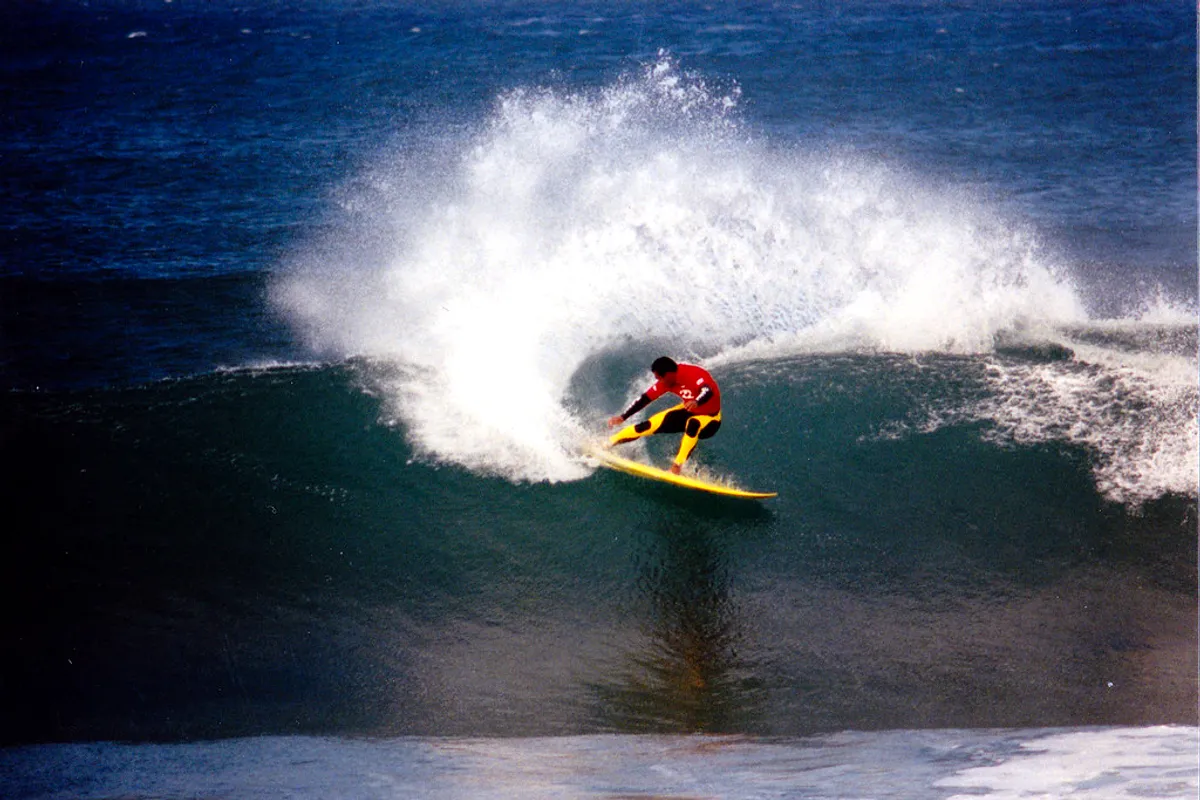
Jeffreys Bay, usually called J-Bay, sits on a curve of coastline that faces east, with a long, rocky point at its southern end. When Southern Ocean swells arrive from the south-west in winter, they wrap around the point and peel along it for an extraordinary distance, producing long, fast walls with hollow sections. On the best days, sections link together into rides that seem to go on forever.
J-Bay was discovered by travelling surfers in the 1960s, and its reputation grew through surf films and magazines. It has long hosted an elite professional contest, usually in the middle of the winter season, and is a must-visit for experienced surfers. The town grew around the wave, with surf shops, shapers and the factory outlets of major surf brands.
Supertubes and the sections of the point
The point at J-Bay is divided into named sections. At the top, Boneyards is a fast, shallow section over rocks where some surfers take off on big days. Below it, Supertubes is the most famous section, known for long, fast, hollow walls that are often described as some of the most perfect waves in the world. Impossibles, further down, is a fast, difficult section that can be hard to make. Below that, Tubes, The Point and Albatross offer more sections, with The Point generally more forgiving.
Supertubes is for experienced surfers only: it is fast, crowded and breaks over shallow rock, with a strong local line-up. The Point and other sections can be more accessible for confident intermediates on smaller days.
Kitchen Windows, Magna Tubes and the beaches
North of the point, closer to the town centre, Kitchen Windows is a reef break that can be gentler and is popular with intermediate surfers and some surf schools. Magna Tubes, further along, is another reef break.
The main town beach and other sandy beaches nearby are used by surf schools for lessons, offering gentler waves away from the powerful point. Cape St Francis, about half an hour away, has Bruce's Beauties, made famous by The Endless Summer, and other breaks.
Jeffreys Bay seasons and swell
J-Bay's best season is the Southern Hemisphere winter, from roughly April to September, when powerful Southern Ocean storms send consistent south-west groundswell and the prevailing winds are often offshore. June and July are often the peak months.
In summer, from roughly October to March, swells are smaller and less consistent, and easterly winds can blow onshore. The town is busier with holidaymakers, and beginners can find gentle waves on the beaches.
Sharks and safety
Sharks are present in South African waters, and J-Bay famously featured in an incident during a professional contest in 2015, when a world champion surfer escaped an encounter with a shark unharmed. Incidents remain rare, but surfers should be aware.
Follow local advice, avoid surfing at dawn and dusk in murky water and near river mouths after rain, and do not surf alone. The point's rocky entries and exits, strong currents and shallow sections are also hazards, so watch carefully before paddling out.
Staying in Jeffreys Bay
Staying near Supertubes puts you within walking distance of the point, with guesthouses, holiday homes and surf lodges overlooking the waves. The town centre, further north, has shops, restaurants and surf brand factory outlets.
Accommodation is easy to find outside contest periods but books up around the professional event and South African holidays. A car is useful for visiting nearby breaks and Cape St Francis.
Surf culture and the town
Jeffreys Bay grew from a small fishing village into one of the world's best-known surf towns largely because of its wave. Surfers who discovered the point in the 1960s spread word of its long, perfect walls, and the town gradually filled with surf shops, shapers, guesthouses and cafés. Several major surf brands opened factory outlets, which remain a draw for visitors.
The annual professional contest brings the world's best surfers and a festival atmosphere to the town in the middle of winter, and many visitors time their trip to watch. Outside contest weeks, J-Bay is a relaxed place, with a strong local surf community that has produced well-known South African surfers. The line-up at Supertubes is respectful but serious: patience, good positioning and an awareness of the pecking order go a long way. Many visitors find the lower sections and nearby reefs offer more waves and a friendlier atmosphere.
How to get to Jeffreys Bay
Gqeberha's airport, formerly Port Elizabeth, is about an hour's drive from Jeffreys Bay, with flights from Cape Town, Johannesburg and Durban. Many visitors drive the Garden Route from Cape Town, a journey of several hours with surf spots along the way.
A rental car is the most practical way to get around. Take normal precautions, such as not leaving valuables in cars.
Water, weather and what to pack
The water at J-Bay is cool to mild, typically in the mid to high teens Celsius in winter, although it can drop suddenly when upwelling brings cold water to the surface. A 3/2 or 4/3 wetsuit is common in winter, and some surfers add boots. Winter days are often sunny but cool, with cold mornings.
Bring reef booties if you are unsure about the rocky entries, and a spare board if you plan to surf the point seriously.
Beyond the surf in Jeffreys Bay
Watch the point carefully on your first day to understand the sections and the crowd. Surf the sections that suit your level, and try Kitchen Windows or The Point if Supertubes is too crowded or powerful.
On a rest day, visit Addo Elephant National Park, about two hours away, for elephants and other wildlife, explore the dunes and wetlands around J-Bay or visit Cape St Francis. The surf factory shops in town are popular with visitors.
Jeffreys Bay surf season month by month
A broad planning picture, not a forecast. Swell, wind and water temperature vary from year to year.
| January | Summer holidays, smaller swells and easterly winds. Good for learning on the beaches. |
|---|---|
| February | Summer conditions continue, with occasional swells. |
| March | The first autumn swells may arrive late in the month. |
| April | The season begins, with more consistent south-west swells and offshore winds. |
| May | Consistent groundswell and cooling water. Supertubes starts to fire. |
| June | Prime season, with powerful swells and offshore winds. |
| July | Peak season, often around the professional contest. Crowded but excellent. |
| August | Still consistent and powerful, with cool water. |
| September | The tail of the season, with good swells and fewer crowds. |
| October | Swells start to ease and winds become more variable. |
| November | Smaller swells, warmer weather and more frequent easterly winds. Good for learning on the beaches. |
| December | Summer holiday season with smaller waves and busier town. |
Learning to surf in Jeffreys Bay
Jeffreys Bay has surf schools that teach on the main beach and other gentle spots away from the powerful point. Lessons usually include wetsuits and soft-top boards. Summer often offers the gentlest conditions for beginners, although schools operate year-round.
Once you are comfortable, Kitchen Windows and The Point on small days can be the next step. Supertubes is only for experienced surfers. Ask schools about group size, instructor qualifications and shark safety.
Comparing options across the country? Read our guide to surfing in South Africa.
Seasonal notes on this page describe typical patterns, not the conditions on a given day. Use the local forecast, lifeguard advice and a qualified instructor for water-safety decisions, and get a written breakdown of what any surf package includes before paying.
Jeffreys Bay surf trip questions
When is the best time to surf Jeffreys Bay?
April to September, the Southern Hemisphere winter, brings consistent south-west groundswell and offshore winds. June and July are often the peak.
Is Jeffreys Bay good for beginners?
The point is for experienced surfers, but surf schools teach on gentler beaches nearby, and summer often brings small waves suitable for learning.
How far is Jeffreys Bay from Gqeberha?
About an hour by car. Gqeberha, formerly Port Elizabeth, has the nearest airport.
What wetsuit do I need in Jeffreys Bay?
A 3/2 or 4/3 wetsuit in winter, sometimes with boots. Upwelling can make the water colder than expected.
Are there sharks in Jeffreys Bay?
Sharks are present in South African waters. Incidents are rare, but follow local advice and avoid surfing at dawn, dusk and near river mouths after rain.
What are the sections of the point at J-Bay?
From the top, the main sections are Boneyards, Supertubes, Impossibles, Tubes, The Point and Albatross. Supertubes is the most famous.
When is the professional contest at Jeffreys Bay?
J-Bay has long hosted an elite professional surfing event in the middle of the southern winter, often around July. Dates and formats change, so check the current contest calendar before planning a trip around it.
Can intermediate surfers enjoy Jeffreys Bay?
Yes. While Supertubes is for experienced surfers, The Point, Albatross and Kitchen Windows can suit confident intermediates on smaller days.
Sources & editorial notes
Destination context checked against the sources below. Base-selection and itinerary suggestions are Book & Surf editorial recommendations. Seasonal windows are broad planning suggestions, not measured forecasts or guarantees.
We do not claim to have personally surfed every break. Read our editorial standards.