The breaks
Recognised, publicly known surf spots around Lofoten. Suitability depends on the day's swell, wind and tide, so treat the level as a guide, not a guarantee.
| Break | Type | Best for | Notes |
|---|---|---|---|
| Unstad | Beach break | Beginner–Advanced | The best-known Lofoten wave, in a bay on Vestvågøy and venue of the Lofoten Masters. Gentle in summer, heavy in winter. |
| Skagsanden (Flakstad Beach) | Beach break | Beginner–Intermediate | A sandy-bottomed beach on Flakstadøya. Often the refuge for less experienced surfers when big swell and wind affect other spots. |
| Eggum | Beach break | Intermediate | Sandy banks curl around a headland on Vestvågøy. Described as soft but fun, and often quieter than Unstad. |
| Haukland | Beach break | Intermediate | A scenic beach near Leknes used by surfers in some conditions. Surf-specific information is limited, so ask locally before you go. |
| Hagbarden | Remote beach and reef | Advanced | A remote spot reported to have no rescue services nearby. Only for experienced surfers with a partner and a clear plan. |
Lofoten surf climate, measured
Ten years of ocean model data for the open water off this coast: what the swell usually looks like before it reaches the beach. Shelter, sandbars and reefs change what you actually surf, so read this next to the month notes below.
| Month | Swell | Period | From | Wind | Water | Wetsuit | Days over 2.5 m |
|---|---|---|---|---|---|---|---|
| Jan | 2.3 m | 11 s | W | 35 km/h SE | 6°C | 6/5 mm, boots, hood, gloves | 43% |
| Feb | 2.2 m | 11 s | SW | 31 km/h SE | 5°C | 6/5 mm, boots, hood, gloves | 40% |
| Mar | 2.2 m | 10 s | SW | 32 km/h NE | 4°C | 6/5 mm, boots, hood, gloves | 30% |
| Apr | 1.3 m | 10 s | NW | 20 km/h NE | 4°C | 6/5 mm, boots, hood, gloves | 3% |
| May | 1.3 m | 9 s | N | 23 km/h N | 6°C | 6/5 mm, boots, hood, gloves | 5% |
| Jun | 1.2 m | 8 s | N | 26 km/h SW | 9°C | 6/5 mm, boots, hood, gloves | 10% |
| Jul | 0.9 m | 8 s | W | 17 km/h N | 11°C | 5/4 mm, boots | 0% |
| Aug | 0.9 m | 8 s | W | 19 km/h NE | 13°C | 4/3 mm full suit | 3% |
| Sep | 1.1 m | 8 s | SW | 25 km/h SE | 11°C | 5/4 mm, boots | 10% |
| Oct | 1.5 m | 9 s | W | 27 km/h SE | 10°C | 5/4 mm, boots | 3% |
| Nov | 1.9 m | 10 s | SW | 30 km/h SE | 9°C | 6/5 mm, boots, hood, gloves | 25% |
| Dec | 2.1 m | 11 s | NW | 32 km/h S | 7°C | 6/5 mm, boots, hood, gloves | 33% |
Median values from ERA5 at a sea point near Lofoten (68.25°N, 13.5°E), sampled 4 days a month at 12:00 UTC, 2015-2024. Highlighted months are our suggested planning window. Not a forecast or a safety assessment. How we use this data.
Book a surf trip to Lofoten
Everything we can link you to for this trip, grouped by what you need. Before you pay a camp or school, read who holds your money, and check that your insurance covers surfing.
Where to stay
Search near the breaks. Filter for surf hostels, apartments or hotels once you can see the map.
Surf lessons and activities
Listings change by season, so check what the operator includes and who coaches.
Flights
Add your dates and check the board fee on every leg before you pay.
Car hire
Ask about roof racks and whether the insurance covers boards on the roof.
Airport transfer
Tell the driver you have a board and its length when you book.
Mobile data
Download a forecast app and offline maps before you land.
Flight delay claims
If a delay eats your first surf day, check whether you can claim.
Luggage storage
Useful between check-out and a late flight. Check the size limit before dropping a board.
Links marked as partner links may earn us commission at no cost to you; the rest earn us nothing. We have not checked live availability or price, and the seller's terms apply. How we handle this.
Mountains in the line-up
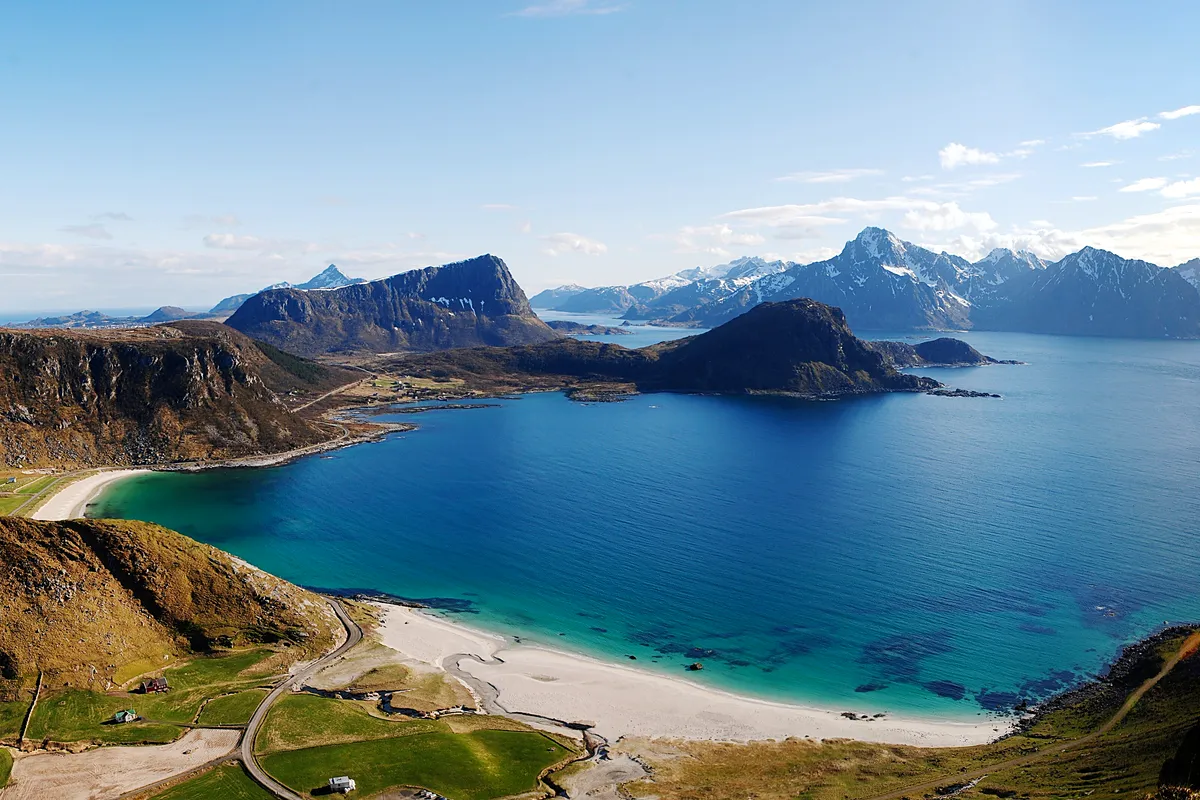
The Lofoten islands rise steeply out of the Norwegian Sea, with granite peaks dropping to coves of pale sand. Surf here is set against a backdrop few other places can match, which is why photographers keep coming. One guide calls Unstad one of the most photographed surf spots in the world, while another says it is the best-known surf spot in Norway.
The islands lie well north of the Arctic Circle but enjoy a milder climate than their latitude suggests, because the North Atlantic Current and the Norwegian Current warm the sea. Winters are cold, but not as bitter as places at the same latitude in Canada or Russia. That warmth is the reason surfers can paddle out here at all. It does not change the fact that the water is very cold, the daylight is short and the weather is changeable.
Unstad and the beaches that work
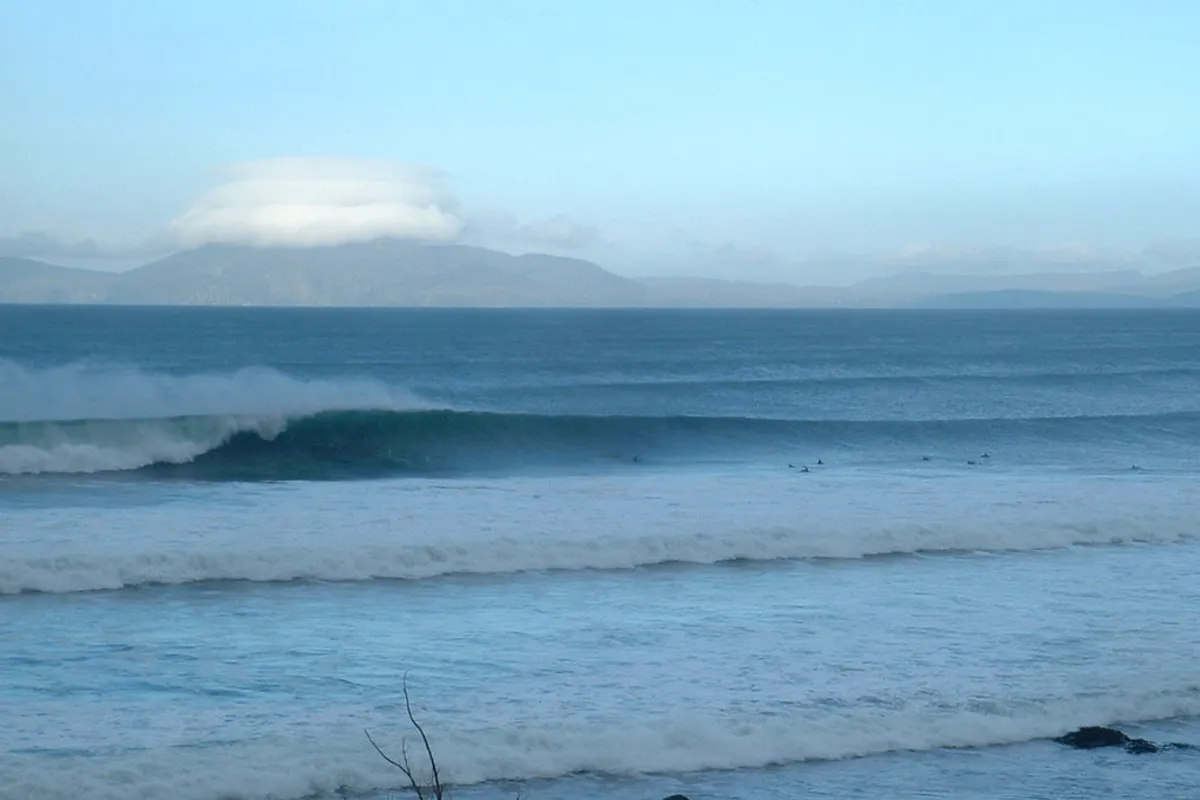
Unstad is the flagship. A sheltered bay on the west coast of Vestvågøy, it faces the open sea and is the site of the Lofoten Masters, a contest held each September. In summer the waves are generally gentler and smaller, and Unstad can be beginner-friendly then. In winter it can be heavy and demanding.
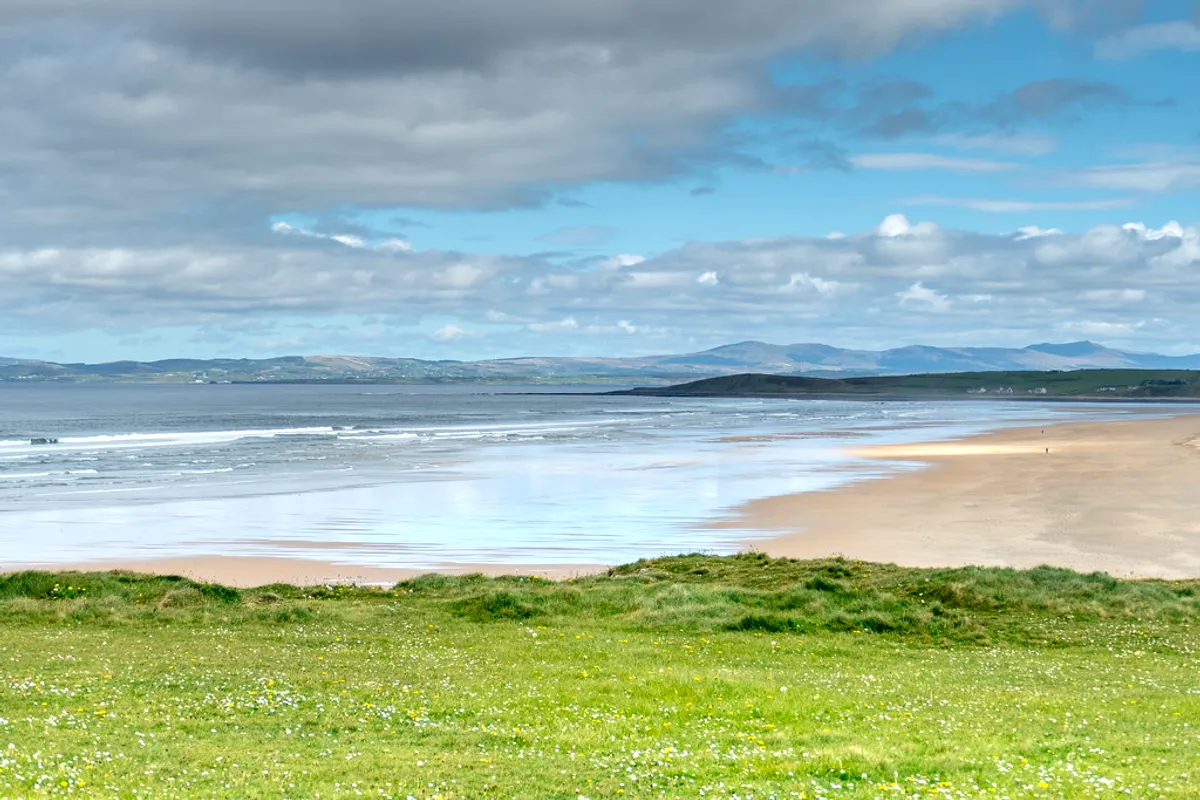
Skagsanden, also known as Flakstad Beach, has a sandy bottom and suits beginners and intermediates, and is where learners retreat when big swells and wind make other spots difficult. Eggum has sandy banks curling around a headland, and one guide describes its waves as soft but fun. Haukland is better known as a beach, though it is used by surfers in some conditions. Not every beach works on every swell, so be ready to drive between them.
Cold water, and what to wear
Water temperature is the main challenge. One source quotes about 5 degrees Celsius in January and 4 in February and March, rising to around 14 in August, while satellite-based forecasts show other values, and the actual temperature near shore can differ by several degrees. Peak winter is usually described as November to March.
The usual advice is a 6mm wetsuit with a hood, gloves and boots from October through May. Bring a spare set, a thermos and a heated changing space if you can. Getting out of the water can be harder than getting in, because wet neoprene in sub-zero air stiffens quickly. Plan short sessions and keep warm clothing within reach.
Because the sea is so cold, plan your day around warm-ups. A car with the heater running, dry layers laid out in advance and a hot drink make the difference between a short, sharp session and a miserable one. Hands and feet go numb first, so leave plenty of time to change safely, and never rush out of the water into a long cold drive.
Light, midnight sun and northern lights
In Svolvær the sun stays above the horizon from 25 May to 17 July, and in Leknes the period runs from 26 May to 17 July. Summer surfing can therefore continue at any hour, although the waves are usually small. In winter, daylight shrinks to a few hours and the sky offers aurora displays on clear nights.
For surfers this changes the way you plan. In deep winter the window for a session is short, and you will often be getting out of the water in twilight. In late spring and summer you can take advantage of the long evenings, but you must keep track of time as it never gets dark.
Reaching the islands and driving the E10
Leknes Airport handled just over 100,000 passengers in 2014 and is the main airport for the western islands, with Svolvær also having an airport. The E10 road connects the larger islands with bridges and undersea tunnels, and the Lofast road, which opened on 1 December 2007, links Lofoten to the mainland.
A rental car gives you freedom to chase swell. Roads can be icy and narrow in winter, so check conditions, carry spare layers and drive carefully. In summer, campervans are common. Distances along the E10 are modest on paper but slow in practice, with single-lane tunnels and sheep on the road.
Fishing villages and flat-day plans
Reine, in Moskenes, is one of the most photographed villages in Norway, set beneath the mountain Reinebringen. Fishing villages with red fishermen's huts, dried cod racks and small museums are scattered along the E10.
On a flat or stormy day, hikes, fjord boat trips and village visits are the usual alternatives. Mountain paths can be steep and slippery, and snow cover in winter makes some routes inadvisable without equipment. Check local advice before setting off.
Safety in an unforgiving place
Lofoten's breaks are remote. A guide notes that places like Hagbarden and Flakstad do not have rescue services on site, so you are responsible for your own safety. Never surf alone, tell someone where you are going and carry a phone in a waterproof case, even if reception can be patchy.
Cold-water shock, hypothermia, sudden weather changes and short daylight are the main risks. Build in a margin for error, avoid pushing into big surf when you are tired, and know where the nearest town is.
Lofoten surf season month by month
A broad planning picture, not a forecast. Swell, wind and water temperature vary from year to year.
| January | Deep winter: heavy swell, a few hours of daylight and water around 5 degrees Celsius. Aurora displays are possible, and a 6mm suit with hood is essential. |
|---|---|
| February | Very cold water and strong swell. Daylight begins to return, and clear days are exceptionally scenic, but conditions are severe. |
| March | Often still cold, with lengthening days and good swell. A popular month for committed surfers who want more daylight than in midwinter. |
| April | Spring light and a mix of snow and sun. Waves are less frequent, and winter gear is still required. |
| May | Transition into the midnight sun period at the end of the month. Smaller waves and fewer visitors; the water remains cold. |
| June | Midnight sun and small to moderate waves. Unstad is gentler, and summer surfing is possible in a thick suit. |
| July | The sun stays up until mid-month, and the busiest period for tourism. Waves are typically small, so it suits beginners. |
| August | The warmest sea of the year at around 14 degrees according to one source. Daylight is returning to normal patterns. |
| September | The Lofoten Masters takes place at Unstad. Autumn swell starts to arrive and the weather turns more variable. |
| October | Surf season begins in earnest. The water cools quickly, so bring the thick wetsuit, gloves, boots and hood. |
| November | Peak season starts. Strong swell, short days and the first frost mean careful planning is needed. |
| December | Very short days, dark conditions and winter storms. Surf is powerful, and sessions are limited by the small window of daylight. |
Is Lofoten a place to learn?
In summer, yes, in a limited way. Unstad is described as gentle and beginner-friendly then, and a surf school and camp operate in the area. In the cold season, a winter lesson here is a serious commitment that requires thick neoprene and a high tolerance for discomfort.
If you are new to surfing, summer is the best choice, with small waves, long daylight and relatively warmer water. Look for instructors who offer full-length suits, boots, gloves and hoods, and who run small groups.
Skagsanden, with its sandy bottom, is a good option when conditions at Unstad are too big. Always ask on the day where the lesson will take place.
Comparing options across the country? Read our guide to surfing in Norway.
Seasonal notes on this page describe typical patterns, not the conditions on a given day. Use the local forecast, lifeguard advice and a qualified instructor for water-safety decisions, and get a written breakdown of what any surf package includes before paying.
Lofoten surf trip questions
Can you really surf in Lofoten?
Yes. Surf is possible year-round, with the strongest swells in winter. The water is very cold, so thick wetsuits, gloves, boots and a hood are normal.
What is the best time to surf in Lofoten?
Winter, from about November to March, has the biggest waves but the shortest daylight. Summer is gentler and more suitable for beginners, with long days around the midnight sun.
How cold is the water?
Roughly 4 to 6 degrees Celsius in winter according to one source, and around 14 in August. Values vary by source and location, so expect to need a 6mm suit with accessories.
How do I get to Lofoten?
Fly to Leknes or Svolvær, or drive to the islands via the Lofast road and the E10. A car is useful once you arrive.
Is Lofoten suitable for beginners?
In summer, yes, at a gentle beach such as Unstad or Skagsanden. In winter it is much harder, and beginners should only go out with a qualified instructor.
Sources & editorial notes
Destination context checked against the sources below. Base-selection and itinerary suggestions are Book & Surf editorial recommendations. Seasonal windows are broad planning suggestions, not measured forecasts or guarantees.
We do not claim to have personally surfed every break. Read our editorial standards.