Why a cold country has surfable waves
Norway's western coast faces the North Atlantic and the Norwegian Sea. Storms tracking towards Scandinavia send long-period swell onto beaches, and the coastline is so indented and varied that there is always a bay facing the right way. The sea is warmed by the North Atlantic Current and the Norwegian Current, which keep winters milder than the latitude suggests, though not warm.
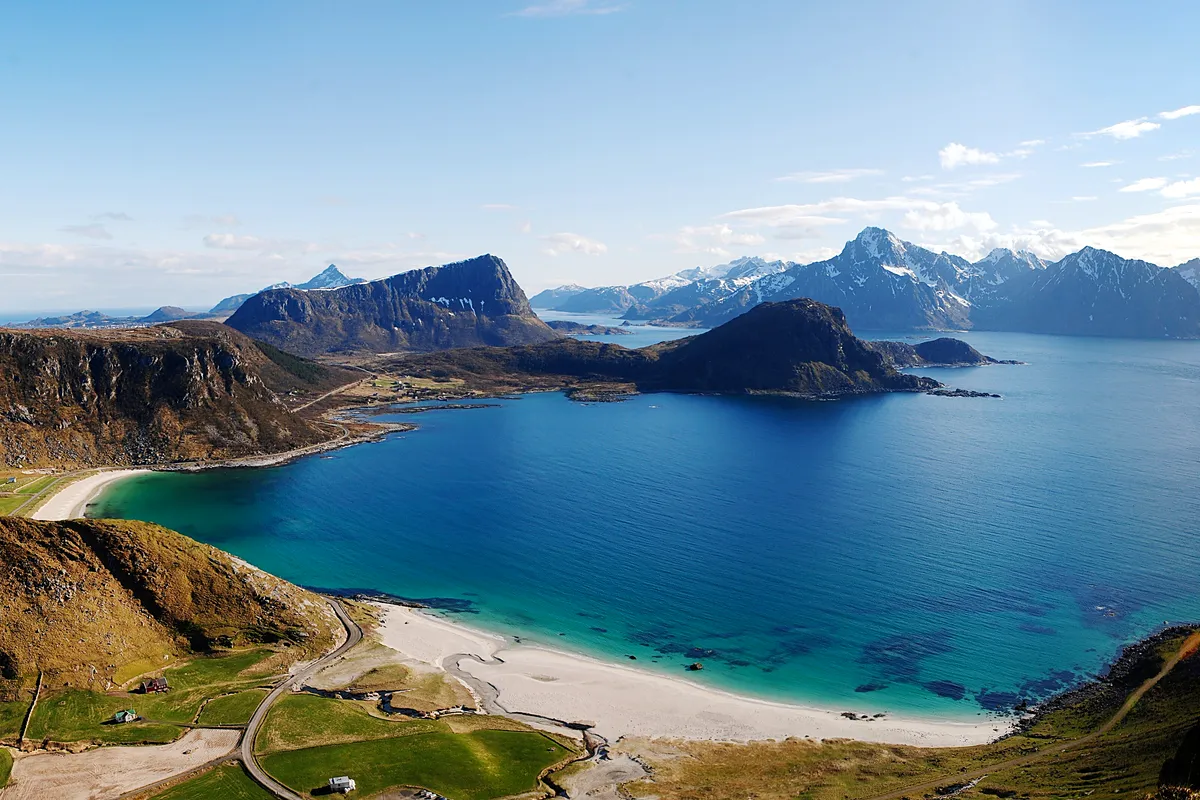
The surf scene is small, and beaches are often empty. Visit Norway notes that Jæren, in the south-west, has hosted European championships, and surfers have been riding waves in the Arctic north for years. Guides call Unstad in Lofoten one of the most photographed surf spots in the world.
The country is expensive and far from many people's home airports, so a Norwegian surf trip is a deliberate choice. The reward is a landscape and an atmosphere that are different from Biarritz or Ericeira, and the sense of surfing somewhere that few people have.
Reading the seasons: dark winters, bright summers
Norway's seasons are more extreme than in southern Europe. Autumn and winter bring the biggest swells and the shortest days, with some regions seeing only a few hours of daylight and others, in the far north, a long period of twilight. Summer brings long days, in the north the midnight sun, and smaller, gentler waves.
For experienced, well-equipped surfers, the winter months from about November to March are the draw, with sessions often ending in twilight and the chance of northern lights. For beginners and families, summer is far kinder, with warmer air, manageable surf and long evenings.
Spring and autumn are changeable but rewarding. September, for instance, is when the Lofoten Masters takes place, and autumn swells are beginning to arrive.
How Norway compares with other cold-water coasts
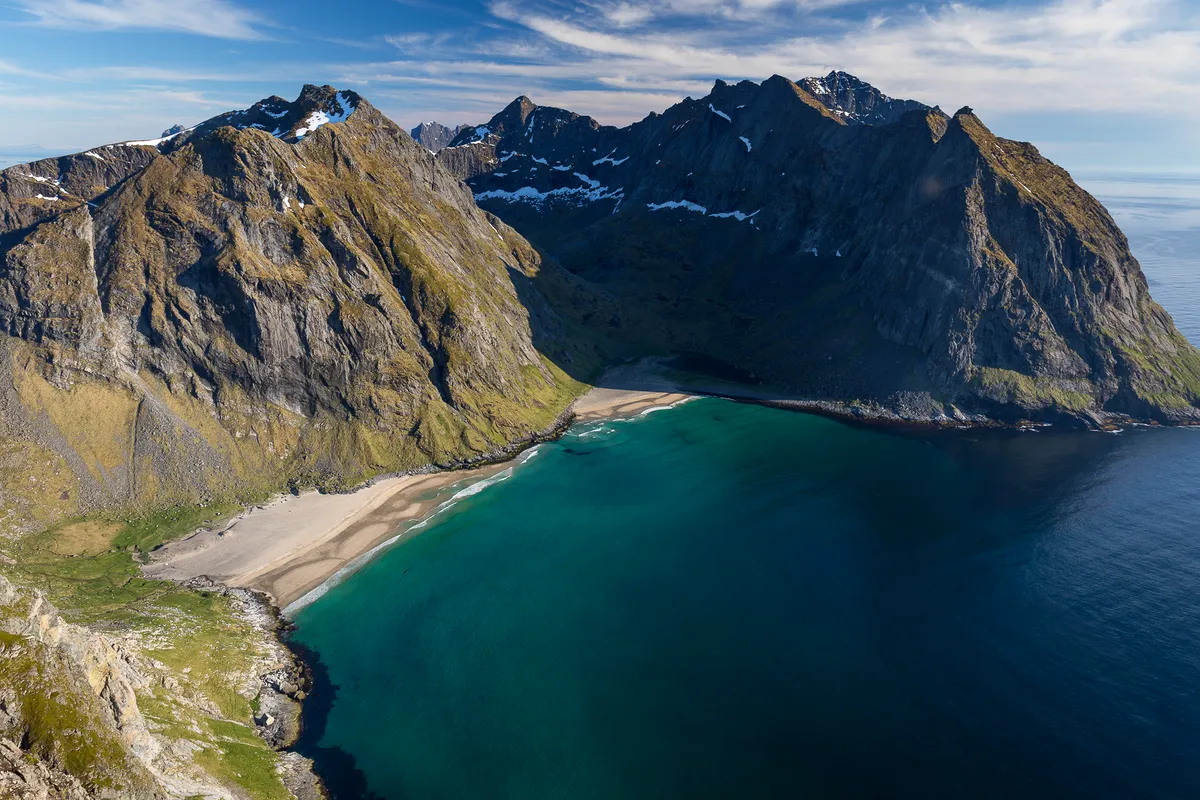
Surfers who have been to Scotland, Ireland or Iceland will find the Norwegian experience familiar in some ways and different in others. The water is just as cold, but the beaches are often sandier and the line-ups emptier. The scenery is dominated by steep mountains, fjords and fishing villages rather than moorland or farmland, and the sheer scale of the landscape is part of the appeal.
The Norwegian scene is also young. There are fewer surf shops, fewer established schools and less of the infrastructure that a mature surf coast has. In return, there is a freshness to it: people are pleased to see visitors, and a surfer on the beach is a novelty rather than a fixture.
The wave quality is variable. Sandy beach breaks dominate, and they depend on swell direction, tide and wind. Wind is a frequent problem, particularly in the south-west, and the best sessions often come on the edges of a storm, when the wind drops and the swell lingers. Local knowledge matters, so ask in a surf shop or camp before you drive for hours.
Cold-water kit and preparation
The water is cold all year. Winter temperatures are reported at around 4 to 6 degrees Celsius in the north, and even in late summer the sea is rarely warm. A 5/4 or 6/4 wetsuit with hood, gloves and boots is the standard from October through May, and many surfers also wear a thin neoprene layer under the suit in the coldest months.
Cold-water surfing is as much about logistics as gear. Keep a hot drink, dry clothes and a warm car ready, and have a plan for getting changed in freezing wind. Sessions are shorter than in warmer places, and fatigue can set in quickly. A neoprene suit that is slightly tight is much better than one that lets water flush in.
In summer, a 4/3 with boots is often sufficient in the south, but gloves and a hood may still be welcome in the north.
Getting around: ferries, bridges and rental cars
Norway is long, mountainous and sparsely populated. Domestic flights connect larger towns, and smaller regional airports such as Leknes serve the Lofoten Islands. Roads are generally good but winding, with tunnels, bridges and ferries, and winter driving can be demanding. A rental car is nearly essential for surf, with campervans a popular choice in summer.
Distances on the map can be misleading. Allow extra time for ferries and mountain roads, and check road conditions and timetables, which change in winter. Public transport serves towns but rarely reaches isolated beaches.
Prices for food, fuel and accommodation are high by European standards, and surf trips can be expensive unless you camp or self-cater. Many visitors plan around supermarkets and simple cabins.
Money, food and keeping costs sensible
Norway is among the most expensive countries in Europe, and a surf trip here costs more than a similar trip to Portugal or Spain. Accommodation, restaurant meals and alcohol are all high, and fuel adds up quickly over long distances.
The usual ways to keep costs down are to self-cater from supermarkets, stay in simple cabins or campsites, travel in a campervan and share a car. Surf camps and schools can be a good way to bundle accommodation, food and equipment, but compare what is included before you book. Fresh fish is part of the culture, especially in Lofoten, where stockfish drying racks line the harbours, and buying directly from fishing villages can be cheaper than eating out.
Whatever your budget, build in extra for weather days. Ferry delays, road closures and flat spells are normal, and a flexible schedule saves money and stress.
Midnight sun and northern lights
North of the Arctic Circle, the sun does not set for weeks in summer. In Lofoten, for example, the sun stays above the horizon from late May to mid-July, which means sessions can start and finish at any hour. In winter, the opposite is true, and in clear conditions the northern lights can appear over the beach.
These extremes shape the trip. In summer, you need to remind yourself to rest, because there is no darkness to tell you the day is over. In winter, plan sessions for the brief window of daylight and bring head torches and warm clothing for the walk back.
Whichever season you pick, bring layers and a good waterproof, because weather changes quickly and rain, wind and sun can arrive in the same hour.
Respect, access and safety
Norway's tradition of open access to the countryside makes it easy to reach most beaches, but private land, farms and nature reserves exist, so follow signs and leave gates as you find them. Park only where allowed, and take litter with you.
Safety is the main concern. Many surf spots are remote, with no lifeguards and long distances to the nearest town. A guide notes that places like Hagbarden and Flakstad in Lofoten have no rescue services on site. Never surf alone, check the forecast and tell someone your plans. Cold-water shock and hypothermia are real dangers, so build in a margin and get out before you are exhausted.
In winter, daylight and weather are part of the safety picture. Check the sunset time before you start, carry a head torch for the walk back, and keep an eye on the wind, because a calm morning can turn stormy by afternoon. Roads in the north can be icy, so factor in the drive home, and never push on when you are too cold to feel your hands. A short, controlled session is always better than a long one that ends in trouble.
Surf regions of Norway
Lofoten
A chain of islands in the north with sandy bays between steep mountains. Unstad is the flagship, with the Lofoten Masters held there each September, Skagsanden suits beginners and intermediates, and Eggum has sandy banks around a headland. Winter brings heavy swell and short days, while summer is gentler. Remote beaches have no rescue services.
Known for: Unstad, Skagsanden, Eggum, Haukland
Jæren
A stretch of low, sandy coast in the south-west, around 70 kilometres of beaches according to one guide, with Bore often named as the natural starting point. The area hosted European championships in 2017 and 2018. It is closer to Stavanger and easier to reach than the north, but wind is the main drawback, so check direction and strength before you go.
Known for: Bore
The Stad peninsula
A headland on the west coast, exposed to Atlantic swell. Hoddevik is a beach of about 800 metres of pebbles and sand, with gentle waves described as suitable for learners and surf camps operating nearby. Conditions depend on swell direction and size, and the weather can be wet and windy, so allow spare days.
Known for: Hoddevik
Learning to surf in Norway
Norway can be a beautiful place to learn if you choose the right season and beach. Summer is the best time for beginners, with smaller waves, long days and milder air. Hoddevik is described as having gentle waves suited to learners, and Unstad and Skagsanden in Lofoten are gentler in summer.
Schools and camps operate in Lofoten, Jæren and the Stad area, and equipment is normally included. Ask what suit, boots, gloves and hood are provided, how many students share an instructor, and what happens if the wind or swell is wrong.
If you are new to surfing, consider learning basics in a warmer country first. Cold water makes everything harder, from paddling to standing up, and the extra layers add weight and restrict movement.
When choosing a school, look for operators who know the local weather and tides, carry safety equipment and are open about when it is safe to go out. Booking a few days of lessons at the start of your trip, then spending the rest of the time practising on your own at a gentle beach, is a sensible pattern.
Surfing in Norway: questions
Can you surf in Norway?
Yes. Norway's west coast and Arctic north have sandy beaches that pick up North Atlantic swell, and a small surf community uses them year-round.
Where is the best surfing in Norway?
Unstad in Lofoten is the best known. Jæren in the south-west and Hoddevik on the Stad peninsula are other popular areas.
When is the best time to surf in Norway?
Winter has the biggest swell but the shortest days and coldest water. Summer is smaller and better for beginners, with long daylight.
What wetsuit do I need in Norway?
A thick winter suit with hood, gloves and boots, often 5/4 or 6/4, is standard from October to May. A 4/3 with boots can work in summer in the south.
Is Norway expensive for a surf trip?
Yes, by European standards. Food, fuel and accommodation cost more, so many visitors self-cater, camp or travel by campervan.
Can I see the northern lights while surfing?
In winter, clear nights in the far north can bring aurora displays over the beach. They cannot be promised, and sessions are limited by the short daylight, so treat them as a bonus.
Sources & editorial notes
Country context checked against the sources below. Regional summaries are Book & Surf editorial planning suggestions, not forecasts or safety assessments.