An enclosed sea with real, if rationed, waves
The Mediterranean is a closed basin. Waves need wind to build them, and the distance that wind can blow over water, known as the fetch, is short compared with an ocean. That is why Italian surf is smaller and shorter-lived than the surf of Portugal or France, and why the sport here is built around specific weather: a deep low-pressure system, a strong north-westerly such as the mistral, or a southerly blowing across the sea for a day or two.
Guides agree on the broad pattern. Surf is most likely from October to April, with the best waves often in the heart of winter, and summer is frequently flat. Sardinia and Sicily, being islands exposed to the western Mediterranean, take the strongest swells, while Liguria, Tuscany and Lazio pick up smaller, shorter-period waves that depend on the wind direction on the day.
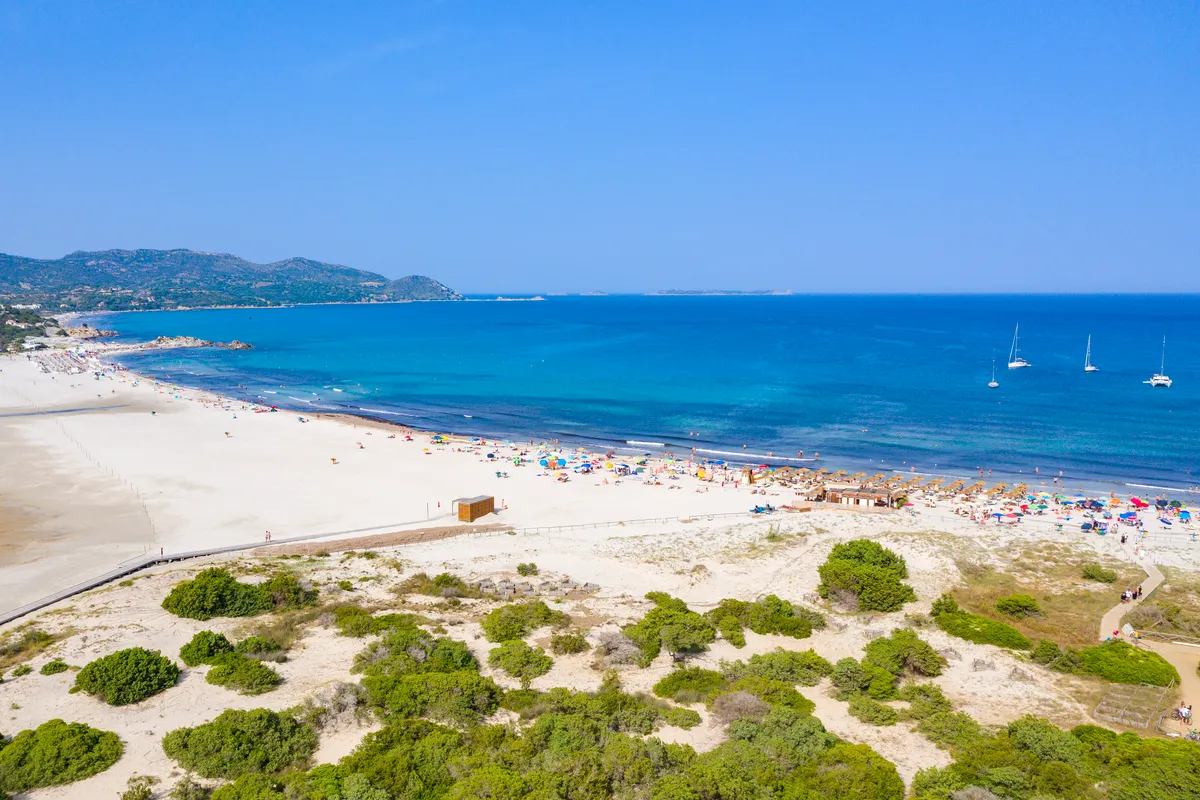
The practical lesson is to travel with a plan that does not hinge on surf. Treat any wave as a bonus, and choose a base that is enjoyable when the sea is flat: a historic town, a cove for swimming, a good restaurant. Italy rewards that attitude generously.
That shapes who should come. Surfers who enjoy hunting for waves, travelling light and combining surf with food, history and landscape will be well rewarded. Surfers who want guaranteed daily waves, long rides and a busy surf-town atmosphere are better served by Portugal, France or Spain, and might treat Italy as a second, more adventurous trip.
When to go, and how to read the forecast
Autumn and winter are the best months. October and November bring the first storms, December to February produces the strongest and most reliable swell on the islands, and March and April can still deliver as the weather slowly settles. Summer is the season for swimming, stand-up paddling and small, short-lived wind waves.
Forecasts for the Mediterranean are more volatile than Atlantic ones. Swell can appear within a day and fade just as quickly, and local wind can ruin a promising chart. Look at wind direction as much as wave height: a big swell with onshore wind is a mess, while a modest swell with light offshore wind can be a fun session. Locals check forecasts constantly, and many travel on short notice when a system looks good.
Because the swell is irregular, many visiting surfers split their time. Bring a board for waves, but also pack for hiking, cycling and sightseeing so that a flat week still works as a holiday.
Water temperature and wetsuits
The sea is warmer than the Atlantic at the same latitude, but it is not warm in winter. In the main surf season, water temperatures are generally in the mid-teens Celsius, with the north cooler than the south. A 4/3 wetsuit is the standard for midwinter, and some surfers wear boots on windy days. The shoulder months are comfortable in a 3/2, and summer needs little more than a shorty or lycra top.
The bigger issue is wind chill. A north-westerly mistral or tramontana can be cold, and sessions in strong wind feel much colder than the numbers suggest. A changing robe, a hood or hat for the post-surf warm-up and a thermos are worth bringing.
If you are travelling to take lessons, equipment is normally included. If you bring your own board, check the airline's fees and size limits, and remember that many Mediterranean waves are small, so a bigger, more forgiving board is often the best choice.
Getting around: islands, trains and hire cars
Italy has excellent rail and air links between its cities, but surf breaks are rarely next to a station. On the mainland, trains reach many coastal towns, and a few spots, such as Levanto in Liguria, can be reached on foot from the station. On the islands, public transport is limited, and a rental car is close to essential.
Sardinia has three main airports, at Cagliari, Alghero and Olbia, and the west coast breaks are a long drive from all of them. Sicily has airports at Palermo, Catania and Trapani, among others. Roads in rural areas can be narrow and winding, and distances take longer than they look. In winter, some ferry services and seasonal facilities are reduced, so check timetables and opening hours before you travel.
For mainland trips, think in terms of weekend surf missions from a city such as Rome, Genoa or Florence, where locals drive to the coast when the forecast looks right.
Italian surf culture and etiquette
Italy's surf community is small and tightly knit, and line-ups are often manageable because there are fewer surfers than on Atlantic coasts. At the same time, good days are rare, and locals who have waited weeks for a swell can be protective of their best spots. Arrive politely, wait your turn and respect the pecking order.
The usual rules apply everywhere: the surfer closest to the breaking part of the wave has priority, do not drop in, and hold on to your board in a crowd. Because waves are small, learners and longboarders often share the water with experienced surfers, and a friendly attitude goes a long way.
On many beaches, the bathing season brings lifeguards and flags, and some stretches restrict surfing near swimmers in summer. Outside the season, beaches are often unpatrolled and quiet. Check local rules, particularly at popular resort beaches, and stay out of swimming areas.
Safety and hazards on the Italian coast
Italy's waves are generally smaller than on the Atlantic, but they are not harmless. Rips form around sandbanks and river mouths, rocky shorelines are common, and winter storms can create large, powerful surf on exposed beaches, especially on Sardinia's west coast. On sandy bottoms the hazards are mostly currents and fatigue, while rocky coves call for boots and a careful exit plan.
Strong wind is a bigger risk than big surf. Offshore wind can push you away from the beach, and a mistral day can turn conditions from friendly to exhausting. Do not surf alone at remote spots, and tell someone where you are going. In rural areas, mobile reception can be patchy and rescue services may be far away.
In summer, the sun and heat deserve respect too, and in the water, jellyfish are an occasional nuisance.
Carry water and sun protection for the walk to remote coves, and be cautious when entering the sea from rocks or cliff paths. Many Italian beaches shelve quickly, so even small waves can have a strong backwash on the shore break.
Planning a surf trip to Italy
Choose your region by season and style. For the best chance of real waves, pick Sardinia's west coast from October to April, ideally with a flexible week and a car. For a mainland trip that combines city and coast, look at Liguria around Levanto, the Tuscan coast or the Lazio coast near Rome. For a mix of culture and surf, Sicily offers Palermo's neighbourhood beaches, such as Mondello, along with island exploration.
Be realistic about budgets. Italy is not cheap in peak summer, but winter and shoulder-season prices on the islands are often much lower, and many seaside businesses close for the season. Book accommodation that suits a flat week as well as a good one.
Finally, check the forecast, ask locals and be ready to move. Italian surf rewards those who are patient, flexible and curious.
Surf regions of Italy
Sardinia
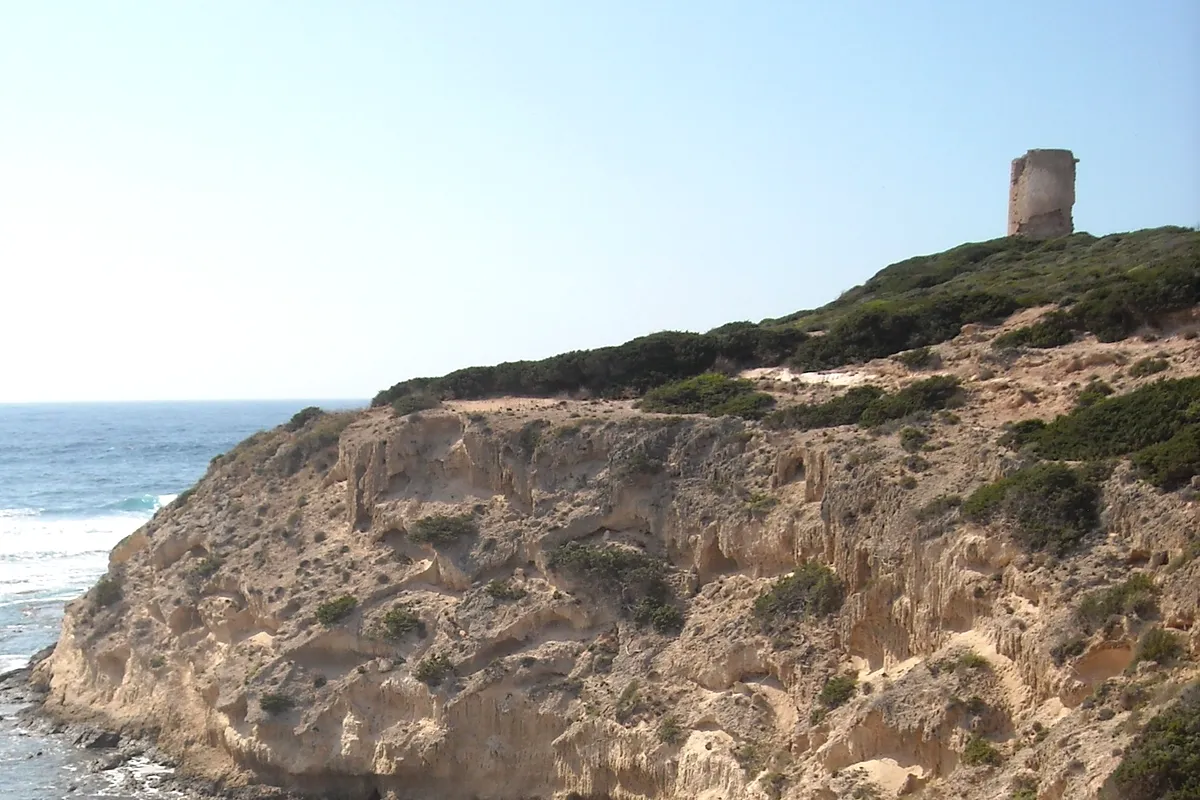
The island's west coast takes the strongest swells in Italy. Capo Mannu, on the Sinis peninsula, is the best-known mistral wave for experienced surfers, Porto Ferro near Alghero is the friendliest and most reliable beach, and the rocky coast from Buggerru to Funtanamare has powerful waves for those who can handle reef and boulders. Winter is the season, and summer is often flat.
Known for: Capo Mannu, Porto Ferro, Buggerru, Portixeddu, San Nicolò
Liguria and Tuscany
Liguria runs along the north-west coast, where Levanto is often called Italy's surfing centre, with a beach next to the railway station and several schools. Tuscany's long sandy coast is less crowded than its tourist reputation suggests, with beach breaks that work on the right wind. Waves are small to moderate and depend on the weather, with the best season from September to April.
Known for: Levanto
Lazio and the Tyrrhenian coast
Within an hour or so of Rome, the Lazio coast attracts city surfers when the wind and swell line up. Porto di Santa Marinella, roughly 50 kilometres west of the capital, is one of the better-known options. Waves are small and short-lived, so it works best for weekend sessions, learning and stand-up paddling rather than long surf trips.
Known for: Santa Marinella
Sicily
Sicily is well placed to pick up winter swell that crosses the western Mediterranean, and its coasts offer a mixture of beach breaks and reefs. Mondello, near Palermo, is a clear-water beach with consistent waves according to guides, and the east of the island is also named as a key area. The season is roughly October to April, with the best chance of surf in January and February.
Known for: Mondello
Learning to surf in Italy
Lessons are available at a number of Italian beaches, most of them concentrated in Liguria, Tuscany, Lazio and Sardinia. Levanto is a popular place for beginners, and Porto Ferro and San Nicolò in Sardinia are named as beaches where learners can find sandy-bottomed waves.
Because waves can be small, Italian schools often combine surfing with stand-up paddling and offer longer boards that catch whitewater. Ask the school what happens if the surf is flat and whether lessons are refunded or rescheduled.
Many schools close in winter, so check that the operator runs in the months you plan to visit. If you want to learn properly, consider a block of lessons in Portugal or France and then use Italy for travel and mixed trips.
Surfing in Italy: questions
Can you surf in Italy?
Yes. Italy has a small but active surf scene, with the best waves on Sardinia and Sicily and smaller options on the Ligurian, Tuscan and Lazio coasts. Waves depend on storms and wind.
When is the best time to surf in Italy?
Roughly October to April. Sardinia and Sicily usually produce their best surf in January and February, while summer is often flat.
Where is the best surfing in Italy?
Sardinia's west coast is the standout, with Capo Mannu for experts and Porto Ferro for everyone else. Levanto in Liguria and Mondello in Sicily are other well-known spots.
Is Italy good for beginners?
Sometimes. Levanto, Porto Ferro and a few other beaches have schools and sandy bottoms, but waves are small and irregular, so lessons depend on the day.
Do I need a wetsuit in Italy?
In winter, yes: a 4/3 is typical, with boots for windy days. In summer, a thin suit or lycra is enough, but waves are often too small to surf.
Sources & editorial notes
Country context checked against the sources below. Regional summaries are Book & Surf editorial planning suggestions, not forecasts or safety assessments.