The breaks
Recognised, publicly known surf spots around Thurso. Suitability depends on the day's swell, wind and tide, so treat the level as a guide, not a guarantee.
| Break | Type | Best for | Notes |
|---|---|---|---|
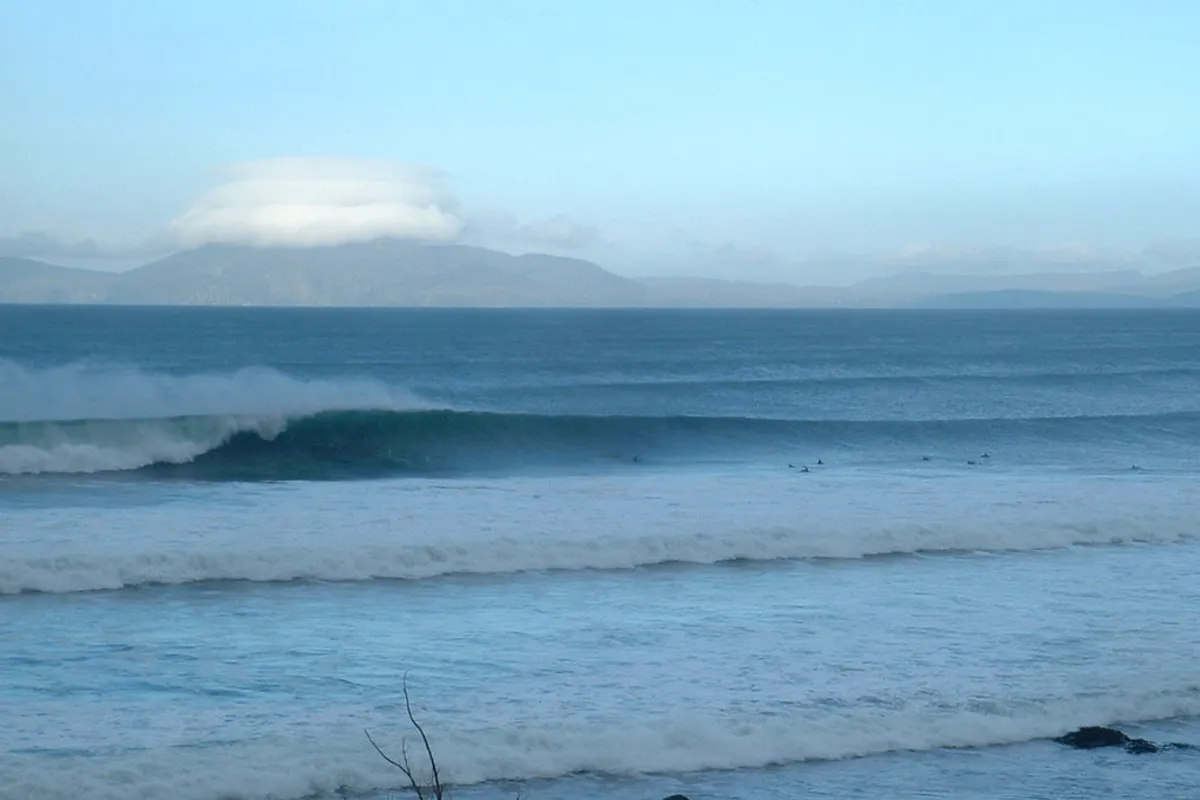
| Thurso East | Right-hand reef | Advanced | Scotland's most famous reef: fast, shallow and powerful, at its best on a north-north-west to west-north-west swell with south-easterly wind. Often crowded on good days. |
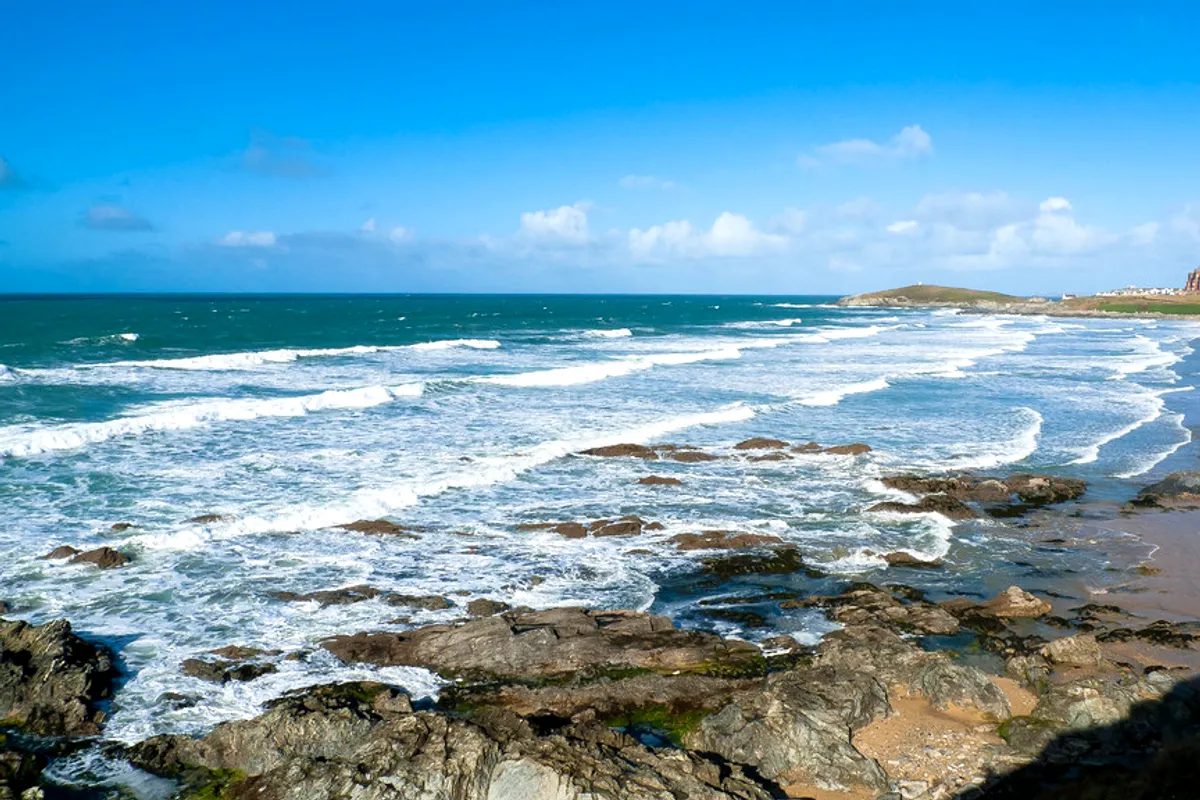
| Brims Ness | Exposed reef | Advanced | About 15 km west of Thurso, working on big north-westerly swells. Fewer people, but remote, cold and a long way from help. |
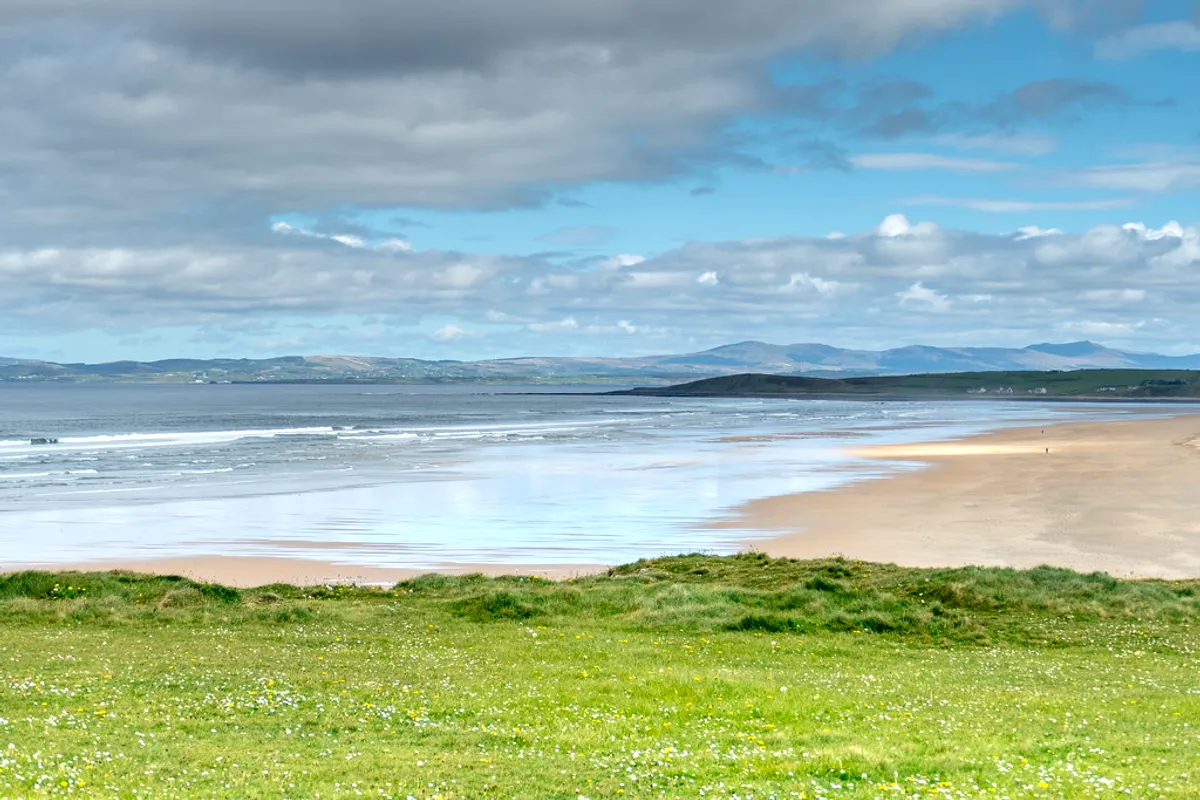
| Dunnet Bay | Beach break | Intermediate | About 8 km east of Thurso. A long sandy bay under the cliffs of Dunnet Head, suited to intermediates and longboarders when the reefs are too big. |
| Thurso Reef | Reef break | Advanced | A reef in the same area as Thurso East, recorded on forecast sites. Conditions depend on swell direction and tide; ask locally before paddling out. |
Full profile: Thurso East.
Thurso surf climate, measured
Ten years of ocean model data for the open water off this coast: what the swell usually looks like before it reaches the beach. Shelter, sandbars and reefs change what you actually surf, so read this next to the month notes below.
| Month | Swell | Period | From | Wind | Water | Wetsuit | Days over 2.5 m |
|---|---|---|---|---|---|---|---|
| Jan | 2.3 m | 12 s | NW | 24 km/h W | 8°C | 6/5 mm, boots, hood, gloves | 43% |
| Feb | 2.0 m | 12 s | W | 26 km/h W | 7°C | 6/5 mm, boots, hood, gloves | 30% |
| Mar | 1.7 m | 12 s | W | 23 km/h W | 7°C | 6/5 mm, boots, hood, gloves | 15% |
| Apr | 1.3 m | 10 s | N | 21 km/h SE | 7°C | 6/5 mm, boots, hood, gloves | 3% |
| May | 1.1 m | 9 s | W | 19 km/h E | 9°C | 6/5 mm, boots, hood, gloves | 5% |
| Jun | 0.9 m | 10 s | W | 20 km/h W | 10°C | 5/4 mm, boots | 3% |
| Jul | 0.9 m | 8 s | W | 17 km/h W | 12°C | 5/4 mm, boots | 0% |
| Aug | 0.9 m | 8 s | W | 17 km/h NW | 13°C | 4/3 mm full suit | 0% |
| Sep | 1.2 m | 10 s | W | 21 km/h S | 13°C | 4/3 mm full suit | 3% |
| Oct | 1.4 m | 11 s | W | 22 km/h W | 12°C | 5/4 mm, boots | 10% |
| Nov | 1.8 m | 11 s | W | 24 km/h SW | 11°C | 5/4 mm, boots | 33% |
| Dec | 1.9 m | 11 s | W | 19 km/h SW | 9°C | 6/5 mm, boots, hood, gloves | 13% |
Median values from ERA5 at a sea point near Thurso (58.5°N, 3.5°W), sampled 4 days a month at 12:00 UTC, 2015-2024. Highlighted months are our suggested planning window. Not a forecast or a safety assessment. How we use this data.
Book a surf trip to Thurso
Everything we can link you to for this trip, grouped by what you need. Before you pay a camp or school, read who holds your money, and check that your insurance covers surfing.
Where to stay
Search near the breaks. Filter for surf hostels, apartments or hotels once you can see the map.
Surf lessons and activities
Listings change by season, so check what the operator includes and who coaches.
Flights
Add your dates and check the board fee on every leg before you pay.
Car hire
Ask about roof racks and whether the insurance covers boards on the roof.
Airport transfer
Tell the driver you have a board and its length when you book.
Mobile data
Download a forecast app and offline maps before you land.
Flight delay claims
If a delay eats your first surf day, check whether you can claim.
Luggage storage
Useful between check-out and a late flight. Check the size limit before dropping a board.
Links marked as partner links may earn us commission at no cost to you; the rest earn us nothing. We have not checked live availability or price, and the seller's terms apply. How we handle this.
Cheapest months to fly to Thurso
Lowest return fare to INV that Aviasales users found recently, in US dollars. Treat these as a guide to which months are cheaper, not as prices you can book today.
| From | Nov 26 | Dec 26 |
|---|---|---|
| London | $72 | $59 |
Prices seen by 1 November 2026. Travelpayouts Data API. Board fees are extra on most airlines: see our surfboard baggage guide.
The edge of the mainland
Thurso is the northernmost town on the island of Great Britain, a small place of around 7,400 residents on the coast of Caithness. The railway station, which opened in 1874, is the most northerly in the UK and sits at the end of the Far North Line from Inverness. The A9 links the two by road.
The town overlooks the Orkney Islands across the Pentland Firth, and the nearby port of Scrabster runs the ferry to Stromness. That geography matters for surf. The coast is wide open to the North Atlantic, with nothing between the break and a long fetch of swell. Surf here is cold, powerful and honest, and the landscape of low cliffs, farmland and big skies is closer in character to Scandinavia than the south coast of England.
Thurso East and the reef at the river mouth
Thurso East is the wave that put the town on the surf map. It is a fast right-hander over shallow reef, close to the town centre, and it has hosted the European Surfing Championships and kayak surfing championships. Guides describe the best swell window as north-north-west to west-north-west, with offshore wind from the south-east. It works best in autumn and winter.
It is a serious wave. The reef is shallow, the line-up is small, and the water is cold enough to make mistakes more costly. Access is straightforward by British standards, with roadside parking and a short walk, but that convenience means the take-off area can be crowded on a good day. Surfers who are not confident in heavy reef waves should watch, not paddle out.
Brims Ness and the western reefs
About 15 kilometres west of Thurso, Brims Ness is a more exposed reef that works on large north-westerly swells when Thurso East is too big or closing out. It sees fewer people than Thurso East, but it is further from help, and conditions can be more demanding.
This stretch of coast has more rock than sand and few facilities. Bring food and warm clothes, tell someone where you are going and check your tide timings. If you are unfamiliar with the reef, a day of observation before surfing is a good use of time.
Dunnet Bay and the gentler options
Dunnet Bay lies about eight kilometres east of Thurso, below the cliffs of Dunnet Head, and offers a long sandy beach that works for intermediates and longboarders. It tends to be a better choice when the reefs are too big or too crowded, and it is where many local learners spend time.
Sand-bottomed waves are less hazardous than reef, but the conditions at Dunnet are no less cold or exposed. Offshore wind direction differs from Thurso East, so a day that is blown out on the reef may suit the bay. The beach has dunes behind it and a walking route towards the headland.
Cold-water kit for the Pentland coast
Water temperatures here stay low all year, rising only a little in late summer. A thick winter wetsuit with boots, gloves and a hood is the standard from autumn through spring, and many surfers wear a 5/4 or thicker in midwinter. Summer is more forgiving, but even then a 4/3 with boots is common.
Prepare for wind chill as well as water temperature. A changing robe, a flask of something hot and spare layers make the difference between a good day and a miserable one. Allow time to warm up after a session, especially if you are driving a long way afterwards.
Getting to Thurso from Inverness
The usual gateway is Inverness airport, followed by a long drive north along the A9, or a rail journey on the Far North Line to Thurso. Allow a long day for the whole trip, and check train times in advance because services are not frequent. The road is the more flexible choice for surfers with boards.
Once there, a car is almost essential. Thurso East is walkable from the town centre, but Brims Ness, Dunnet Bay and other breaks are spread across the coast. If you plan to take the ferry from Scrabster to Orkney, book ahead for vehicles and boards.
What else to do on a flat day
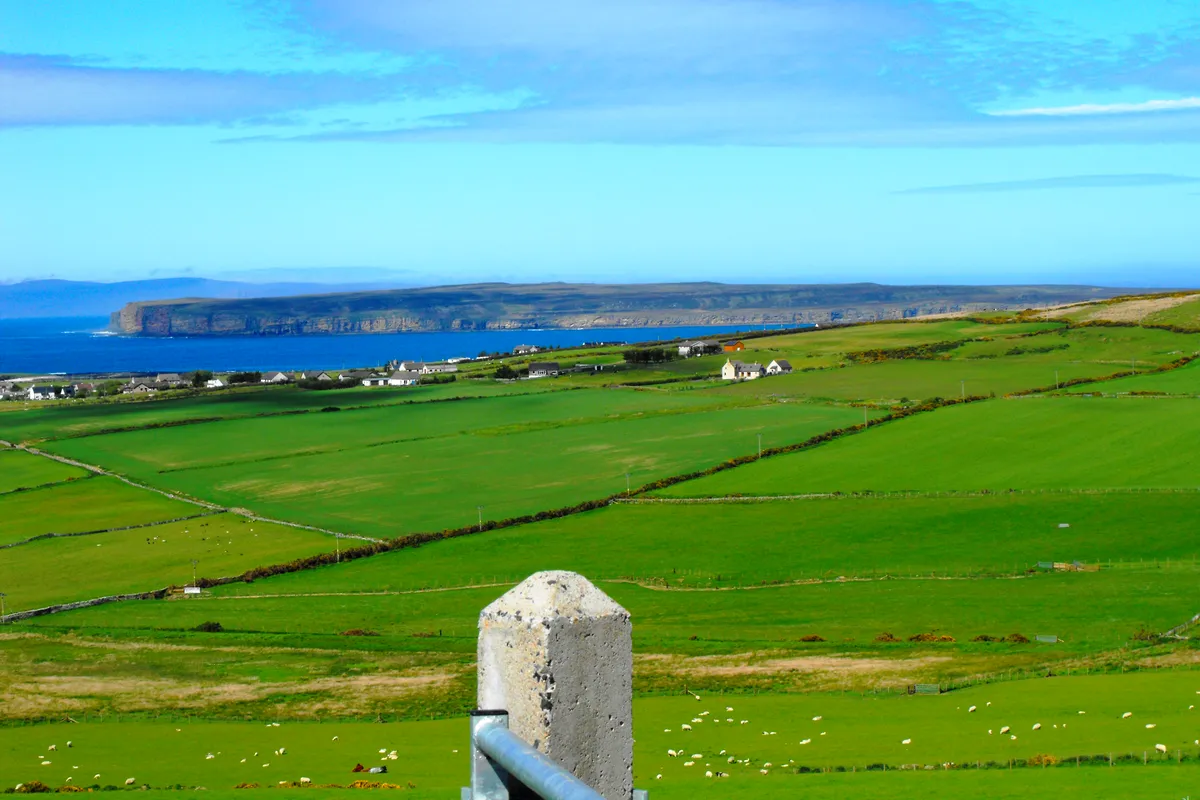
Dunnet Head, the northernmost point of mainland Britain, is a short drive away and gives views across the Pentland Firth. The ferry from Scrabster to Stromness takes you to Orkney for a day or a longer stay, with its own coastline and heritage sites.
In town, cafes and a surf shop provide somewhere to dry out. Summer days are long, and in midsummer it barely gets dark, which is a bonus for early and late sessions but a reminder to pace yourself.
Respect, safety and the local community
Thurso East's line-up is small and well known. Show humility, wait your turn and do not paddle around the pack. The local surf community has hosted international contests but still values courtesy.
Safety is serious. Shallow reef, cold water, long distances to help and variable weather all raise the stakes. Never surf alone at the remote breaks, and check the forecast and tide before heading out.
Thurso surf season month by month
A broad planning picture, not a forecast. Swell, wind and water temperature vary from year to year.
| January | Cold, windy and dark for much of the day, with the heaviest swell of the year. Only for well-equipped, experienced surfers with a thick wetsuit and boots. |
|---|---|
| February | Powerful swell and wintry weather. Fewer visitors, but conditions can change quickly and daylight is limited. |
| March | Swell remains consistent as days lengthen. Still very cold, but a good month for quieter sessions at the reefs. |
| April | Lengthening days, changeable weather and a smaller crowd. Thurso East may still deliver, but water temperature remains low. |
| May | Smaller surf and long evenings. A good time to try Dunnet Bay, with fewer surfers and workable light late in the day. |
| June | Near-constant daylight in the far north. Waves are mostly small, so it is more of a scenic trip than a surf mission. |
| July | Summer lull. Surf is small, though a passing swell can bring fun waves; the Orkney ferry and coast walks fill the gaps. |
| August | The warmest sea of the year, which is still cold. Occasional swell, and more visitors in town for holidays. |
| September | Autumn swell begins to arrive. Often described as the start of the season, with milder weather than winter. |
| October | Regular swell and colder water. Thurso East starts to work more consistently. |
| November | Bigger swell and shorter days. Experienced surfers come for the reef, while Dunnet Bay serves those who want an easier option. |
| December | Heavy surf, storms and very short days. Daylight and wind limit sessions, so plan carefully and surf with a partner. |
Learning to surf in Caithness
Caithness is not an easy place to learn. The water is cold throughout the year, the coast is exposed and the best-known waves are shallow reef. Beginners are better off learning on a warmer, gentler beach and coming here once they can handle themselves in the water.
Some local operators do offer lessons and rentals, mostly at the sandy bays such as Dunnet when conditions allow. Ask what wetsuit and boots are provided, how big the groups are and where the lesson will take place.
Intermediate surfers who want to progress on a reef can benefit from watching Thurso East for a day or two, talking to locals and choosing a smaller day to try. Take the line-up seriously and be prepared to sit on the shoulder.
Comparing options across the country? Read our guide to surfing in the UK.
Seasonal notes on this page describe typical patterns, not the conditions on a given day. Use the local forecast, lifeguard advice and a qualified instructor for water-safety decisions, and get a written breakdown of what any surf package includes before paying.
Thurso surf trip questions
Is Thurso good for beginners?
No. The water is cold all year, the coast is exposed and the best-known wave is a shallow reef. Dunnet Bay is gentler, but beginners will usually do better to learn elsewhere first.
When is the best time to surf in Thurso?
Autumn and winter generally bring the best swell, with September to March the main window. Summer is much smaller but offers long days and milder weather.
How do I get to Thurso?
Fly to Inverness, then drive north on the A9 or take the Far North Line by train to Thurso. A car is useful once you arrive.
What wetsuit do I need in Thurso?
A thick winter suit with boots, gloves and a hood is normal from autumn to spring, and many surfers wear a 5/4 or thicker in midwinter. A 4/3 with boots is typical in summer.
Can I visit Orkney from Thurso?
Yes. A ferry runs from nearby Scrabster to Stromness, so Orkney can be a day trip or a longer extension. Book vehicle space ahead if you are bringing a car and boards.
Sources & editorial notes
Destination context checked against the sources below. Base-selection and itinerary suggestions are Book & Surf editorial recommendations. Seasonal windows are broad planning suggestions, not measured forecasts or guarantees.
We do not claim to have personally surfed every break. Read our editorial standards.