The breaks
Recognised, publicly known surf spots around Phuket. Suitability depends on the day's swell, wind and tide, so treat the level as a guide, not a guarantee.
| Break | Type | Best for | Notes |
|---|---|---|---|
| Kata Beach | Beach break | Beginner–Intermediate | The island's main surf beach, with schools and rentals on the sand. Typically one to two metres at best and often smaller; best around mid-tide. |
| Kata Noi | Beach break | Intermediate | A smaller bay to the south with quicker, more powerful waves than the main beach. Can get crowded when the swell is up. |
| Karon Beach | Beach break | Beginner–Intermediate | A long, open beach north of Kata. Picks up swell but is primarily a swimming beach, so mind the flags and other water users. |
| Kalim | Beach/rock break | Intermediate | A small north-end wave reported to work when the swell is up. Sandbars and access can change, so ask locally first. |
| Surin and Bang Tao | Beach break | Beginner–Intermediate | Beaches on the north-west coast with sandbars that shift each monsoon. Surin has hosted contests; quality depends on the year. |
Phuket surf climate, measured
Ten years of ocean model data for the open water off this coast: what the swell usually looks like before it reaches the beach. Shelter, sandbars and reefs change what you actually surf, so read this next to the month notes below.
| Month | Swell | Period | From | Wind | Water | Wetsuit | Days over 2.5 m |
|---|---|---|---|---|---|---|---|
| Jan | 0.3 m | 3 s | SE | 12 km/h E | 29°C | Boardshorts | 0% |
| Feb | 0.4 m | 3 s | SE | 15 km/h E | 29°C | Boardshorts | 0% |
| Mar | 0.4 m | 3 s | W | 13 km/h NW | 30°C | Boardshorts | 0% |
| Apr | 0.4 m | 3 s | W | 14 km/h NW | 30°C | Boardshorts | 0% |
| May | 0.5 m | 3 s | W | 13 km/h NW | 31°C | Boardshorts | 0% |
| Jun | 0.8 m | 7 s | W | 18 km/h W | 30°C | Boardshorts | 0% |
| Jul | 0.8 m | 7 s | W | 16 km/h W | 30°C | Boardshorts | 0% |
| Aug | 0.8 m | 4 s | W | 21 km/h W | 29°C | Boardshorts | 0% |
| Sep | 0.7 m | 4 s | W | 19 km/h W | 29°C | Boardshorts | 0% |
| Oct | 0.5 m | 4 s | W | 16 km/h W | 29°C | Boardshorts | 0% |
| Nov | 0.4 m | 4 s | SW | 10 km/h NE | 29°C | Boardshorts | 0% |
| Dec | 0.4 m | 3 s | E | 16 km/h NE | 29°C | Boardshorts | 0% |
Median values from ERA5 at a sea point near Phuket (8°N, 98.25°E), sampled 4 days a month at 12:00 UTC, 2015-2024. Highlighted months are our suggested planning window. Not a forecast or a safety assessment. How we use this data.
Book a surf trip to Phuket
Everything we can link you to for this trip, grouped by what you need. Before you pay a camp or school, read who holds your money, and check that your insurance covers surfing.
Where to stay
Search near the breaks. Filter for surf hostels, apartments or hotels once you can see the map.
Surf lessons and activities
Listings change by season, so check what the operator includes and who coaches.
Flights
Add your dates and check the board fee on every leg before you pay.
Car hire
Ask about roof racks and whether the insurance covers boards on the roof.
Airport transfer
Tell the driver you have a board and its length when you book.
Scooter or motorbike
Check your licence and your insurance cover before you ride.
Mobile data
Download a forecast app and offline maps before you land.
Flight delay claims
If a delay eats your first surf day, check whether you can claim.
Luggage storage
Useful between check-out and a late flight. Check the size limit before dropping a board.
Links marked as partner links may earn us commission at no cost to you; the rest earn us nothing. We have not checked live availability or price, and the seller's terms apply. How we handle this.
Cheapest months to fly to Phuket
Lowest return fare to HKT that Aviasales users found recently, in US dollars. Treat these as a guide to which months are cheaper, not as prices you can book today.
| From | Nov 26 | Dec 26 | Jan 27 | Feb 27 | Mar 27 | Apr 27 |
|---|---|---|---|---|---|---|
| London | $587 | $563 | $575 | $619 | $603 | $712 |
| New York | $869 | $1279 | $867 | $856 | – | $936 |
| Los Angeles | $667 | $838 | $836 | $879 | – | – |
| Sydney | $518 | $1164 | $623 | $420 | – | – |
| Frankfurt | $528 | $566 | $653 | $654 | $591 | $646 |
Prices seen by 1 November 2026. Travelpayouts Data API. Board fees are extra on most airlines: see our surfboard baggage guide.
Phuket's surf in honest terms
Phuket is not a world-class surf destination, and the better guides say so. The island faces the Andaman Sea, which does not receive the ocean swell that reaches Bali or Sri Lanka. What it gets are wind-driven and monsoon swells, mostly small to moderate, and they arrive in the wettest months of the year.
That said, small waves are useful. The sand-bottom beach breaks are forgiving, the water is warm and the island has plenty of infrastructure for visitors. If you want a first lesson in a tropical setting, a few days of surf practice around a holiday on Phuket is realistic. If you want long, powerful waves, go elsewhere in Indonesia or Sri Lanka.
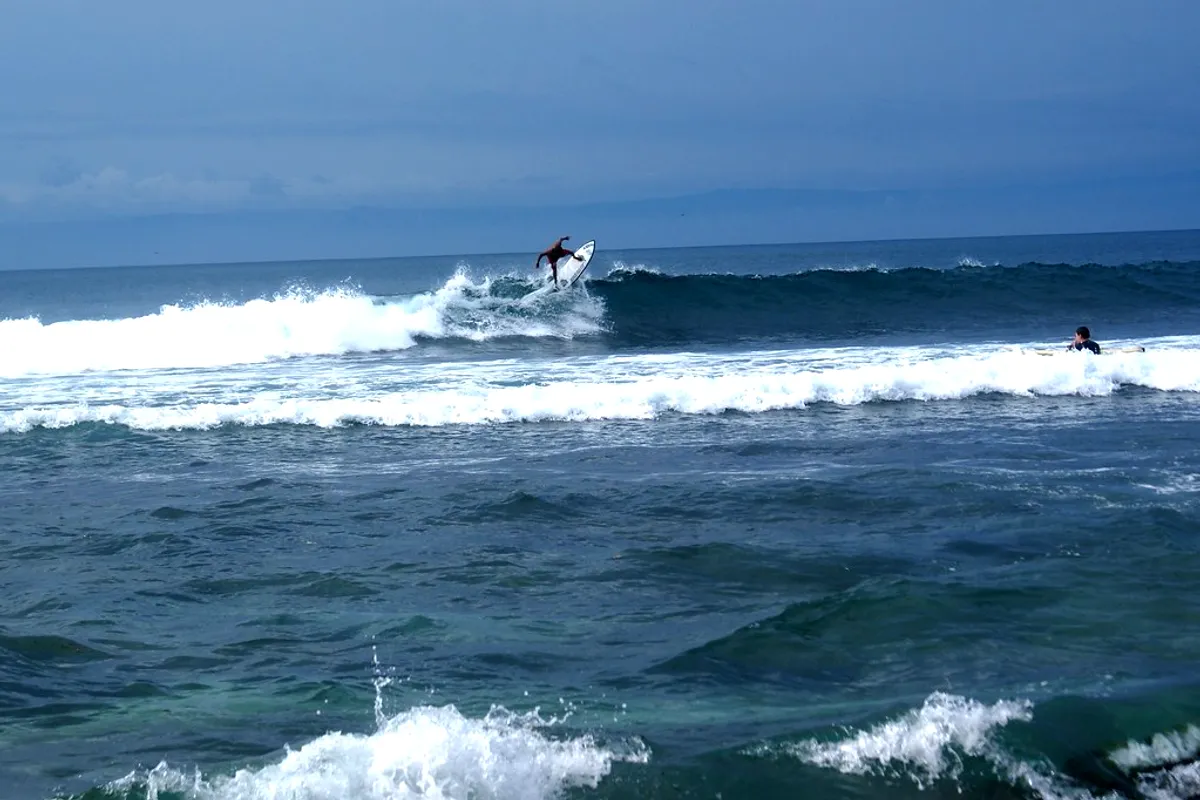
On the best days in the middle of the season, wave heights of one to two metres are quoted for the main beach, with a few days approaching three metres in July and August. Expect most sessions to be smaller than that, and many days to be flat.
Kata, Kata Noi and the west-coast beaches
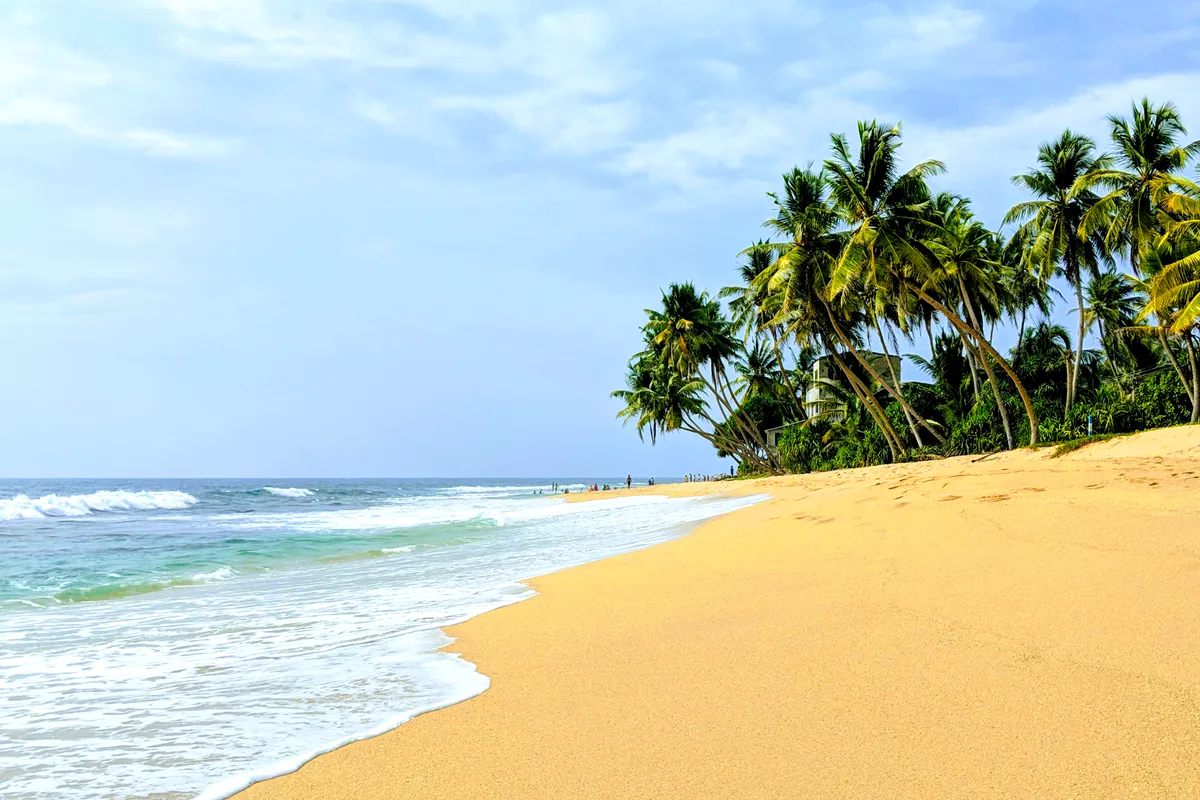
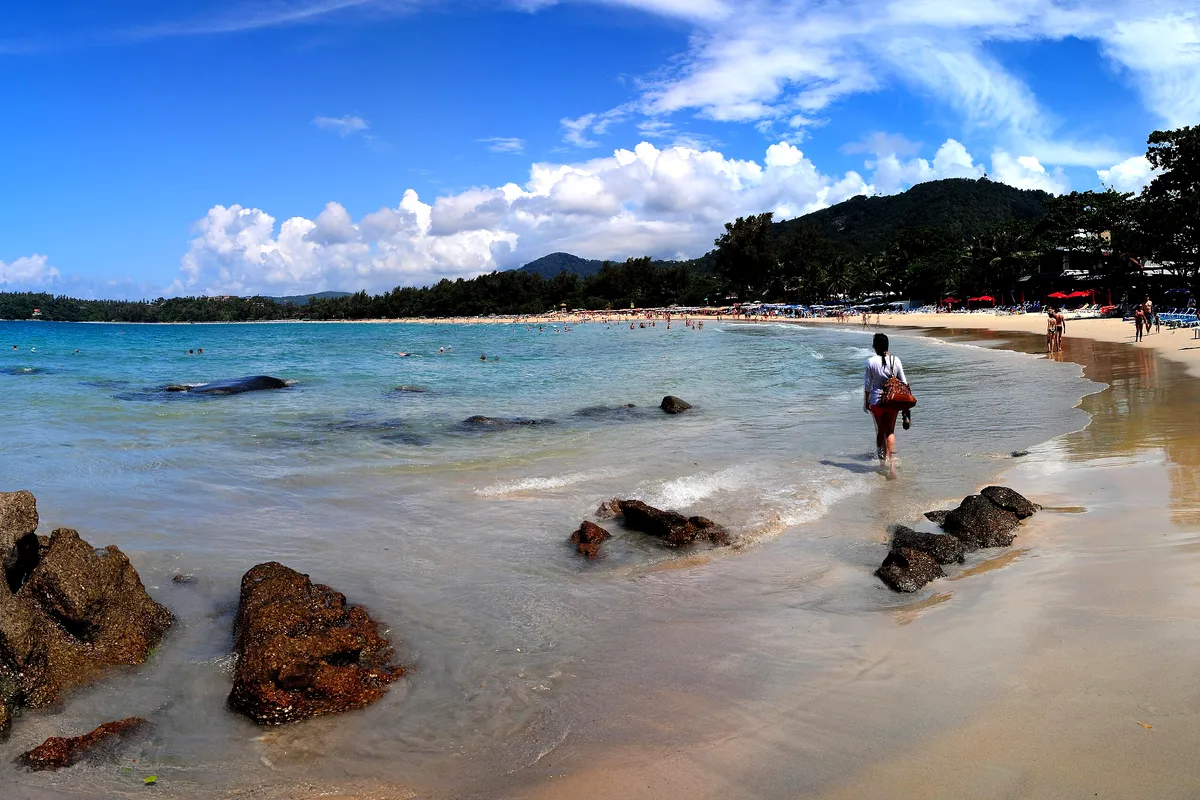
Kata Beach is the island's surf hub. It is a wide bay on the south-west coast, with the beach break working best at mid-tide according to most accounts. Surf schools and rental shops set up on the sand during the season, and beginners can learn on the soft white water.
Kata Noi, the smaller bay to the south, is described as having quicker, more powerful waves than the main beach. It is also smaller, so it can feel crowded if the swell is up. Karon to the north is a long, open beach that picks up swell but is mainly a swimming beach.
To the north, Kalim is described as a good little spot when the swell is up, while Surin and Bang Tao are mostly associated with contests and sandbars that move every monsoon. Local advice matters here, because the sand can change from one season to the next.
The monsoon calendar
Phuket's wet season runs for about eight months of the year, from roughly April or May to November or December, and the dry season runs from December to March. The surf season follows the south-west monsoon, from about May to October, with swell peaking in July and August.
In practice, this means that the best surf coincides with the rainiest months. Expect cloud, heavy showers and onshore winds on many days. The sea can be messy, and lifeguards fly red flags on the west-coast beaches in the monsoon months. Swimmers should respect those flags, and surfers should treat them as a serious hazard warning.
In the dry season, from December to March, the west coast is generally calm and flat, and most visitors come for the beach rather than the waves. If you visit then, consider the east coast of the Gulf of Thailand, or accept that you may not surf at all.
Getting to Phuket and around the island
Phuket International Airport (HKT) is on the north of the island and has regular connections with Bangkok and other Thai cities, as well as international routes. From the airport, Kata is on the south-west coast, and the trip takes roughly an hour by road depending on traffic. Taxis, private transfers and minibuses run to the main beaches.
The island is about 48 kilometres long and 21 kilometres wide, with Phuket Town as the provincial capital. The west coast beaches include Kamala, Patong, Karon and Kata. Patong is the most developed and busiest; Karon is the second major tourist beach; Kata is calmer, with a surf scene.
A scooter is the most flexible way to get around, but traffic accidents involving visitors are common. Wear a helmet, ride defensively and check your travel insurance covers motorcycle use.
Where to stay for the surf
Kata and Kata Noi are the natural bases for surf. There are guesthouses, hotels and restaurants within a short walk of the beach, and surf shops line the road in season. Karon is a short ride north and is busier. Kalim and Surin are quieter but depend on transport.
Patong is the nightlife centre and is a poor base for surf: it is further from the useful waves and has a very different atmosphere. If you want a quieter stay, look at the less-developed south or the northern beaches, but remember that facilities close up in the monsoon months.
Prices vary widely by season. The monsoon is the low season for accommodation, so you may find better rates, although the weather is wetter. Do not assume that every beachfront business will be open year-round.
Safety: rips, red flags and tsunami history
The same monsoon swell that creates waves also creates strong rip currents. Red flags are flown on the west coast during the monsoon, and swimming beyond them is dangerous. Surfers should check conditions each day and avoid surfing alone.
Phuket's west coast was hit by the 26 December 2004 Indian Ocean tsunami, which caused deaths on the island and damage to beaches such as Kata. Tsunami warning towers and evacuation signs now exist in many beach areas. Learn the evacuation signs when you arrive.
Sun exposure, jellyfish in some seasons and sea urchins on rocky patches are minor but real risks. If you hire a board, check for dings and cracks before you paddle out.
Rainy-day and flat-day options
Because the best surf comes with the wettest weather, you will probably have flat or wet days. Phuket Town has old Sino-Portuguese shophouses and a lively food scene, and the island has temples, viewpoints and a nature reserve at its northern end. Boat trips to the Phang Nga area and nearby islands run when the sea allows.
If the monsoon is cancelling the surf, the Gulf of Thailand on the other side of the country sees its best waves in the opposite months, roughly November to March. That is a long way to travel for a small wave, but it is the logic behind combining two coasts.
In short, set your expectations accordingly. Phuket is a good place to learn, to ride small waves and to combine surfing with an ordinary tropical holiday.
Phuket surf season month by month
A broad planning picture, not a forecast. Swell, wind and water temperature vary from year to year.
| January | Dry season with calm seas and sunshine. The west coast is usually flat, so this is a beach month, not a surf month. |
|---|---|
| February | Still dry and calm. Surf is rare, but the weather is at its best for general sightseeing. |
| March | Hot and dry, with very little swell. A quiet month for surfers, though a stray swell is possible. |
| April | A shoulder month. The monsoon starts to approach and a few small swells may reach the beaches. |
| May | The wet season starts and swell builds. Kata starts working for lessons, though the weather is changeable. |
| June | Reasonably consistent small to medium waves on the west coast, with showers and onshore wind common. |
| July | Peak swell, and some days may reach around three metres. Red flags are frequent and rips can be strong. |
| August | Similar to July, with plenty of surf days but rough, windy conditions. Shop around for cheaper accommodation. |
| September | Swell remains regular and the island is quiet. Wet weather continues, and sandbars may be changing. |
| October | The tail of the surf season. Rain is heavy but waves are still possible, especially at the end of the monsoon. |
| November | Transition to the dry season. Swell fades and the weather improves, with fewer surf days. |
| December | The dry season begins and the west coast calms. Holiday crowds arrive, but surf is generally small or flat. |
Learning to surf in Phuket
Phuket is a sensible place for a first or second lesson, provided you go in the right months. Kata Beach has surf schools and rental shops during the monsoon season, and the soft sand bottom makes falling less painful than on a reef.
Pick a school that checks the flags and conditions every day and will cancel a lesson when the sea is unsafe. Rips are a genuine hazard here, so choose instructors who talk about them. Ask about group size, equipment and how long you will be in the water.
The waves are small, so progress comes from time in the water rather than from the quality of the break. If you want to keep improving, plan a second stop in Sri Lanka or Indonesia where the waves are more consistent.
Comparing options across the country? Read our guide to surfing in Thailand.
Seasonal notes on this page describe typical patterns, not the conditions on a given day. Use the local forecast, lifeguard advice and a qualified instructor for water-safety decisions, and get a written breakdown of what any surf package includes before paying.
Phuket surf trip questions
Is Phuket good for surfing?
It is good for beginners and small-wave fun, not for powerful surf. Waves come from the south-west monsoon between May and October and are typically small to moderate, with conditions often affected by wind and rain.
When is the best time to surf in Phuket?
May to October, with swell peaking around July and August. This is also the wet season, so expect rain and onshore wind. From December to March the west coast is usually calm and flat.
Where is the best place to learn to surf in Phuket?
Kata Beach is the main surf hub, with schools and rentals during the season. Kata Noi has faster waves and is better for those with some experience.
Are there dangers when surfing in Phuket?
Rip currents are the main hazard in the monsoon, and red flags are flown on the west coast. Scooter accidents are another risk for visitors. Learn the tsunami evacuation signs, as the 2004 tsunami affected the west coast.
Can you surf in Phuket during the dry season?
Rarely. From December to March the west coast is generally calm. If you want to surf then, you would need to look at the Gulf of Thailand coast, where the waves are small but the season runs in the opposite months.
Sources & editorial notes
Destination context checked against the sources below. Base-selection and itinerary suggestions are Book & Surf editorial recommendations. Seasonal windows are broad planning suggestions, not measured forecasts or guarantees.
- Wikipedia: Phuket Province ↗
- Phuket 101: best beaches for surfing in Phuket ↗
- Time Out Phuket: a surfer's guide to Phuket ↗
- Tourism Authority of Thailand: Phuket ↗
We do not claim to have personally surfed every break. Read our editorial standards.