The breaks
Recognised, publicly known surf spots around Porto & Matosinhos. Suitability depends on the day's swell, wind and tide, so treat the level as a guide, not a guarantee.
| Break | Type | Best for | Notes |
|---|---|---|---|
| Matosinhos | Beach break | Beginner–Intermediate | The main city beach and hub of Porto's surf schools. Sandy bottom and consistent waves across much of the tide, but crowded at weekends and with strong rips in bigger swell. |
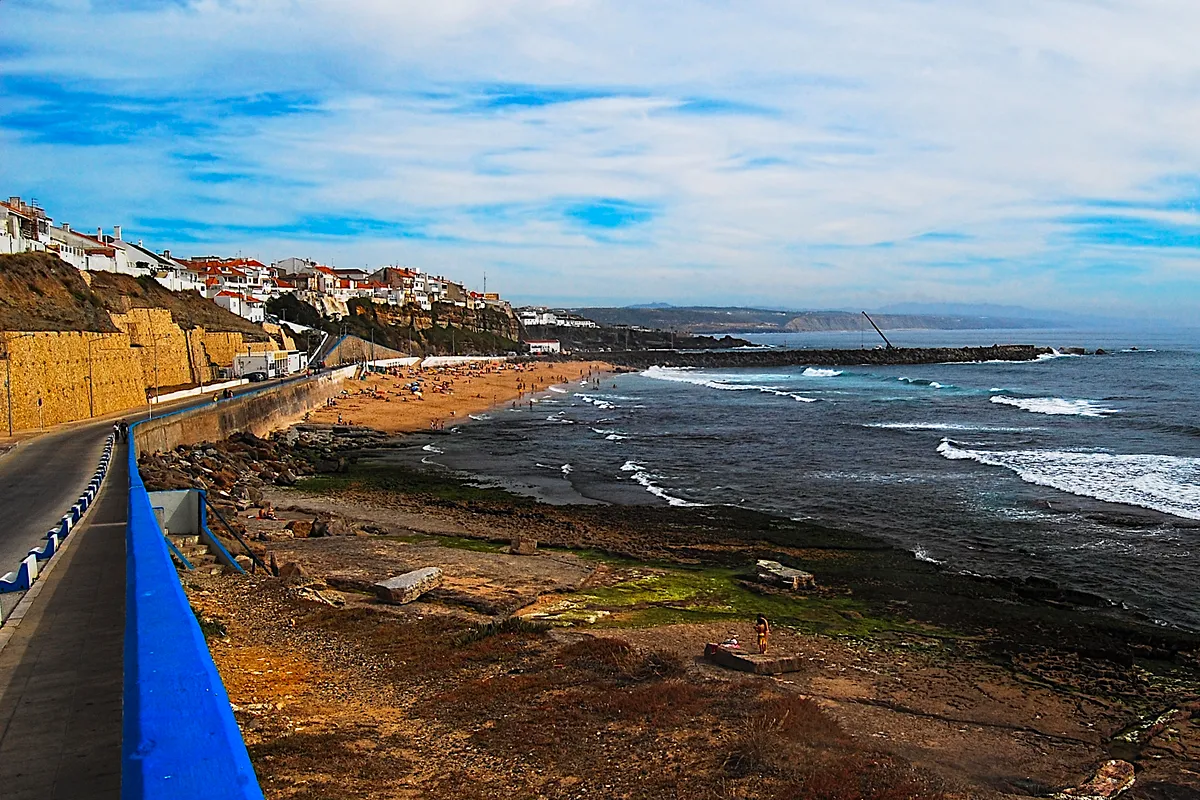
| Leça da Palmeira | Beach break | Intermediate–Advanced | North of the harbour, with a longer beach and heavier waves than Matosinhos. Quieter, but less forgiving, and rocks sit close to the shoreline at the northern end. |
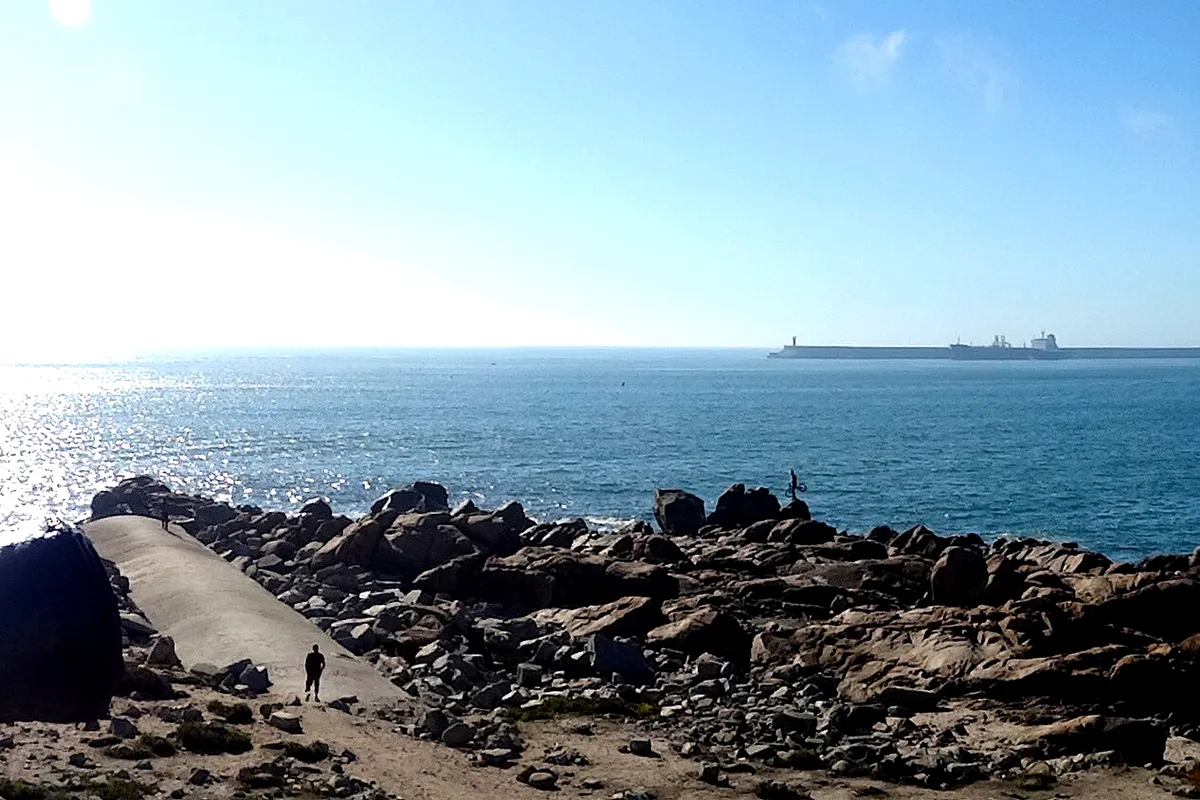
| Espinho | Jetty and beach break | Intermediate–Advanced | Harbour walls shape right-hand waves when the banks line up. A competitive local line-up, submerged rocks and currents along the walls make it unsuitable for learners. |
| Aguda | Beach break | Intermediate | A quieter option south of the city, with a more relaxed atmosphere than Matosinhos. Conditions change quickly with the tide, so check locally before you paddle out. |
| Angeiras | Beach and rock reef | Intermediate | North of Matosinhos. Sources disagree on its suitability: reefs make some sections unsafe for learners, so only surf it with local advice. |
Porto & Matosinhos surf climate, measured
Ten years of ocean model data for the open water off this coast: what the swell usually looks like before it reaches the beach. Shelter, sandbars and reefs change what you actually surf, so read this next to the month notes below.
| Month | Swell | Period | From | Wind | Water | Wetsuit | Days over 2.5 m |
|---|---|---|---|---|---|---|---|
| Jan | 2.1 m | 12 s | NW | 16 km/h N | 14°C | 4/3 mm full suit | 40% |
| Feb | 2.4 m | 13 s | NW | 18 km/h S | 14°C | 4/3 mm full suit | 45% |
| Mar | 2.3 m | 12 s | NW | 15 km/h NW | 14°C | 4/3 mm full suit | 43% |
| Apr | 1.6 m | 11 s | W | 16 km/h SW | 14°C | 4/3 mm full suit | 18% |
| May | 1.5 m | 10 s | NW | 15 km/h NW | 16°C | 3/2 mm full suit | 5% |
| Jun | 1.1 m | 10 s | NW | 14 km/h NW | 17°C | 3/2 mm full suit | 0% |
| Jul | 1.1 m | 9 s | NW | 16 km/h NW | 17°C | 3/2 mm full suit | 0% |
| Aug | 1.2 m | 9 s | NW | 16 km/h NW | 17°C | 3/2 mm full suit | 0% |
| Sep | 1.2 m | 11 s | NW | 11 km/h NW | 17°C | 3/2 mm full suit | 3% |
| Oct | 1.5 m | 12 s | W | 13 km/h S | 17°C | 3/2 mm full suit | 13% |
| Nov | 1.6 m | 12 s | NW | 15 km/h S | 16°C | 3/2 mm full suit | 23% |
| Dec | 1.8 m | 12 s | NW | 14 km/h S | 15°C | 4/3 mm full suit | 28% |
Median values from ERA5 at a sea point near Porto & Matosinhos (41.25°N, 8.75°W), sampled 4 days a month at 12:00 UTC, 2015-2024. Highlighted months are our suggested planning window. Not a forecast or a safety assessment. How we use this data.
Book a surf trip to Porto & Matosinhos
Everything we can link you to for this trip, grouped by what you need. Before you pay a camp or school, read who holds your money, and check that your insurance covers surfing.
Where to stay
Search near the breaks. Filter for surf hostels, apartments or hotels once you can see the map.
Surf lessons and activities
Listings change by season, so check what the operator includes and who coaches.
Flights
Add your dates and check the board fee on every leg before you pay.
Car hire
Ask about roof racks and whether the insurance covers boards on the roof.
Airport transfer
Tell the driver you have a board and its length when you book.
Mobile data
Download a forecast app and offline maps before you land.
Flight delay claims
If a delay eats your first surf day, check whether you can claim.
Luggage storage
Useful between check-out and a late flight. Check the size limit before dropping a board.
Links marked as partner links may earn us commission at no cost to you; the rest earn us nothing. We have not checked live availability or price, and the seller's terms apply. How we handle this.
Cheapest months to fly to Porto & Matosinhos
Lowest return fare to OPO that Aviasales users found recently, in US dollars. Treat these as a guide to which months are cheaper, not as prices you can book today.
| From | Nov 26 | Dec 26 | Jan 27 | Mar 27 | Apr 27 | May 27 |
|---|---|---|---|---|---|---|
| London | $62 | $136 | – | $147 | – | $230 |
| New York | – | $1238 | $363 | – | – | – |
| Frankfurt | $99 | $213 | $197 | $231 | $175 | – |
Prices seen by 1 November 2026. Travelpayouts Data API. Board fees are extra on most airlines: see our surfboard baggage guide.
A surf beach inside a city's reach
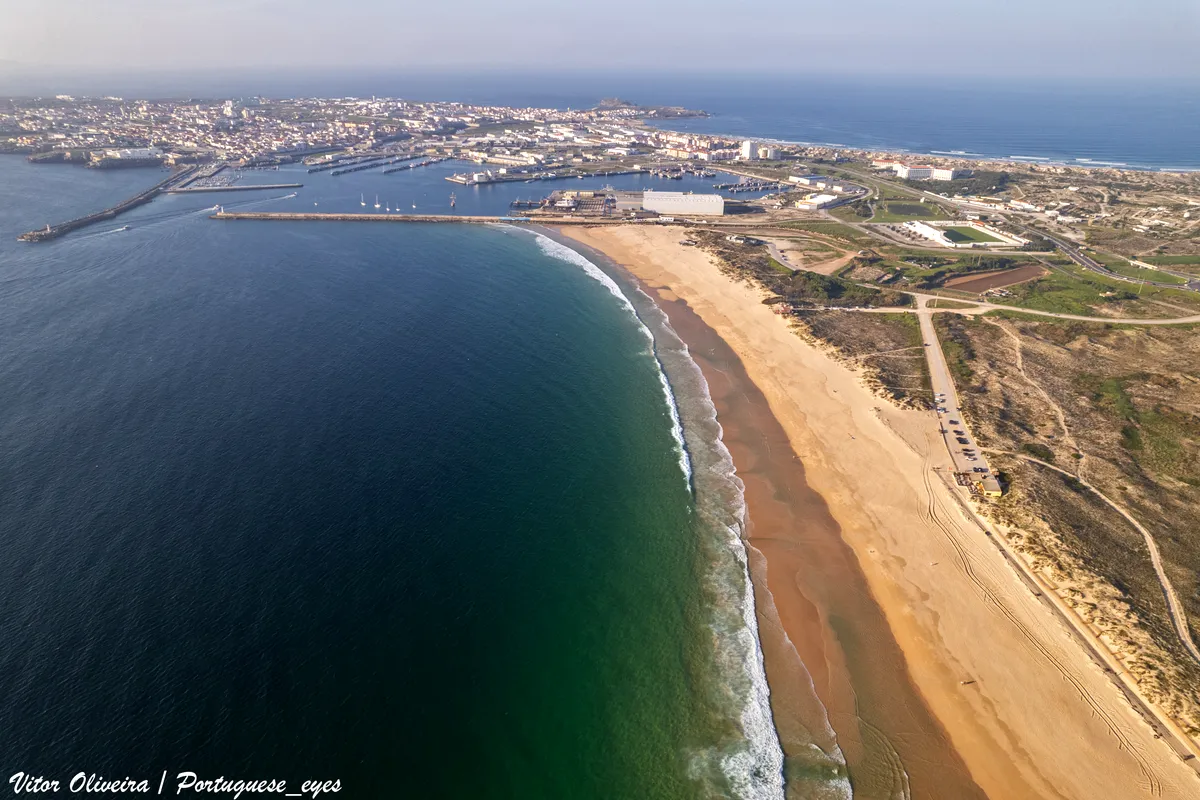
Most surf trips ask you to leave the city behind. Porto turns that around. Matosinhos sits at the mouth of the Leça river, about eight kilometres from the centre of Porto, and the Atlantic forms the western edge of the municipality. The beach there is a long stretch of sand in front of a seafront promenade lined with fish restaurants, and on most days a handful of surfers are already in the water before the cafés open.
The appeal is convenience rather than perfection. You will not find the carved reefs of Ericeira or the long point waves of the Algarve here. What you get is a wide, sandy-bottomed beach that works across a broad range of swell sizes, a surf-school scene concentrated in one place and an airport that is close enough to make a long weekend realistic. For anyone whose trip is mainly about Porto and who wants a few sessions on the side, that is hard to beat.
Reading the sandbanks north and south of the port
The coast around Porto is mostly beach break, which means the waves depend on shifting sandbanks, the tide and the direction of the swell. The breakwaters of the Port of Leixões, built in the late nineteenth century to give Porto a sheltered harbour, interrupt the coast and shield parts of the beach from some swell directions. That is one reason Matosinhos can still be surfable when exposed sections elsewhere are too big.
North of the harbour, Leça da Palmeira and the beaches beyond it face the open ocean with fewer people on them, and the waves are often punchier. South of Matosinhos the shoreline runs down through Foz do Douro and the city beaches towards Espinho. Check the forecast for swell period as well as height: short-period wind swell turns these beaches into mush, while a long-period groundswell can make them heavy and fast. In winter the whole coast is exposed, so a small sheltered corner and a patient eye for rips matter more than a long list of named spots.
Espinho and the harbour walls
Espinho, a beach resort around half an hour south of the city, has a reputation for harder waves than Matosinhos. The harbour walls give some rights a defined shape when the banks line up, and the town has a long-standing local surf community that does not necessarily welcome crowds of learners at the main peak. Treat it as an intermediate and advanced venue.
The walls themselves bring hazards: submerged rocks, strong currents running along the structures and a take-off area that can be tight. If you are unsure, watch for half an hour before paddling out, and let a local surf shop tell you how the tide is changing the banks. Espinho is also a pleasant stop on the way to Aveiro or the southern beaches if you are travelling with a car.
Where beginners go in Porto
Beginners are well served at Matosinhos, which is why the town is often described as the centre of Porto's surf-school scene. The sand is forgiving, the beach is wide enough to spread groups out and lessons run for most of the year, including winter days when the surf is small enough to be suitable.
Some visitors are drawn to quieter stretches such as Aguda or Angeiras. Descriptions of Angeiras vary: one guide recommends it for relaxed waves while another points out rock reefs that make it unsuitable for many learners. Take that disagreement seriously and ask a local instructor on the day rather than trusting a blog. Whatever the beach, lessons here are usually in cold water, so a thick wetsuit, boots and a hood in winter are not optional extras.
Neighbourhoods to stay in
Staying in Matosinhos itself puts you a short walk from the beach and from the fish restaurants that made the town's name. It is a good base if surfing is the point of the trip and you are happy to take the metro into Porto for the day. Leça da Palmeira, immediately to the north, is quieter and has a coast of rock pools, a lighthouse and a historic fort.
Staying in Porto's riverside districts puts you in the middle of the city's food and music, with the beach reached by metro or bus in around half an hour. If you want to be able to check the surf before breakfast, choose Matosinhos. If you are mainly a visitor to the city with a couple of sessions planned, central Porto is more flexible and usually has the larger choice of places to stay.
Getting from the airport to the sand
Francisco Sá Carneiro airport lies partly within the Matosinhos municipality, which makes this one of the shortest airport-to-beach transfers in European surfing. A taxi or ride-hailing car can reach the seafront in well under half an hour in normal traffic, and Porto's metro runs between the airport and the city centre with connections towards the coast.
You do not need a car for a short stay centred on Matosinhos. For Espinho, the beaches further north or the surrounding countryside, a car or the regional train is more practical. If you bring your own board, confirm the airline's fees and the board bag size limit before you travel, because the cost can approach the price of renting locally.
A weekend that mixes both
A realistic plan is to land on a Friday, surf at dawn on Saturday, then spend the afternoon in the old town above the river, crossing the Dom Luís I bridge for views of the port wine lodges. Sunday morning can bring another session before an evening flight. If the swell is too big or the wind has turned onshore, Porto is a city with enough to do that a flat day costs nothing.
On a longer stay, add a day trip to the Douro valley or a stop at the tidal pools of Leça da Palmeira, a swimming facility built among the shoreline rocks. The nearby coast is also open to cycling and walking along the promenade, which suits non-surfing travelling companions.
Porto & Matosinhos surf season month by month
A broad planning picture, not a forecast. Swell, wind and water temperature vary from year to year.
| January | Cold water, short days and large winter swell. Matosinhos can stay surfable when other beaches are too big, but only for experienced surfers on the biggest days; a 5/4 with boots is typical. |
|---|---|
| February | Consistent but cold and often wet. Quiet in the water on weekdays, with the biggest waves of the year at exposed beaches; beginners should only go with a school. |
| March | Swell remains regular while the days lengthen. Changeable weather, so build a spare day into the plan; a 4/3 wetsuit is usually enough. |
| April | A good shoulder month. Waves are more manageable than in midwinter, crowds are small and lessons run most days, although the water is still cool. |
| May | Smaller swells and warmer days. Reliable for beginners, with afternoon northerlies appearing so mornings are the better time to surf. |
| June | Often small and gentle, ideal for first lessons. The city is lively with festival season and long evenings, and beaches fill up at weekends. |
| July | Busy beaches, small to moderate surf and strong afternoon wind. Lessons are plentiful; experienced surfers may find it underpowered. |
| August | The warmest and most crowded month. Water is still on the cool side, and the best surf is usually at dawn before the wind builds. |
| September | Autumn swells begin to arrive while the sea remains comfortable. Often a sweet spot for intermediates, with the summer crowds thinning. |
| October | Regular groundswell and lighter wind on many days. Arguably the best month for a mix of city and surf, with all the local beaches in play. |
| November | Bigger, more powerful swell and more rain. Excellent for experienced surfers, though the water is cooling and the beaches can get heavy. |
| December | Short days, strong swell and a quiet surf scene. Cold water and strong rips mean this is not a month for first-timers without a school. |
Learning to surf around Porto
Matosinhos is the practical choice for a first lesson. Several schools operate from the beach, lessons run for most of the year, and the city is close enough that you can fit a two-hour session into a city break. Group lessons are common, and many schools will include a wetsuit and board in the price.
Ask how many students there are per instructor, whether the school will move beaches if the surf is too big, and whether lessons include a safety briefing on rips and on the sandbanks. In winter, expect cold water and weather that can change the plan at short notice.
Once you can stand and turn, a few days of coaching at Matosinhos or Aguda helps you start reading the banks. Leave Espinho and the harder north-of-harbour waves until an instructor tells you that you are ready.
Comparing options across the country? Read our guide to surfing in Portugal.
Seasonal notes on this page describe typical patterns, not the conditions on a given day. Use the local forecast, lifeguard advice and a qualified instructor for water-safety decisions, and get a written breakdown of what any surf package includes before paying.
Porto & Matosinhos surf trip questions
Can you surf in Porto?
Yes. Matosinhos, on the northern edge of the city, is a long sandy beach with a concentration of surf schools, and further beaches lie north and south. Waves are mostly beach break and work best in autumn and spring.
How far is Matosinhos from Porto airport?
The airport lies partly within the Matosinhos municipality, so the transfer is short. A taxi usually takes well under half an hour; the metro serves the airport and links to the city.
Is the water cold in Porto?
Yes, among the coldest in mainland Portugal. A 3/2 wetsuit suffices at the height of summer, but most of the year calls for a 4/3, and winter surfers use a 5/4 with boots and sometimes a hood.
Is Porto good for beginners?
Matosinhos is a good place to learn, thanks to a wide sandy beach and many schools. Rips and crowds can be a problem on bigger days, so book lessons rather than going out alone.
Do I need a car to surf near Porto?
Not for a stay based at Matosinhos. A car or train helps if you want to reach Espinho, quieter beaches further along the coast or the Douro valley.
Sources & editorial notes
Destination context checked against the sources below. Base-selection and itinerary suggestions are Book & Surf editorial recommendations. Seasonal windows are broad planning suggestions, not measured forecasts or guarantees.
We do not claim to have personally surfed every break. Read our editorial standards.