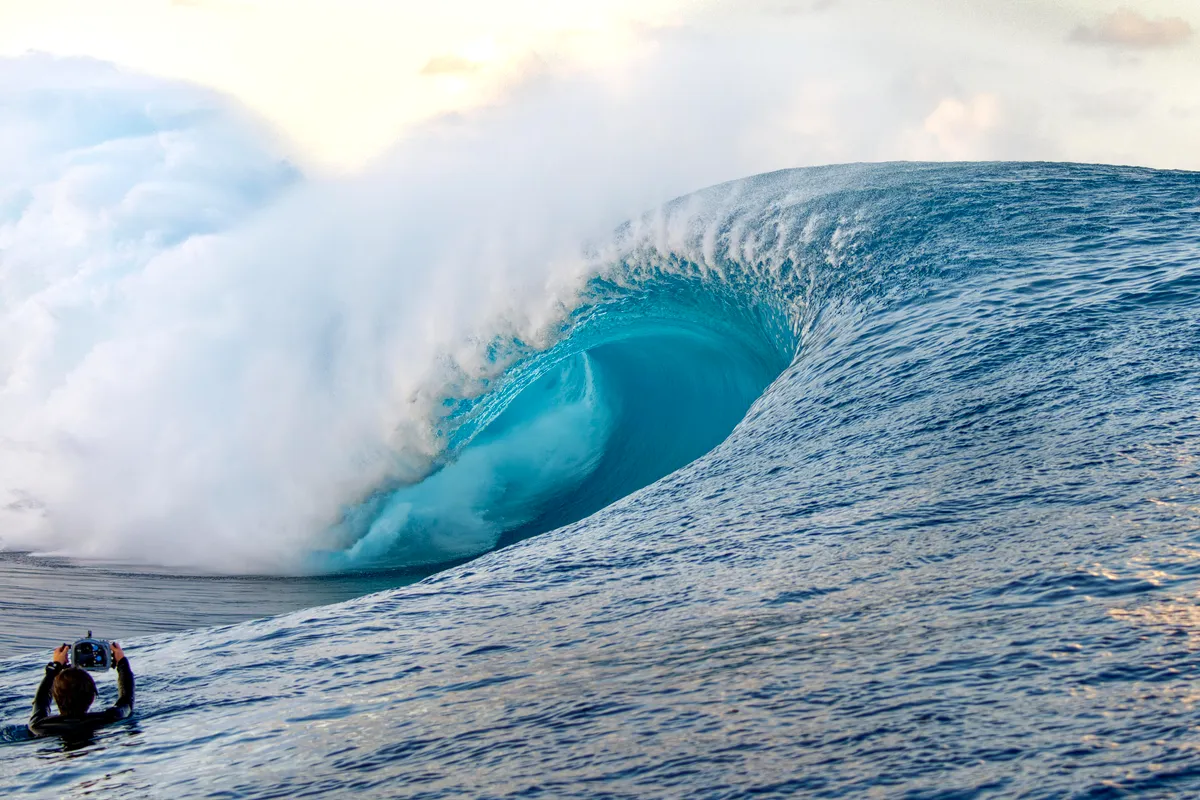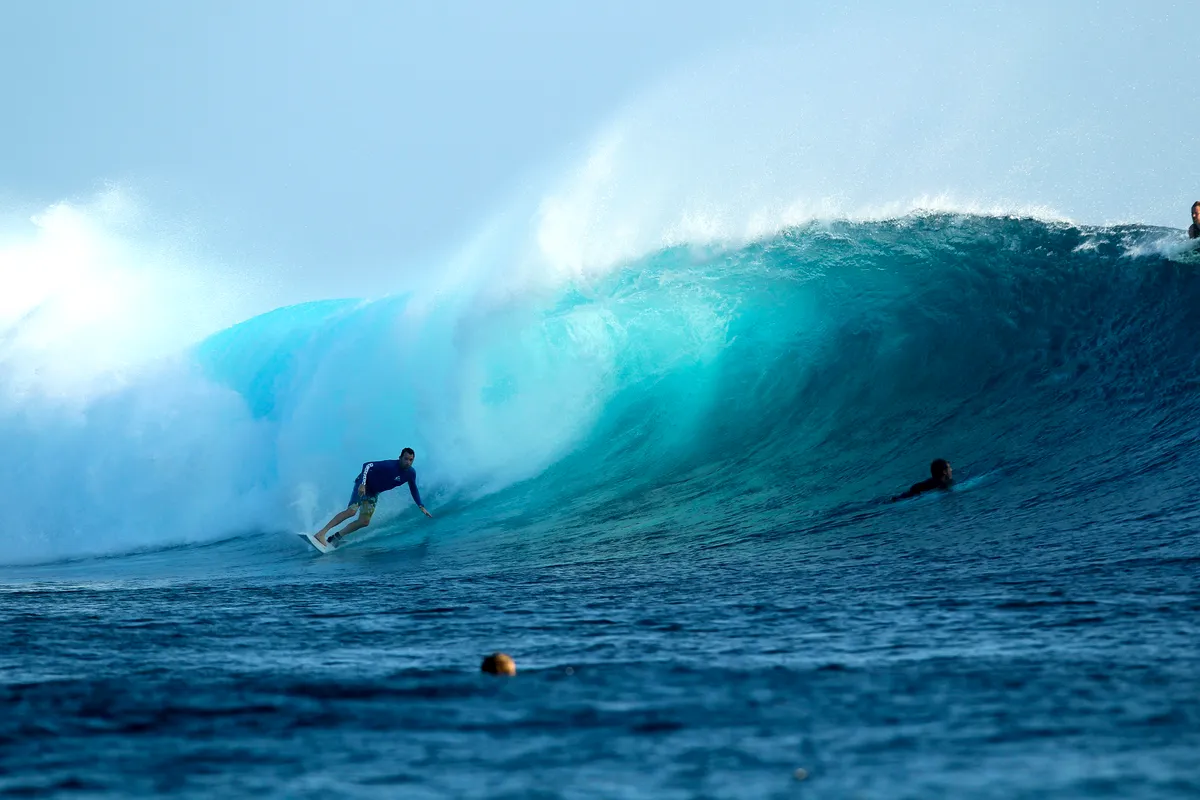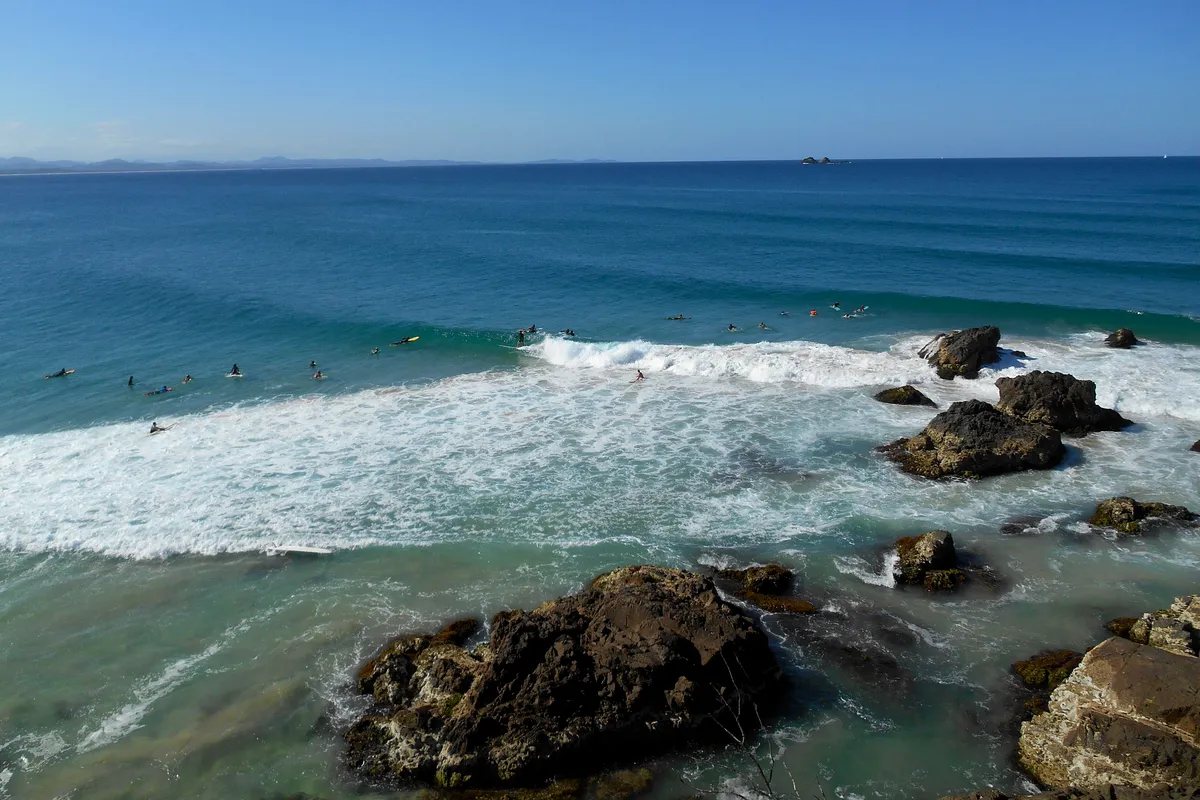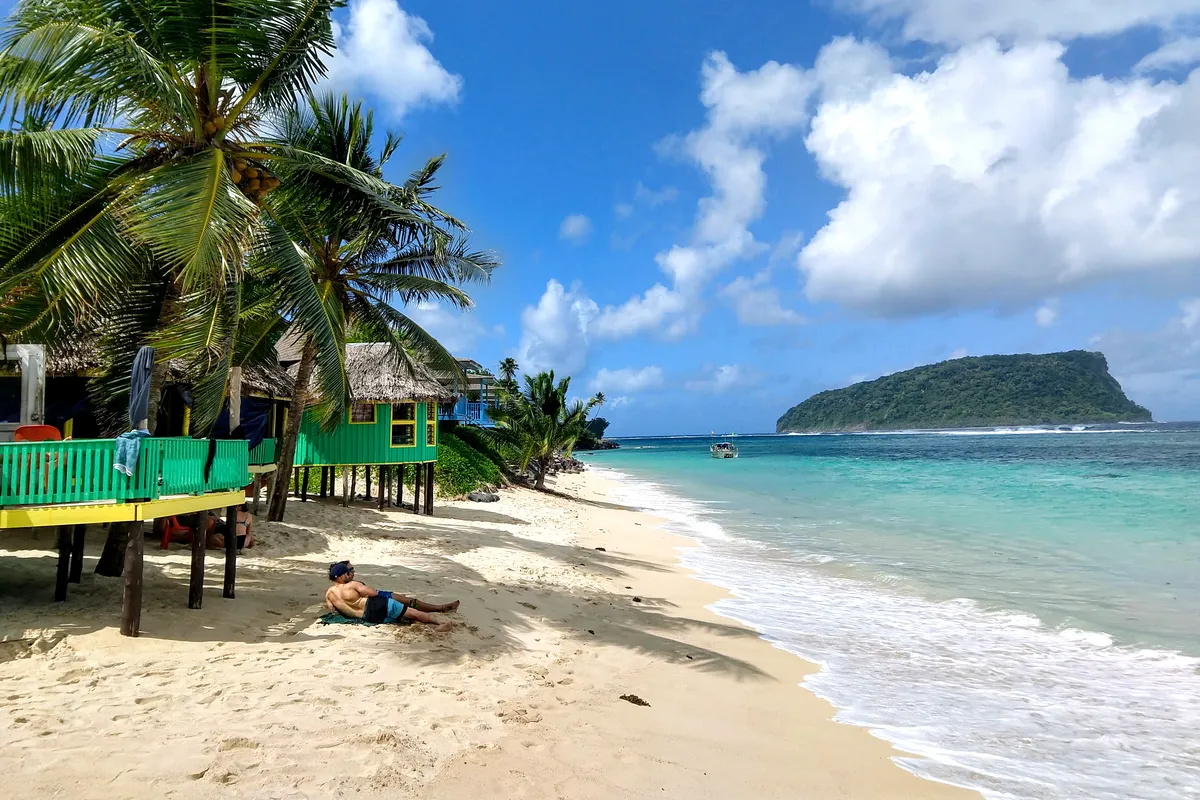
The breaks
Recognised, publicly known surf spots around Upolu. Suitability depends on the day's swell, wind and tide, so treat the level as a guide, not a guarantee.
| Break | Type | Best for | Notes |
|---|---|---|---|
| Boulders | Left-hand reef | Intermediate–Advanced | An exposed reef left on the south coast that works across much of the year according to travel sources. Boat or resort access is usual. |
| Salani | Reef pass | Intermediate–Advanced | Known for dependable waves even outside the trade-wind season. Access is usually arranged through local accommodation. |
| Coconuts | Right-hand reef | Intermediate | A right-hand reef within a short paddle of the Sinalei resort area. Access arrangements vary, so check before you go. |
| Aganoa (Savai'i) | Reef break | Intermediate | Left and right reef waves within paddling distance of the beach on neighbouring Savai'i, which hosted the 2007 South Pacific Games surfing. |
| North coast beach breaks | Beach/reef | Beginner–Intermediate | Some north-shore beaches pick up northern swells in the southern summer. Quality and access vary, so ask locally. |
Upolu surf climate, measured
Ten years of ocean model data for the open water off this coast: what the swell usually looks like before it reaches the beach. Shelter, sandbars and reefs change what you actually surf, so read this next to the month notes below.
| Month | Swell | Period | From | Wind | Water | Wetsuit | Days over 2.5 m |
|---|---|---|---|---|---|---|---|
| Jan | 1.4 m | 11 s | E | 10 km/h E | 29°C | Boardshorts | 3% |
| Feb | 1.6 m | 11 s | SE | 11 km/h NE | 29°C | Boardshorts | 8% |
| Mar | 1.6 m | 11 s | SE | 9 km/h E | 29°C | Boardshorts | 0% |
| Apr | 1.6 m | 11 s | SE | 10 km/h E | 30°C | Boardshorts | 0% |
| May | 1.8 m | 11 s | SE | 13 km/h E | 29°C | Boardshorts | 8% |
| Jun | 1.8 m | 12 s | SE | 17 km/h E | 29°C | Boardshorts | 10% |
| Jul | 1.8 m | 12 s | SE | 20 km/h E | 28°C | Boardshorts | 15% |
| Aug | 1.7 m | 12 s | SE | 15 km/h E | 28°C | Boardshorts | 5% |
| Sep | 1.7 m | 12 s | SE | 19 km/h E | 28°C | Boardshorts | 10% |
| Oct | 1.7 m | 12 s | SE | 18 km/h E | 28°C | Boardshorts | 8% |
| Nov | 1.4 m | 10 s | SE | 13 km/h E | 28°C | Boardshorts | 0% |
| Dec | 1.4 m | 10 s | SE | 13 km/h E | 29°C | Boardshorts | 5% |
Median values from ERA5 at a sea point near Upolu (14°S, 171.75°W), sampled 4 days a month at 12:00 UTC, 2015-2024. Highlighted months are our suggested planning window. Not a forecast or a safety assessment. How we use this data.
Book a surf trip to Upolu
Everything we can link you to for this trip, grouped by what you need. Before you pay a camp or school, read who holds your money, and check that your insurance covers surfing.
Where to stay
Search near the breaks. Filter for surf hostels, apartments or hotels once you can see the map.
Surf lessons and activities
Listings change by season, so check what the operator includes and who coaches.
Flights
Add your dates and check the board fee on every leg before you pay.
Car hire
Ask about roof racks and whether the insurance covers boards on the roof.
Airport transfer
Tell the driver you have a board and its length when you book.
Mobile data
Download a forecast app and offline maps before you land.
Flight delay claims
If a delay eats your first surf day, check whether you can claim.
Luggage storage
Useful between check-out and a late flight. Check the size limit before dropping a board.
Links marked as partner links may earn us commission at no cost to you; the rest earn us nothing. We have not checked live availability or price, and the seller's terms apply. How we handle this.
The island and its customary land
Upolu is the second-largest island in Samoa, about 75 kilometres long and covering roughly 1,125 square kilometres. It is a basaltic shield volcano with a population of about 145,000, making it the most populous Samoan island. Apia, the capital, lies about halfway along the north coast, and Faleolo International Airport is at the western end.
Most land in Samoa is customary land, owned by villages and families rather than individuals or the state. This matters for surfers. Access to the shore and to the sea often passes through village land, and visitors are commonly expected to ask permission and to pay a small fee. The system is part of daily life in Samoa and is a normal part of how coastal resources are shared.
The island has a notable history, including the home of the writer Robert Louis Stevenson at Vailima, now used as the official residence of the head of state, and a deep local culture that Samoans call fa'a Samoa. Visitors who treat that culture with respect usually find the experience richer, on land and in the water.
The south coast reef breaks
The best-known waves break on the south and south-west coasts, where reef passes pick up swell from the Southern Ocean. Boulders is described as an exposed left-hand reef break that works across much of the year, and Salani is known for good waves even outside the trade-wind season. Coconuts is a right-hand reef break within a short paddle of the Sinalei resort area, according to travel sources.
These are reef waves, and several are only reached by boat or from a resort, because the passes sit well off the shore. Wave size ranges widely and the reef can be shallow at low tide. Travel sources describe the area as suited to intermediate and advanced surfers; beginners should not expect to find easy waves at the main passes.
Names of breaks can vary between sources, and some are managed by the nearest village or resort. Rather than trying to find them yourself, ask the place where you are staying which spots are working and what the arrangements are.
When to go: swell, trade winds and cyclones
Samoa has an equatorial climate, with an average temperature around 26.5 degrees Celsius. The main wet season runs from November to April, and June to September is the drier peak tourist period. Cyclones can occur during the wet season, so check forecasts if you travel between November and April.
Surf sources disagree on the best months, which is usual. Some say that May to September brings consistent southern hemisphere swell onto the south-coast reefs; others note that Samoa works year-round and that glassy days appear in February, April and October. The most useful rule is that the south coast does best in the southern winter, while the north coast can pick up northern swells in the southern summer.
Because of this variation, treat the dry-season months of May to October as the safest bet for a first trip, and plan flexibly in the wet season.
Access, fees and etiquette
Because land is customary, surfing access often involves a village fee. Travellers report amounts in the range of 10 to 40 tala for beach access roads on the north side, and a few dollars for some Savai'i beaches, but there is no single published tariff and it can be unclear who to pay. A Samoa Observer article describes a family-run surf spot charging about 15 US dollars per person for unlimited access for the day. Treat these as illustrations and confirm current arrangements directly.
If you stay at a resort or village homestay, your host usually arranges access and boat transport. This is generally the easiest and most respectful path: it makes sure that money goes to the right people and that you are surfing where you are welcome.
Dress modestly in villages, avoid walking through a village during evening prayers if you are unsure, and ask before photographing people. Sunday is a quiet day in much of the country.
Getting to Samoa and around Upolu
Faleolo International Airport (APW) is on the north-west coast of Upolu, with flights from New Zealand, Australia, Fiji and other Pacific hubs. Schedules change, so check current options. From the airport, Apia and the south-coast resorts are road transfers; confirm the time and route with your accommodation, as it depends on where you stay and on traffic.
Taxis, hotel transfers and car hire are the main ways to travel on the island. Samoa switched to driving on the left in 2009. Public buses exist, but timetables are informal and they are not designed for carrying boards.
A ferry runs between Upolu and Savai'i, the larger island to the north-west, if you want to add a trip to the Savai'i breaks. Aganoa Beach on Savai'i has a surf break with left and right waves within paddling distance of the beach and hosted surfing at the 2007 South Pacific Games.
Where to stay for surf
Staying near the breaks usually means a resort or village accommodation on the south or west coast, rather than a hotel in Apia. Several offer boat access to the reef passes and are set up for visiting surfers. Others are simple beach fale, open-sided thatched huts, that give a more local experience.
Apia is the capital and has restaurants, shops and a market. It is a good place to stay for a night or two for supplies, but it is some distance from the best waves. Budget for transport costs if you base yourself in town.
Because accommodation near the breaks is limited, book ahead for the dry-season months, and ask whether the price includes boat transfers, meals and access fees. These extras are often where costs rise.
Hazards on a remote reef coast
Reef is the main danger: shallow coral, sharp edges and fast-changing tide windows. Pay attention to the tide and plan the session around it, and carry reef shoes if you are not used to walking on coral. Cuts become infected quickly in the tropics.
Boat access means you depend on the boatman for your return. Agree the pick-up arrangements and weather limits before you leave. Rough weather can cancel trips at short notice.
Samoa is also exposed to natural hazards. A tsunami struck the south side of Upolu on 29 September 2009, reportedly destroying about twenty villages. Ask your accommodation about the warning system and the route to high ground. In the wet season, cyclones are a consideration.
Upolu surf season month by month
A broad planning picture, not a forecast. Swell, wind and water temperature vary from year to year.
| January | Wet season, with heat, rain and a risk of cyclones. South-coast swell is less consistent, though north shores can work on northern swell. |
|---|---|
| February | Still wet and humid. Some sources note glassy days in February, but forecasts and cyclone risk need close attention. |
| March | Wet season continues, with changeable weather and variable swell. Visitor numbers are low. |
| April | The wet season ends. Some glassy days are reported, and the south coast starts to wake up with more southern swell. |
| May | The drier season begins. Regular southern swells reach the reef passes and crowds are still light. |
| June | Dry-season conditions with consistent swell on the south coast. Good weather and a quieter feel than the peak months. |
| July | Peak tourist season and one of the most reliable swell months. Accommodation near the breaks fills up, so book early. |
| August | Similar to July, with regular swell and drier weather. Larger days make the reef passes demanding. |
| September | Still within the main window, with swell and weather generally settled. Crowds start to thin. |
| October | Some sources note glassy days in October. The end of the dry season, with wetter weather looming. |
| November | The wet season begins and swell becomes less reliable. Check cyclone forecasts if travelling late in the year. |
| December | Wet and hot, with the highest risk of storms. Festive travel brings visitors but surf is inconsistent. |
Learning to surf on Upolu
Upolu is not an obvious beginner destination. The best-known waves are reef passes that need boats and experience, and there is no big network of beach-break surf schools as in Bali or Costa Rica.
Intermediate surfers who want to try reef waves will find the area a good step up, particularly if they travel with a resort or guide that can match the break to their ability. Some places offer lessons or guided sessions at gentler spots, but availability changes, so confirm in advance rather than assuming you can arrange it on arrival.
If you are new to surfing, learn the basics somewhere with sandy beach breaks, then come to Samoa when you can paddle through white water, duck-dive and control your board.
Comparing options across the country? Read our guide to surfing in Samoa.
Seasonal notes on this page describe typical patterns, not the conditions on a given day. Use the local forecast, lifeguard advice and a qualified instructor for water-safety decisions, and get a written breakdown of what any surf package includes before paying.
Upolu surf trip questions
When is the best time to surf in Samoa?
May to October is the safest bet for consistent southern swell and drier weather. Surf is possible year-round, but the wet season from November to April brings rain and cyclone risk.
Do you need a boat to surf in Upolu?
For many of the best south-coast passes, yes, or you need to stay at a resort that arranges access. Some breaks can be paddled from the beach. Ask your accommodation which arrangement applies.
Do you have to pay to surf in Samoa?
Often, yes. Most land is customary and villages charge small access fees. Amounts reported vary from a few dollars to tens of tala, and there is no standard tariff, so confirm with your host.
Is Upolu suitable for beginners?
Not generally. The main waves are reef passes. Intermediates can progress there with guidance, but beginners should learn elsewhere first.
Is Samoa at risk from tsunamis and cyclones?
Yes. A tsunami hit the south side of Upolu in September 2009, and cyclones can occur in the wet season from November to April. Ask your accommodation about warning systems and evacuation routes.
Sources & editorial notes
Destination context checked against the sources below. Base-selection and itinerary suggestions are Book & Surf editorial recommendations. Seasonal windows are broad planning suggestions, not measured forecasts or guarantees.
- Wikipedia: Upolu ↗
- Wikipedia: Samoa ↗
- Wikipedia: Aganoa Beach ↗
- Perfect Wave Travel: Samoa surf travel guide ↗
We do not claim to have personally surfed every break. Read our editorial standards.