The breaks
Recognised, publicly known surf spots around Itacaré. Suitability depends on the day's swell, wind and tide, so treat the level as a guide, not a guarantee.
| Break | Type | Best for | Notes |
|---|---|---|---|
| Tiririca | Beach break near the river mouth | Beginner–Intermediate | The closest wave to town and a working beach for lessons. Crowded when swell is up, with currents running along the sandbank and out around the rocks. |
| Engenhoca | Longer, mellow wave | Beginner–Intermediate | A popular spot for longboarders and improvers. Works best with east or south-east swell and is gentler than the exposed beaches. |
| Prainha | Walk-in beach break | Intermediate | Reached by a trail through the forest, which keeps the crowd down. Take water, check the tide, and do not surf alone. |
| Jeribucaçu | Beach and reef peaks | Intermediate–Advanced | Listed as a good option in winter. Conditions vary with swell direction and tide, so ask in town before making the trip. |
| Itacarezinho | Beach break | Intermediate | A long, scenic beach further along the coast, mainly a beach break. It is more exposed than the town beaches and can have strong currents. |
Itacaré surf climate, measured
Ten years of ocean model data for the open water off this coast: what the swell usually looks like before it reaches the beach. Shelter, sandbars and reefs change what you actually surf, so read this next to the month notes below.
| Month | Swell | Period | From | Wind | Water | Wetsuit | Days over 2.5 m |
|---|---|---|---|---|---|---|---|
| Jan | 0.9 m | 7 s | E | 10 km/h E | 28°C | Boardshorts | 0% |
| Feb | 0.8 m | 7 s | E | 8 km/h E | 28°C | Boardshorts | 0% |
| Mar | 0.8 m | 7 s | E | 8 km/h SE | 29°C | Boardshorts | 0% |
| Apr | 0.8 m | 8 s | E | 10 km/h S | 29°C | Boardshorts | 0% |
| May | 0.9 m | 8 s | E | 12 km/h S | 28°C | Boardshorts | 0% |
| Jun | 1.1 m | 9 s | E | 11 km/h S | 27°C | Boardshorts | 0% |
| Jul | 1.2 m | 9 s | E | 14 km/h SE | 26°C | Boardshorts | 0% |
| Aug | 1.1 m | 8 s | E | 12 km/h SE | 26°C | Boardshorts | 0% |
| Sep | 1.1 m | 9 s | E | 13 km/h SE | 26°C | Boardshorts | 0% |
| Oct | 1.0 m | 8 s | E | 11 km/h NE | 26°C | Boardshorts | 0% |
| Nov | 1.0 m | 8 s | E | 12 km/h NE | 27°C | Boardshorts | 0% |
| Dec | 0.9 m | 7 s | E | 13 km/h NE | 27°C | Boardshorts | 0% |
Median values from ERA5 at a sea point near Itacaré (14.25°S, 39°W), sampled 4 days a month at 12:00 UTC, 2015-2024. Highlighted months are our suggested planning window. Not a forecast or a safety assessment. How we use this data.
Book a surf trip to Itacaré
Everything we can link you to for this trip, grouped by what you need. Before you pay a camp or school, read who holds your money, and check that your insurance covers surfing.
Where to stay
Search near the breaks. Filter for surf hostels, apartments or hotels once you can see the map.
Surf lessons and activities
Listings change by season, so check what the operator includes and who coaches.
Flights
Add your dates and check the board fee on every leg before you pay.
Car hire
Ask about roof racks and whether the insurance covers boards on the roof.
Airport transfer
Tell the driver you have a board and its length when you book.
Mobile data
Download a forecast app and offline maps before you land.
Flight delay claims
If a delay eats your first surf day, check whether you can claim.
Luggage storage
Useful between check-out and a late flight. Check the size limit before dropping a board.
Links marked as partner links may earn us commission at no cost to you; the rest earn us nothing. We have not checked live availability or price, and the seller's terms apply. How we handle this.
Where the forest meets the break
Itacaré sits in the cocoa zone of southern Bahia, around 70 km north of Ilhéus where the Rio de Contas reaches the Atlantic. Cocoa drove the local economy through the 19th and 20th centuries, until a blight in the 1980s devastated the crop, after which tourism became the main source of income. The town now has about 28,000 residents, roughly half of whom live in the rural interior.
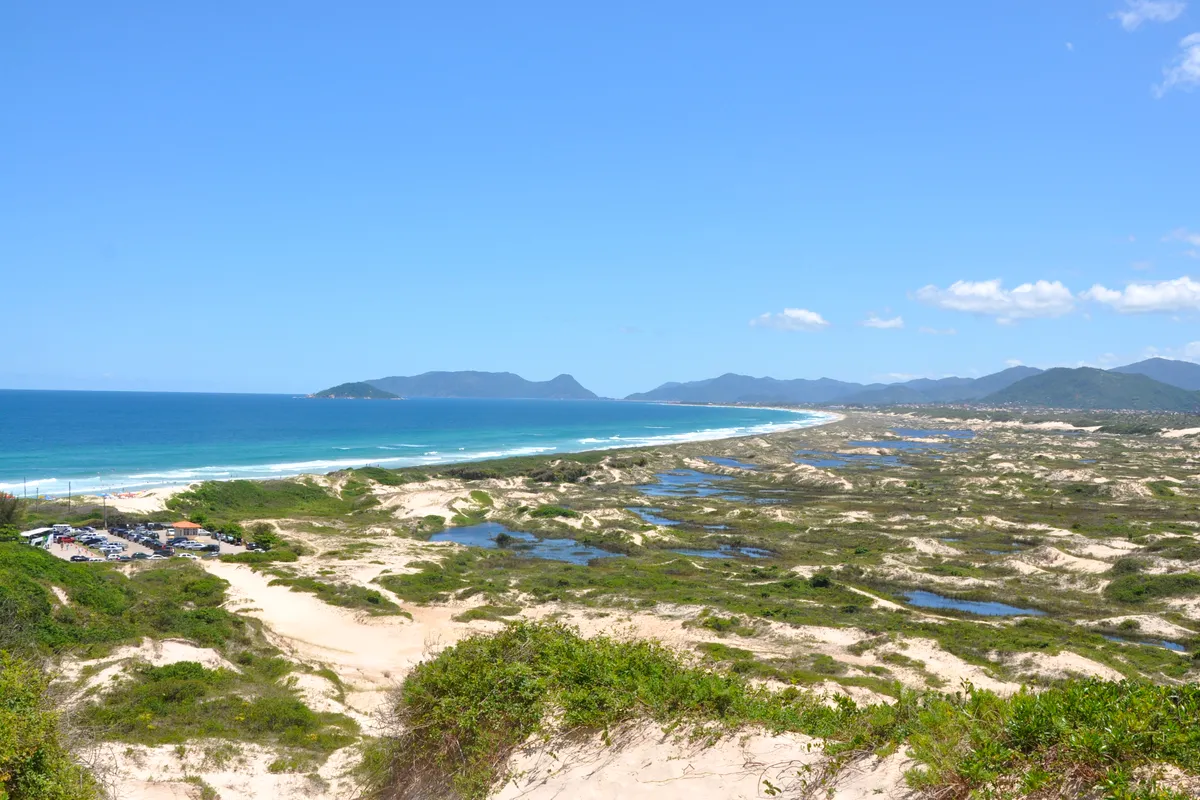
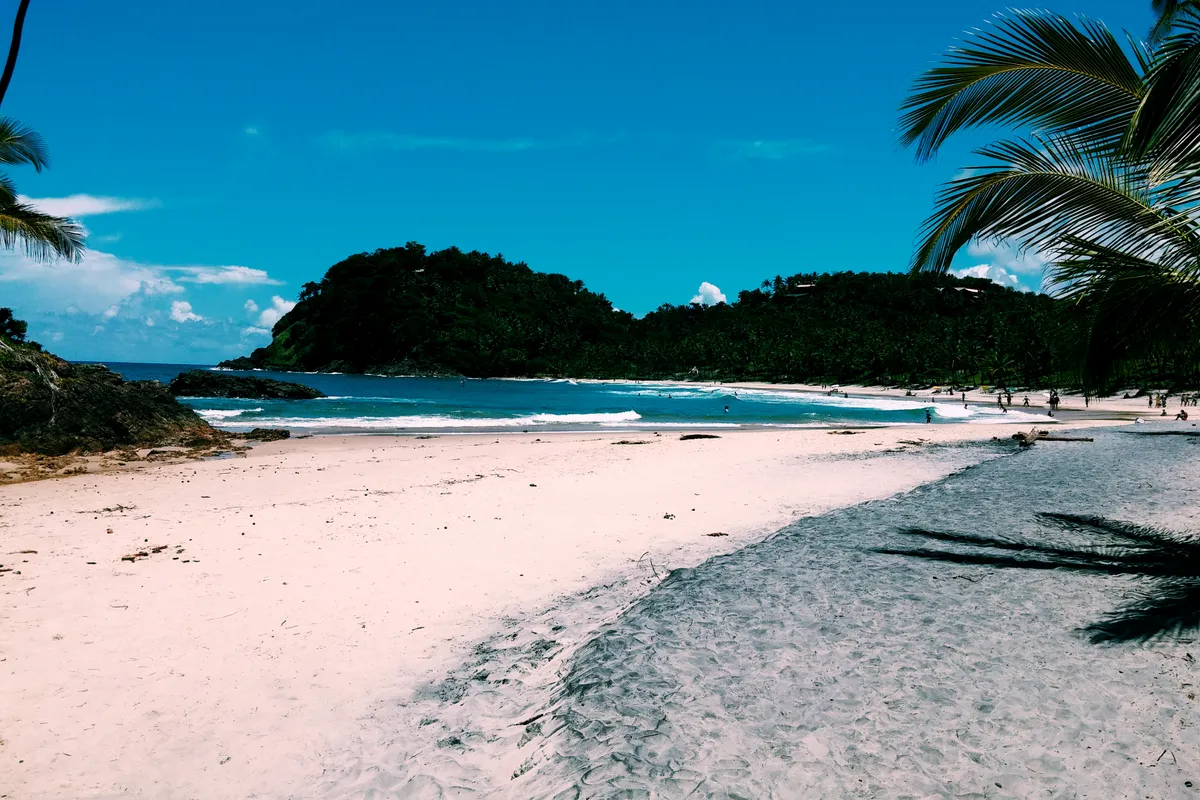
The coast is made of small coves and beaches separated by wooded headlands, and the town borders one of the last large stretches of Atlantic rainforest in Brazil. For surfers, the benefit is variety: within a short ride you can find a beach break for lessons, a walk-in cove and a more exposed stretch for experienced surfers.
Tiririca, Engenhoca and the town beaches
Tiririca is the beach nearest to town and the most convenient surf spot, with beach-break waves that work through much of the year. Because it sits close to the river mouth and the harbour, it is crowded on good days and has a mix of surfers, learners and swimmers. The sandbank is the thing to watch, as currents run along the beach and out around the rocks.
Engenhoca is reached a little further along the coast and is described as a mellower, longer wave, which makes it popular with longboarders and improvers. It generally works best with east or south-east swell. Both beaches are close enough to reach on foot or by a short ride, which is why many surfers choose to stay in town.
Prainha, Jeribucaçu and the walk-in beaches
South of town, Prainha is reached on foot through a trail in the forest, which keeps numbers down and adds to the effort. Access to Prainha and São José beaches is now free on foot after locals opposed a resort that had blocked it, so you should not expect to pay to reach them.
Jeribucaçu is listed as a good option in winter, and Itacarezinho, a long beach further along the coast, is mainly a beach break. Several of the best beaches require a combination of road, trail and a bit of exploration, so ask in town about conditions and access before you set out, particularly after heavy rain.
Seasons, swell and why the sources disagree
Itacaré is often described as having waves almost every day, though reports about the best months disagree. One account puts the peak season from December to March, another says clean reef-break swell arrives from May to September, and a regional overview gives August to March for north-facing breaks. These differences reflect which beach the source was writing about, plus changes in wind direction through the year.
A practical approach is to plan around weather as well as waves. The dry, hot months bring more reliable sun, while the wetter months, usually in the middle of the year, bring heavier showers, which can colour the water near river mouths. Water temperature is warm throughout the year, so a rash vest is usually all you need.
Food, chocolate and the town at night
The town centre is compact, with a pedestrian main street lined with restaurants, bars and shops, and a few small crafts stalls. Evenings are lively but mostly relaxed. Bahian dishes such as moqueca, seafood cooked with coconut milk, and the local cocoa products are easy to find.
Because cocoa was the region's main crop, some farms offer visits to see how chocolate is made, and these can fill a flat day. Check opening times and whether a tour includes tasting before travelling out; some are close to the road, while others require a guide.
Getting to Itacaré
The nearest airport is at Ilhéus, linked to Itacaré by the BR-001 road, which was built in 1998. The drive takes roughly an hour and a half, depending on conditions, and there are shuttles, taxis and buses. Most international visitors connect through Salvador or São Paulo to Ilhéus.
Salvador is much further away, and the road or ferry route takes much of a day, so it suits travellers who want to see more of the coast on the way. Within Itacaré, many people rely on walking, local taxis and motorbike taxis. If you are bringing a longboard, check airline policies and plan how it will travel on the last leg.
Hazards on a forest coast
Itacaré's currents and rocky headlands deserve respect. Rips run beside the sandbars and out around the rocks at the ends of several beaches, and swell can rise quickly on a change in wind. Shallow reefs and rock platforms lie close to some of the points, so wear a leash and avoid surfing alone in unfamiliar spots.
On land, mosquitoes are part of life in the rainforest, so insect repellent is essential, and you should check health advice for the region before travelling. Trails can be muddy and slippery after rain, and some beaches are cut off at high tide, so check tide tables before a long walk.
Learning the town's rhythm
Itacaré is small enough to walk. The central streets hold most of the restaurants, pousadas and surf shops, and the beaches begin just beyond. Evenings are lively on weekends, and some bars have live music, though the town goes to bed early outside the high season. A simple routine of early surf, a long lunch and an afternoon on the trails works well.
Itacaré surf season month by month
A broad planning picture, not a forecast. Swell, wind and water temperature vary from year to year.
| January | Hot and sunny, with one of the stronger local seasons mentioned by some sources. Beaches are busy with Brazilian holidaymakers. |
|---|---|
| February | Warm and humid with Carnival crowds. Waves are variable, so be flexible and check the forecast each morning. |
| March | Still summery, with a good chance of rideable waves on the town beaches. Crowds ease after Carnival. |
| April | Rain becomes more frequent as the wetter months begin. Surf is still regular, with fewer visitors in the water. |
| May | One source places cleaner reef-break swell from May. Showers are common, so go early and expect muddy river mouths. |
| June | Cooler by local standards, with regular waves and strong rain. Good for confident surfers who accept the weather. |
| July | School holidays bring some crowds. Swell can be consistent, and Jeribucaçu is reported to work well in winter. |
| August | Often a good month for quality waves, with less rain than mid-year. Some sources list this as the start of the north-facing season. |
| September | Spring weather and steady swell. A comfortable time to visit, with fewer people in town. |
| October | Warm and drier. Regular swell, uncrowded beaches and a good time for walk-in spots such as Prainha. |
| November | Described by one source as consistent. Heat builds and the line-ups are still quiet. |
| December | The start of the high season. Strong sun, busy streets and increasing prices towards the new year. |
Learning in Bahia's coves
Tiririca and Engenhoca are the usual teaching spots because they are close to town and offer gentle, repeatable waves on many days. Lessons are generally offered through local schools and pousadas, and many instructors speak some English. Ask about group size, whether a leash and board are included, and how they handle currents.
Prainha and the other walk-in beaches are for more confident surfers. Early morning sessions are cooler and calmer, and the afternoon wind can make progress harder. If you are staying for a week, spending the first days at Tiririca before trying Engenhoca is a natural progression.
Comparing options across the country? Read our guide to surfing in Brazil.
Seasonal notes on this page describe typical patterns, not the conditions on a given day. Use the local forecast, lifeguard advice and a qualified instructor for water-safety decisions, and get a written breakdown of what any surf package includes before paying.
Itacaré surf trip questions
When is the best time to surf in Itacaré?
Waves are available most of the year, but sources disagree on the peak. December to March is hot and busy, while May to September is cited for cleaner reef-break swell. Check the current forecast.
Is Itacaré good for beginners?
Yes. Tiririca and Engenhoca offer gentle, accessible waves, and local schools run lessons. Beginners should be careful around river mouths and rocky ends of beaches.
How do I get to Itacaré?
Fly into Ilhéus and take a shuttle, taxi or bus along the BR-001, which takes roughly an hour and a half. Salvador is much further by road.
Do I need a wetsuit in Itacaré?
Usually not. The water is warm throughout the year, and a rash vest is enough for most surfers.
What are the main hazards?
Currents beside sandbars and at the ends of beaches, rocks and shallow reef, muddy trails and mosquitoes. Check tides and health advice.
Sources & editorial notes
Destination context checked against the sources below. Base-selection and itinerary suggestions are Book & Surf editorial recommendations. Seasonal windows are broad planning suggestions, not measured forecasts or guarantees.
- Wikipedia: Itacaré ↗
- Itacare.surf: surf spots ↗
- Nomad Surfers: surfing in north-east Brazil ↗
- Itacare.com: waves and tides ↗
We do not claim to have personally surfed every break. Read our editorial standards.