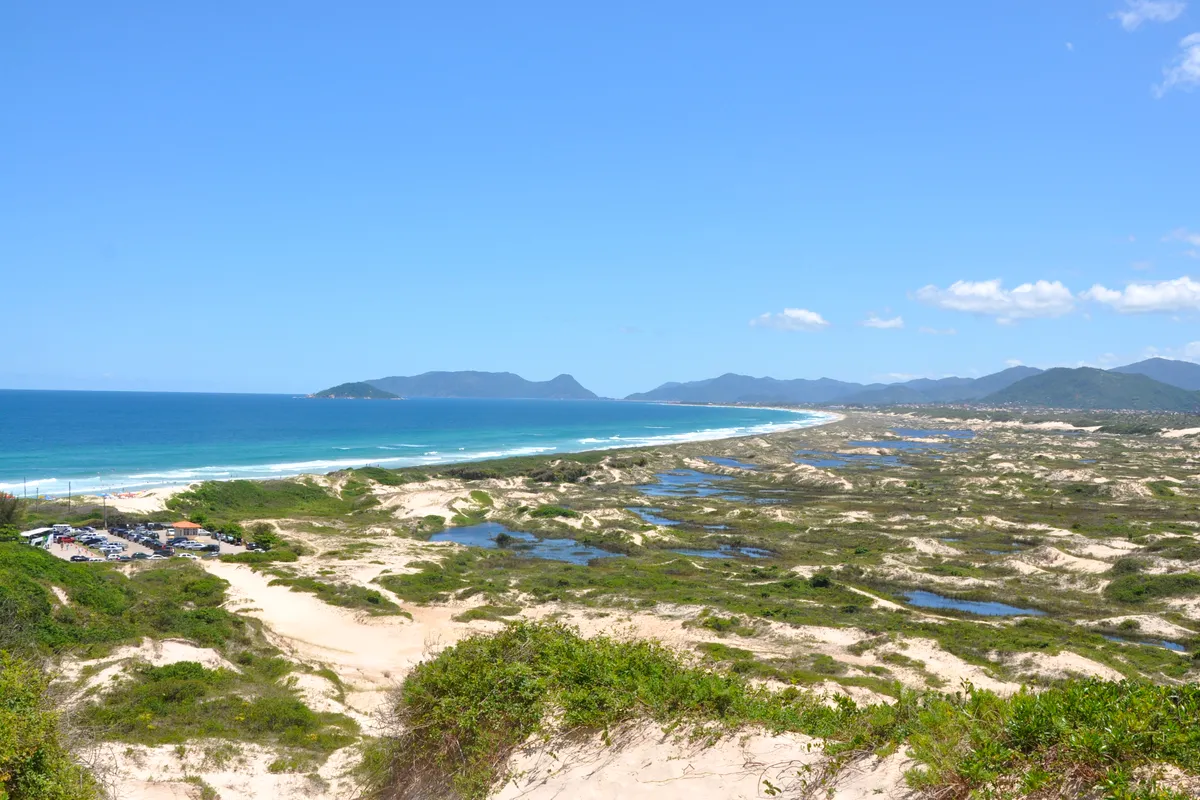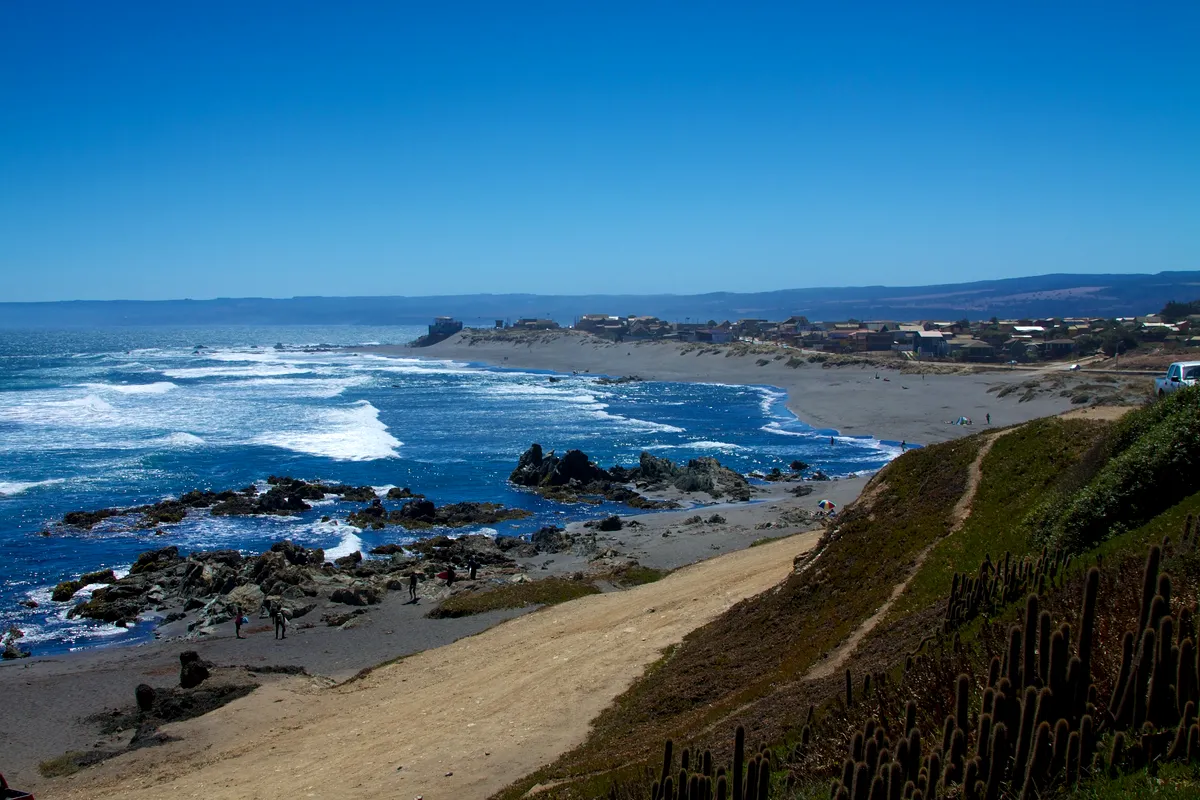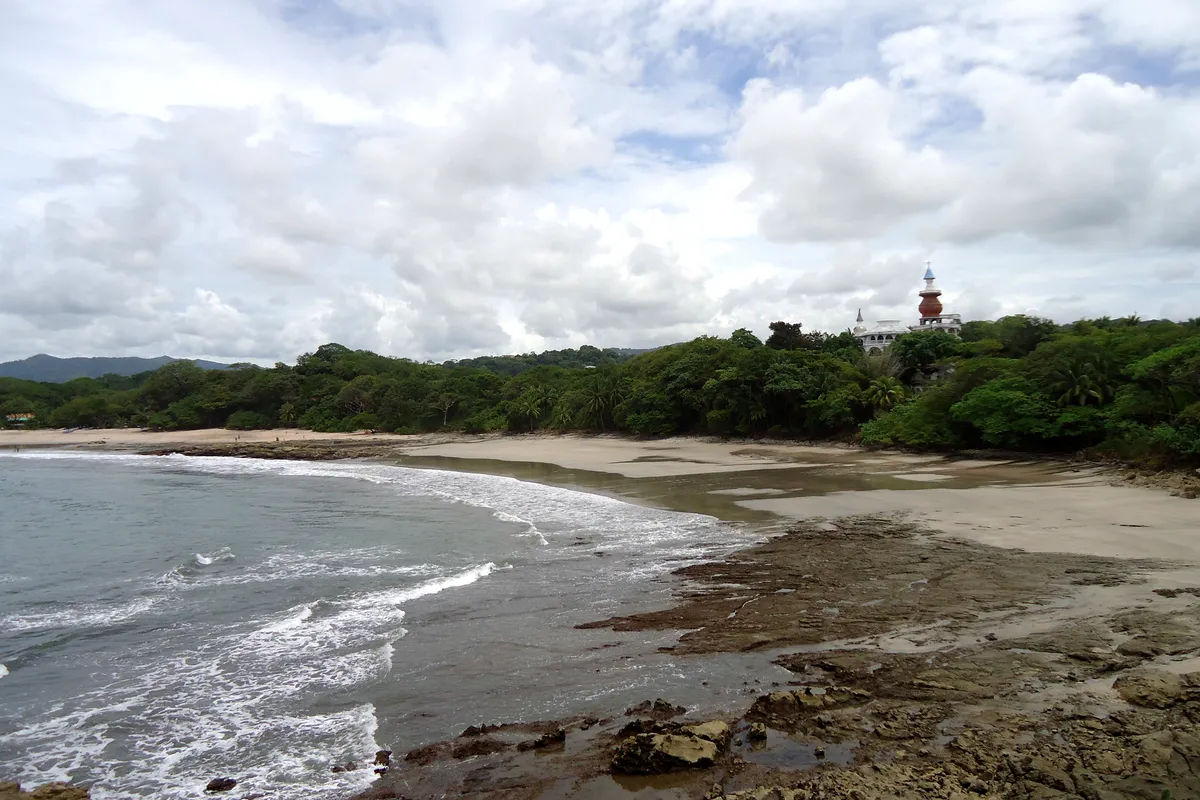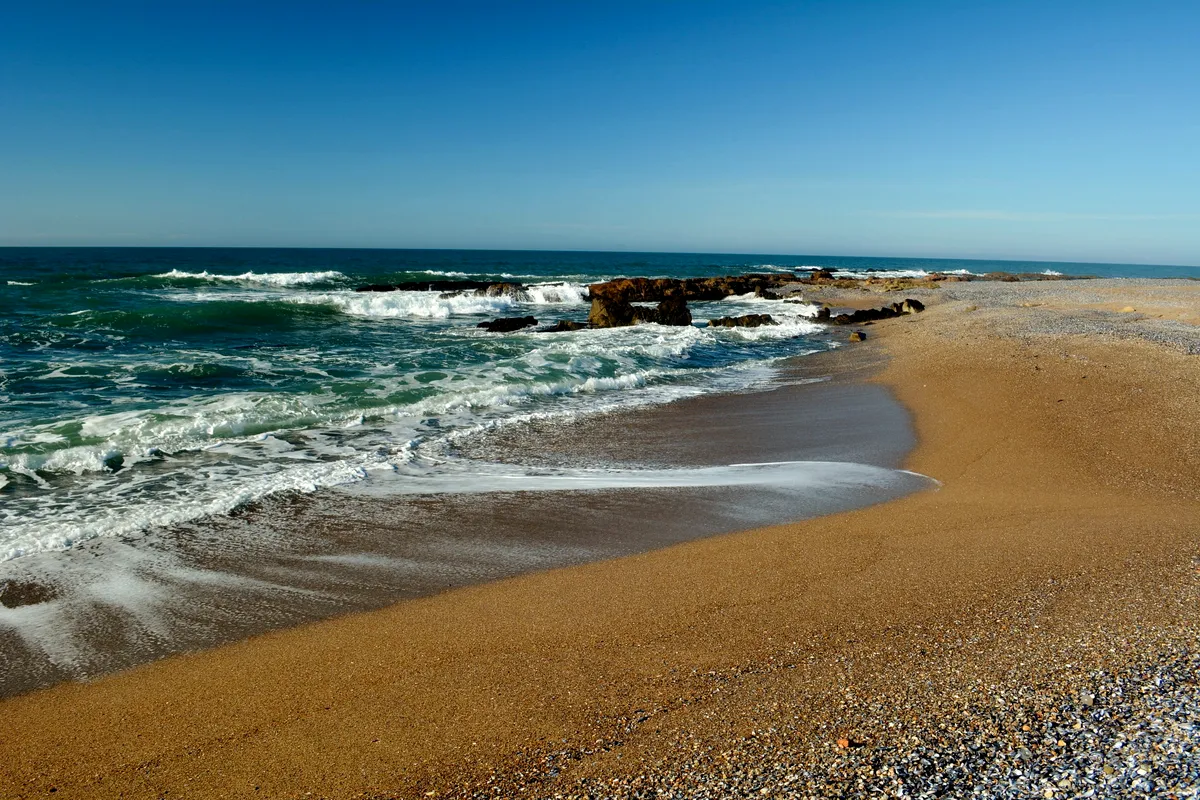
The breaks
Recognised, publicly known surf spots around La Paloma. Suitability depends on the day's swell, wind and tide, so treat the level as a guide, not a guarantee.
| Break | Type | Best for | Notes |
|---|---|---|---|
| Anaconda | Beach break | Beginner–Intermediate | Described as a well-known surf beach. Conditions depend on the sandbanks and wind, so check the forecast and ask locally. |
| La Aguada | Beach break | Beginner–Intermediate | A familiar beach with a relaxed feel, though one of the busier ones in high season. A sensible first choice for lessons. |
| Corumbá | Sand-bank beach break | Intermediate–Advanced | Noted for firm banks and good waves when the swell lines up. Picks up south, south-east and south-west swells; facilities are limited. |
| Los Botes | Sheltered beach | Beginner | Named for the fishing boats on the sand. More of a stroll than a surf session, but worth a look if the open beaches are rough. |
| La Pedrera | Beach break | Beginner–Intermediate | A short drive along the coast, with its own small surf scene. Often quieter than the main beaches of La Paloma. |
La Paloma surf climate, measured
Ten years of ocean model data for the open water off this coast: what the swell usually looks like before it reaches the beach. Shelter, sandbars and reefs change what you actually surf, so read this next to the month notes below.
| Month | Swell | Period | From | Wind | Water | Wetsuit | Days over 2.5 m |
|---|---|---|---|---|---|---|---|
| Jan | 1.2 m | 8 s | E | 20 km/h NE | 22°C | Rash vest or 1 mm top | 0% |
| Feb | 1.2 m | 8 s | E | 19 km/h NE | 23°C | Rash vest or 1 mm top | 3% |
| Mar | 1.2 m | 8 s | SE | 20 km/h N | 22°C | Rash vest or 1 mm top | 3% |
| Apr | 1.3 m | 9 s | SE | 21 km/h N | 21°C | 2 mm shorty or spring suit | 3% |
| May | 1.3 m | 9 s | S | 19 km/h W | 18°C | 3/2 mm full suit | 8% |
| Jun | 1.4 m | 9 s | S | 22 km/h SW | 14°C | 4/3 mm full suit | 5% |
| Jul | 1.4 m | 9 s | SE | 23 km/h S | 12°C | 5/4 mm, boots | 13% |
| Aug | 1.1 m | 9 s | SE | 20 km/h SW | 12°C | 5/4 mm, boots | 8% |
| Sep | 1.3 m | 9 s | SE | 20 km/h SW | 13°C | 4/3 mm full suit | 8% |
| Oct | 1.5 m | 9 s | S | 24 km/h SW | 15°C | 4/3 mm full suit | 5% |
| Nov | 1.3 m | 9 s | SE | 22 km/h NE | 18°C | 3/2 mm full suit | 0% |
| Dec | 1.2 m | 8 s | E | 21 km/h NE | 20°C | 2 mm shorty or spring suit | 3% |
Median values from ERA5 at a sea point near La Paloma (34.75°S, 54.25°W), sampled 4 days a month at 12:00 UTC, 2015-2024. Highlighted months are our suggested planning window. Not a forecast or a safety assessment. How we use this data.
Book a surf trip to La Paloma
Everything we can link you to for this trip, grouped by what you need. Before you pay a camp or school, read who holds your money, and check that your insurance covers surfing.
Where to stay
Search near the breaks. Filter for surf hostels, apartments or hotels once you can see the map.
Surf lessons and activities
Listings change by season, so check what the operator includes and who coaches.
Flights
Add your dates and check the board fee on every leg before you pay.
Car hire
Ask about roof racks and whether the insurance covers boards on the roof.
Airport transfer
Tell the driver you have a board and its length when you book.
Mobile data
Download a forecast app and offline maps before you land.
Flight delay claims
If a delay eats your first surf day, check whether you can claim.
Luggage storage
Useful between check-out and a late flight. Check the size limit before dropping a board.
Links marked as partner links may earn us commission at no cost to you; the rest earn us nothing. We have not checked live availability or price, and the seller's terms apply. How we handle this.
Cheapest months to fly to La Paloma
Lowest return fare to MVD that Aviasales users found recently, in US dollars. Treat these as a guide to which months are cheaper, not as prices you can book today.
| From | Nov 26 | Dec 26 | Feb 27 | May 27 | Aug 27 |
|---|---|---|---|---|---|
| New York | $916 | – | – | – | – |
| Sydney | – | – | – | $1940 | $1940 |
| Frankfurt | – | $1480 | $1162 | – | – |
Prices seen by 1 November 2026. Travelpayouts Data API. Board fees are extra on most airlines: see our surfboard baggage guide.
A cape town on the Rocha coast
La Paloma sits on the Atlantic coast at Cabo Santa María, in the department of Rocha, close to the junction of routes 10 and 15. Founded in 1874, it had just under 3,500 residents at the 2011 census, though the population is much higher in summer. It is a resort town, but a low-key one: low houses, pine trees, a lighthouse on the cape and beaches facing in different directions.
That orientation is the point for surfers. Some beaches face open sea, others are more sheltered, and on most days there is a stretch of sand where the wind is lighter or the swell is easier to handle.
Reading the beaches: Anaconda, La Aguada and Los Botes
Several local beaches are named in guides. Anaconda and La Aguada are described as well-known surf beaches, while Los Botes, named for the fishing boats pulled up on the sand, is better suited to a walk than a session. La Aguada is also noted as one of the busier beaches in high season.
Beach breaks like these change with the sandbanks, so what works one week may not work the next. Ask a local surf shop or school which beach is best on the day and check the wind direction before driving out. East and south-east winds can turn the faces messy, while a light westerly cleans them up.
Corumbá and the beaches along the road
Along the coast, other beaches offer more options. Corumbá is mentioned as a spot with firm sand banks and some of Uruguay's best waves in good swell, picking up south, south-east and south-west swells. Its reputation makes it a draw for more experienced surfers, though it is usually reached by road and has fewer facilities.
Nearby La Pedrera, about 8 km away, is another beach-break area with a young crowd and a handful of small surf shops. Exploring the Rocha coast by car is part of the experience, and it is worth planning to arrive at each beach at a different tide.
Swell, wind and the cold
Swell reaches this stretch of coast throughout the year, but guides generally put the best conditions between April and October, when southern winter groundswells arrive. Water temperature is reported to range from about 13°C in July and August to around 22°C in January and February, which is a wide gap that determines what you pack.
A 3/2 mm wetsuit is typical in summer, while a 4/3 mm, with boots, is recommended from May to September. Even in summer, temperatures are unpredictable, so a thin wetsuit is useful. Winter brings colder air, strong winds and short days, so expect to dress warmly on the beach as well.
Summer crowds and the shoulder seasons
In the high season, from late December to early January, the Uruguayan coast gets very busy, with crowds peaking in Punta del Este around 20 December to 10 January. La Paloma is calmer than that but still sees a large increase in visitors, and the main beaches fill up.
The shoulder months of March, April and October to November are a sensible compromise: the beaches are quieter, accommodation is cheaper and the swell can be good. Winter is very quiet, with many seasonal businesses closed, so check before you travel that your chosen accommodation and school are open.
Getting from Montevideo to La Paloma
The main airport is in Montevideo, about three hours away by road. Buses run from the capital's Tres Cruces terminal to La Paloma, and private transfers and hire cars are also available. The roads are good, and a car is a significant help for reaching other beaches along the coast.
If you are arriving from Argentina, ferries cross the Río de la Plata to Montevideo and Colonia, and onward buses connect. Within La Paloma, the town centre is walkable, but Anaconda, Corumbá and the beaches along the road need a car, a taxi or a bike.
Lagoons, lighthouse and the Rocha coast
Rocha is known for quiet lagoons, protected wetlands and a coastline with comparatively little development. The department also includes places such as Punta del Diablo and La Pedrera, along with several old fortresses and three lighthouses.
On a flat day, walk to the lighthouse on the cape, take a drive to a nearby lagoon for birdwatching, or spend an afternoon in the town's small cafés. Sunsets over the water are one of the quiet pleasures of the cape, and the cooler months bring a different mood from the busy summer season.
A weekend or a week: planning your time
A short trip works well if the forecast is good: arrive on a Friday, check the beaches at dawn, surf the best bank, then drive to La Pedrera or Corumbá for a second session. A week lets you wait for the best swell and the right wind, which can change several times in a day on this coast.
Book a place with hot showers, because the water is cold for much of the year, and bring a spare wetsuit if possible. A car makes the difference between seeing one beach and seeing five. Check the tide table and wind forecast each evening, and talk to local shop staff, who will usually know which banks are best that week.
Eating and staying on the cape
La Paloma has a compact centre with grilled-meat restaurants, seafood places, bakeries and small supermarkets. In summer the town is lively and many bars stay open late; in winter only a handful of places remain open, so confirm opening hours. Accommodation ranges from campsites and simple cabins to small hotels and houses, and prices rise sharply from late December.
La Paloma surf season month by month
A broad planning picture, not a forecast. Swell, wind and water temperature vary from year to year.
| January | Peak summer and the busiest period, with warm water of about 22°C and smaller waves. Good for beginners who tolerate crowds. |
|---|---|
| February | Still warm and busy at the start of the month, then quieter. A thin wetsuit is usually enough. |
| March | Crowds drop and the swell begins to pick up. A good shoulder month for improvers. |
| April | The start of the main swell season, with cooler water and quieter beaches. Autumn light is good on the cape. |
| May | Southern groundswells become more regular. A 4/3 mm wetsuit starts to make sense. |
| June | Winter conditions, with cold air and consistent swell. Many services close, so confirm bookings. |
| July | The coldest water, around 13°C. Waves can be good, but only for those prepared with a thick wetsuit and boots. |
| August | Cold, quiet and consistent. A good month for experienced surfers who want empty beaches. |
| September | Spring brings milder weather and still-regular swell. One source rates September to November as a prime period. |
| October | The tail end of the main swell season. Water warms slowly and beaches remain quiet. |
| November | Mild and green, with fewer people. A comfortable time for lessons and for exploring Rocha. |
| December | The summer rush builds towards Christmas and New Year. Book ahead and expect rising prices. |
Lessons on Rocha's beach breaks
Surf schools and rental shops operate in La Paloma in summer, and a smaller number remain open in the shoulder months. Lessons are generally given at the more sheltered beach breaks, and instructors move groups to the beach with the best conditions of the day.
Cold water is the main challenge outside the summer. Ask for a good wetsuit and boots, and keep lessons shorter if the wind is strong. Beginners should avoid larger swells at Corumbá and stay in the whitewater at La Aguada or Anaconda. If you are travelling in winter, check that schools are still running before you book.
Comparing options across the country? Read our guide to surfing in Uruguay.
Seasonal notes on this page describe typical patterns, not the conditions on a given day. Use the local forecast, lifeguard advice and a qualified instructor for water-safety decisions, and get a written breakdown of what any surf package includes before paying.
La Paloma surf trip questions
When is the best time to surf in La Paloma?
April to October is generally the best period for swell, when southern groundswells arrive. Summer is warmer but usually smaller and much busier.
What wetsuit do I need in La Paloma?
A 3/2 mm wetsuit is typical in summer, and a 4/3 mm with boots is recommended from May to September. Water ranges from about 13°C in winter to 22°C in summer.
Is La Paloma good for beginners?
Yes, particularly in summer, when schools are open and the waves are smaller. Stay on the more sheltered beaches and avoid big winter swells.
How far is La Paloma from Montevideo?
About three hours by road. There are direct buses from Montevideo, and private transfers or a hire car are practical options.
Is La Paloma busy?
In late December and January, yes. The rest of the year, including most of the swell season, it is quiet.
Sources & editorial notes
Destination context checked against the sources below. Base-selection and itinerary suggestions are Book & Surf editorial recommendations. Seasonal windows are broad planning suggestions, not measured forecasts or guarantees.
- Wikipedia: La Paloma, Rocha ↗
- Spanish in Uruguay: surf lessons in La Paloma ↗
- Nomad Surfers: surfing in Uruguay ↗
- Sessions Travel: surfing in Uruguay ↗
We do not claim to have personally surfed every break. Read our editorial standards.