A small country with a long surf coast
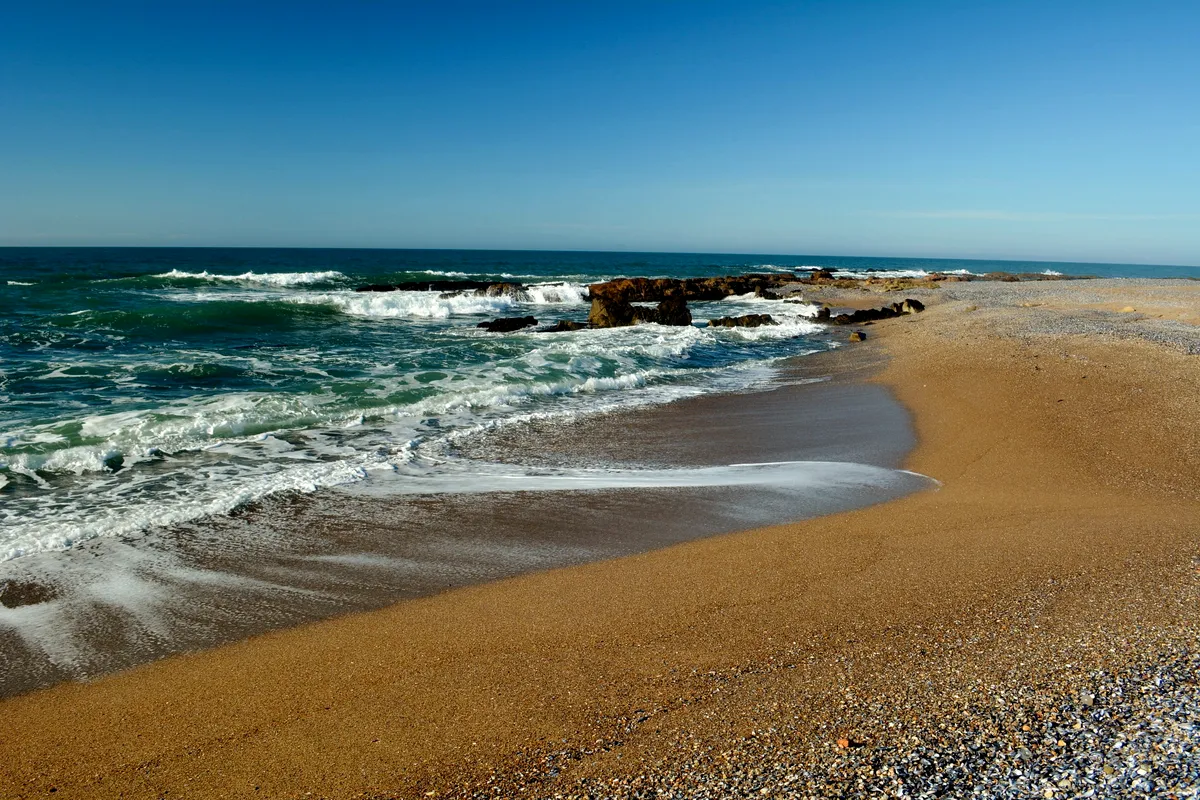
Uruguay faces the Atlantic to the east and the wide Río de la Plata estuary to the south-west. East of Punta del Este the coast opens onto the open ocean, and that is where nearly all the surf is found. Swells arrive from the south, south-east and south-west, and most breaks are sand-bottom beach breaks that change with the banks, with a handful of rocky points.
Compared with Brazil or Chile, Uruguay's surf is understated, but that is part of the appeal. Distances are short, the roads are good and you can sample several beaches in a day. The country is also quiet outside the summer months, so empty line-ups are common.
Seasons in the southern hemisphere
Seasons here are the reverse of Europe's. The best swell generally arrives in the southern autumn, winter and spring, from about April to October, when southern groundswells reach the coast. Some guides also cite March to May and September to November as prime periods. Summer, from December to March, is warmer and busier, with waves that are typically smaller and more suited to beginners.
Crowds peak around 20 December to 10 January, particularly in Punta del Este, and many hotels raise their prices sharply. Winter is far quieter, with seasonal businesses closing in the smaller towns. Plan around what matters most: swell, weather or quiet beaches. It is rarely possible to have all three at once.
Wetsuits, wind and the Atlantic mood
Water temperatures on the Uruguayan Atlantic coast range from around 13°C in the depths of winter to about 22°C in summer. Guides generally recommend a 3/2 mm wetsuit in summer and a 4/3 mm in winter, with boots from May to September. Because temperatures can be unpredictable, a thin wetsuit is useful even in summer.
Wind is the other factor. Onshore east and south-east breezes can make the beach breaks messy, while offshore westerlies and north-westerlies clean them up. Winters bring cold air as well as cold water, so a warm layer for the beach is as important as the suit. Plan to surf early or late, when the wind is usually lighter.
Getting around, and what it costs
Most visitors arrive at Montevideo's Carrasco airport, or by ferry from Buenos Aires into Montevideo or Colonia. From the capital, buses and hire cars connect Punta del Este in about two hours, and Rocha towns in roughly three to four hours. Roads are generally good, and a car helps if you want to move between beaches.
Uruguay is one of the more expensive countries in South America, particularly in January and February, when beach accommodation is at its highest prices. Out of season, rentals and guesthouses are significantly cheaper. Carry cash for smaller towns, and check opening hours in winter, since many restaurants and surf shops close or shorten hours.
Culture, food and a slower pace
Uruguayan beach towns are low-key. Asado, meaning grilled meat, is a social ritual, and you will find fresh fish, empanadas and sweet pastries along the coast. The drink of choice is mate, which locals carry around in a gourd and thermos. The pace is slow, and even in summer the nightlife is more relaxed than in neighbouring countries.
Plan some time away from the water as well. The department of Rocha includes quiet lagoons, protected wetlands and old fortresses, and Colonia del Sacramento, a UNESCO-listed old town, lies on the western side of the country. Cabo Polonio, a small settlement among dunes with no mains electricity, is among the best-known places to visit.
Hazards and sensible precautions
The most common hazards in Uruguay are rips along the beach breaks, cold water and strong winds. Sandbanks shift after storms, so a wave that was good last week may have closed out. Lifeguards are present at the main beaches in summer, but coverage is thin in winter and at remote beaches.
Petty theft occurs in busy areas, so keep belongings secure. The sun can be harsh even in the cooler months, and the wind adds to chill, so protect yourself against both. If you are travelling with a board, check airline rules and bring a bag that can survive buses and rough roads.
A suggested route from Montevideo to Rocha
A straightforward trip starts in Montevideo, where you can spend a day in the old town and the waterfront before collecting a hire car. The drive east passes Punta del Este, which is worth a stop in the shoulder season for La Barra, then continues along the coast to Rocha. Allow two or three nights in La Paloma and another night or two at La Pedrera or Punta del Diablo.
With more time, add Cabo Polonio for a night among the dunes and return via the lagoons for birdwatching. The whole route can be driven in a couple of hours at a time, which makes it easy to follow the wind and the swell. Check ahead that accommodation is open outside summer.
Money, language and local etiquette
Uruguay uses the peso, and cards are widely accepted in towns, although small places in Rocha may prefer cash. Spanish is the main language, and English is more common in Punta del Este than elsewhere. Tipping is customary in restaurants, and service is generally relaxed.
Surfing etiquette is broadly the same as elsewhere. Line-ups are small and people know each other, so a friendly greeting and patience go a long way. Be careful with litter on the beach, and be aware that some beaches are protected areas where rules on driving and camping apply.
What to pack for a cold-water beach trip
Bring a 4/3 mm wetsuit if you travel between May and September, and consider a 3/2 mm plus boots and gloves in the shoulder months. A changing robe or poncho makes the beach routine much easier in the wind. Pack a hooded top, a warm hat and a windproof jacket for evenings, because coastal nights are cool outside summer.
Bring a spare leash and a few fins, plus board wax suited to cold water. Rental boards are mainly foam or basic fibreglass, so serious surfers may prefer to travel with their own. Sunscreen is still essential, and so is a flask of something hot for after the session.
Combining a surf trip with Buenos Aires or Colonia
Many visitors reach Uruguay from Argentina, and the two countries pair well. A fast ferry connects Buenos Aires with Colonia del Sacramento and Montevideo, so you can add a few days in a large city before or after the coast. Colonia is a pleasant place for a first night, with a historic quarter and a quiet riverfront, and a bus connects it to Montevideo.
From there, plan the surf leg for the shoulder seasons or winter if you want empty beaches, or summer if you prefer warm water and lessons. Remember that summer prices and crowds are highest on the coast, so allow extra time to book transport and accommodation.
Reading the forecast on a beach-break coast
On an exposed coast with few reefs, the conditions on any day depend on swell direction, size and wind. Check the forecast the night before and again in the morning, and walk the beach before choosing where to enter. A bank that works at mid-tide may close out at high tide, and a bank that was good last week may have disappeared after a storm. Local surf shops are the best source of current information, and a conversation costs nothing.
Surf regions of Uruguay
Rocha: La Paloma to Punta del Diablo
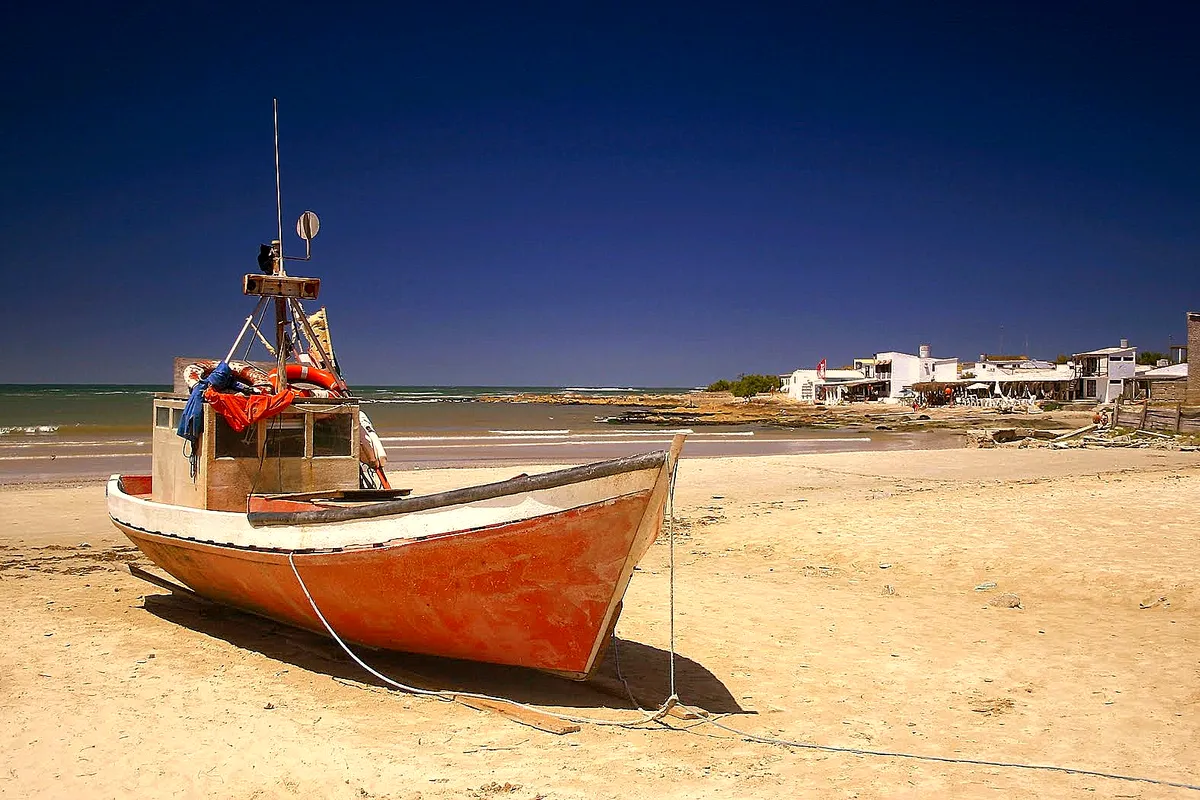
The department of Rocha is the heart of Uruguayan surf travel, a coastline of long beaches, capes and lagoons with relatively few buildings. La Paloma, on the Cabo Santa María, has beaches such as Anaconda, La Aguada and Corumbá, while La Pedrera and Punta del Diablo offer quieter, more rustic bases. Beach breaks dominate, with consistent waves in the southern winter and more crowds in January. Services are good in summer and limited in winter.
Known for: La Paloma, La Pedrera, Punta del Diablo, Corumbá
Punta del Este and Maldonado
Punta del Este is the country's resort capital and its best-known surf base. La Barra, to the east of the peninsula, is often described as the country's most famous surf beach and picks up most Atlantic swells. Beginners can use La Olla and Posta del Cangrejo, where schools rent wetsuits and boards in summer, while El Emir is the busiest beach in the city. Expect high prices and large crowds in the peak weeks.
Known for: La Barra, La Olla, Posta del Cangrejo, El Emir
Cabo Polonio and Barra de Valizas
North of La Paloma, Cabo Polonio is an off-grid settlement among dunes, reached by 4x4 truck or on foot, with beach breaks and a rustic feel. Barra de Valizas, nearby, has dramatic dunes and a strongly breaking beach called Wild Beach. These places suit travellers who value remoteness and are prepared for limited services, cold water and a simple place to sleep. Check access and tides before heading out.
Known for: Cabo Polonio, Barra de Valizas
Montevideo and the Río de la Plata
Montevideo is a city of beaches along the Río de la Plata, where waves are generally small and wind-driven, and surf is limited to certain swells and winds. It is mostly a gateway, a good place to start or end a trip and a base for visiting nearby beaches. The estuary is brackish and calmer than the open Atlantic, so it suits paddle sports more than serious surfing.
Known for: Montevideo
Canelones and the Costa de Oro
East of Montevideo the Costa de Oro, in Canelones, has a string of beach towns that pick up some Atlantic swell, with a local surfing community and quieter beaches than Punta del Este. This is a sensible stop for travellers who want a taste of the coast near the capital, though waves are less consistent than in Rocha.
Known for: Atlántida, Parque del Plata
Learning to surf in Uruguay
Summer is the main season for lessons, when schools in Punta del Este, La Paloma and other beach towns are open and the waves are smaller. Beginners usually learn on the sheltered beaches such as La Olla and Posta del Cangrejo in Punta del Este, or on gentler beach breaks in Rocha.
A wetsuit is included in most lessons, and good schools will explain rips and wind before you enter the water. Outside summer, check that schools are open and be prepared for cold water. Learning in autumn or spring means fewer crowds, though you should be ready for a full suit and boots.
Surfing in Uruguay: questions
When is the best time to surf in Uruguay?
April to October is generally best for swell, when southern groundswells arrive. Summer is warmer, busier and usually smaller, which suits beginners.
What wetsuit do I need in Uruguay?
A 3/2 mm is typical in summer, and a 4/3 mm with boots is recommended from May to September. Water ranges from about 13°C in winter to 22°C in summer.
Where is the best place to surf in Uruguay?
Punta del Este, especially La Barra, is the best known, and the Rocha coast around La Paloma has quieter beach breaks. Both offer lessons in summer.
Is Uruguay good for beginners?
Yes, in summer, when schools run lessons on sheltered beaches and the waves are small. Cold water and wind are the main challenges in other seasons.
How do I get to Uruguay's surf towns?
Fly into Montevideo or take a ferry from Buenos Aires. From the capital, Punta del Este is about two hours by road and La Paloma about three.
Sources & editorial notes
Country context checked against the sources below. Regional summaries are Book & Surf editorial planning suggestions, not forecasts or safety assessments.