The breaks
Recognised, publicly known surf spots around Playa Venao. Suitability depends on the day's swell, wind and tide, so treat the level as a guide, not a guarantee.
| Break | Type | Best for | Notes |
|---|---|---|---|
| Playa Venao main beach | Sand-bottom beach break | Beginner–Advanced | Lefts and rights across a long bay. The edges tend to be gentler and the middle punchier, and the best tide varies between sources, so scout before paddling out. |
| Venao west point | Rocky point | Intermediate–Advanced | A separate wave at the western edge of the bay that works in larger southern swells, usually mid-year. Rocks make it less forgiving than the beach. |
| Cambutal | Beach and reef breaks | Intermediate | A quieter stretch of coast to the west, more remote than Venao. It generally picks up the same southern swell and suits surfers who prefer fewer people. |
| Playa El Toro, Pedasí | Beach break | Beginner–Intermediate | A beach near Pedasí used as a change of scene when Venao is flat or crowded. Conditions depend on swell and tide, so ask locally. |
| Isla Cebaco area | Offshore reefs | Advanced | Boat-access waves for experienced surfers. Not a casual option: go only with a local operator who knows the conditions and the swell window. |
Playa Venao surf climate, measured
Ten years of ocean model data for the open water off this coast: what the swell usually looks like before it reaches the beach. Shelter, sandbars and reefs change what you actually surf, so read this next to the month notes below.
| Month | Swell | Period | From | Wind | Water | Wetsuit | Days over 2.5 m |
|---|---|---|---|---|---|---|---|
| Jan | 1.0 m | 6 s | N | 11 km/h N | 28°C | Boardshorts | 0% |
| Feb | 1.2 m | 13 s | N | 15 km/h N | 27°C | Boardshorts | 0% |
| Mar | 1.0 m | 13 s | SW | 15 km/h N | 25°C | Boardshorts | 0% |
| Apr | 1.1 m | 14 s | SW | 9 km/h N | 27°C | Boardshorts | 0% |
| May | 1.1 m | 14 s | SW | 5 km/h N | 29°C | Boardshorts | 0% |
| Jun | 1.2 m | 14 s | SW | 4 km/h W | 29°C | Boardshorts | 0% |
| Jul | 1.1 m | 15 s | SW | 4 km/h NW | 29°C | Boardshorts | 0% |
| Aug | 1.0 m | 14 s | SW | 4 km/h N | 28°C | Boardshorts | 0% |
| Sep | 1.1 m | 14 s | SW | 5 km/h NW | 28°C | Boardshorts | 0% |
| Oct | 1.0 m | 14 s | SW | 4 km/h SW | 28°C | Boardshorts | 0% |
| Nov | 1.0 m | 13 s | SW | 6 km/h SW | 28°C | Boardshorts | 0% |
| Dec | 0.9 m | 11 s | SW | 9 km/h N | 28°C | Boardshorts | 0% |
Median values from ERA5 at a sea point near Playa Venao (7.5°N, 80.25°W), sampled 4 days a month at 12:00 UTC, 2015-2024. Highlighted months are our suggested planning window. Not a forecast or a safety assessment. How we use this data.
Book a surf trip to Playa Venao
Everything we can link you to for this trip, grouped by what you need. Before you pay a camp or school, read who holds your money, and check that your insurance covers surfing.
Where to stay
Search near the breaks. Filter for surf hostels, apartments or hotels once you can see the map.
Surf lessons and activities
Listings change by season, so check what the operator includes and who coaches.
Flights
Add your dates and check the board fee on every leg before you pay.
Car hire
Ask about roof racks and whether the insurance covers boards on the roof.
Airport transfer
Tell the driver you have a board and its length when you book.
Mobile data
Download a forecast app and offline maps before you land.
Flight delay claims
If a delay eats your first surf day, check whether you can claim.
Luggage storage
Useful between check-out and a late flight. Check the size limit before dropping a board.
Links marked as partner links may earn us commission at no cost to you; the rest earn us nothing. We have not checked live availability or price, and the seller's terms apply. How we handle this.
Cheapest months to fly to Playa Venao
Lowest return fare to PTY that Aviasales users found recently, in US dollars. Treat these as a guide to which months are cheaper, not as prices you can book today.
| From | Nov 26 | Dec 26 | Jan 27 | Feb 27 | Mar 27 | Apr 27 |
|---|---|---|---|---|---|---|
| London | $910 | $1049 | $936 | $633 | $687 | $706 |
| New York | $734 | $817 | $717 | $697 | – | – |
| Los Angeles | – | $1076 | $771 | – | – | – |
| Frankfurt | $933 | $905 | $878 | – | – | – |
Prices seen by 1 November 2026. Travelpayouts Data API. Board fees are extra on most airlines: see our surfboard baggage guide.
A bay that sorts itself by ability
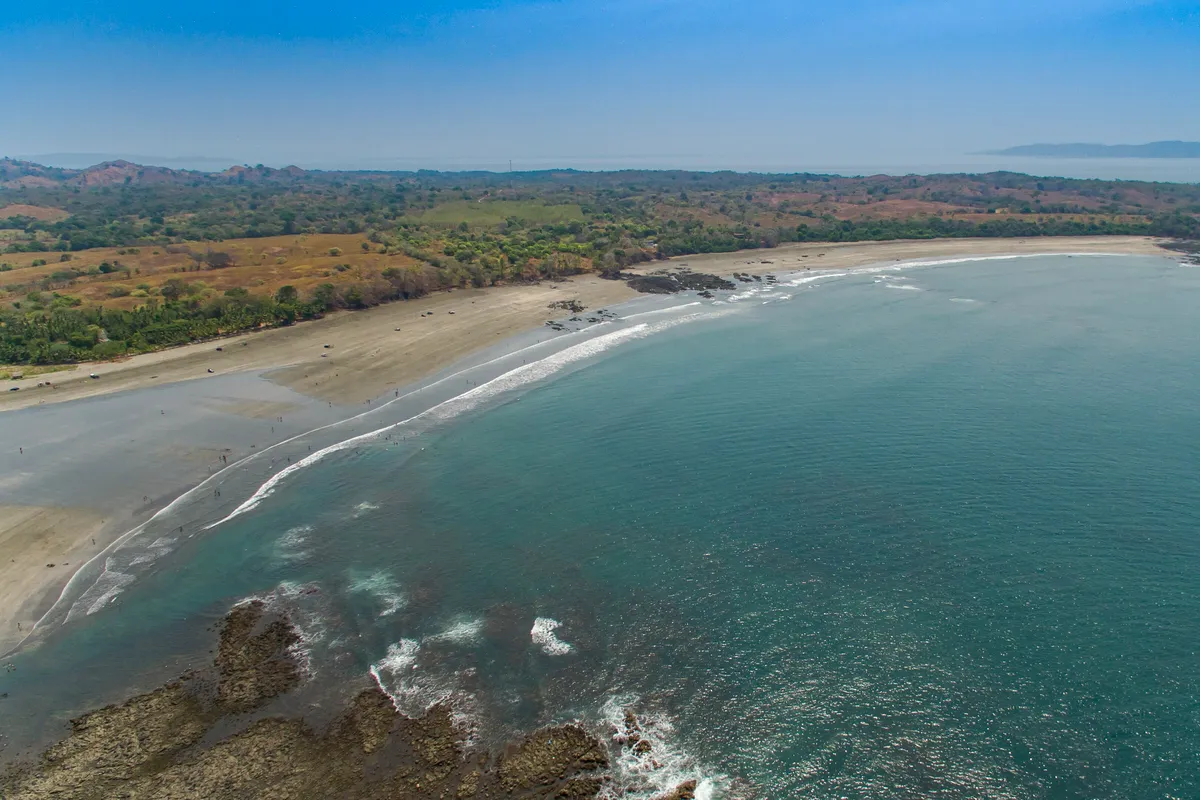
Venao is a wide, curving sandy bay in the province of Los Santos, on the Pacific side of the Azuero Peninsula. The beach is long enough that different parts of it break differently, so one stretch suits learners, another gives intermediate peaks and the middle can get punchy. Surf guides commonly divide it into sections for beginner, intermediate and advanced surfers, and most of the waves go both left and right over sand.
That sorting is Venao's main strength. A group with mixed levels can stay in the same village and surf the same bay without anyone being out of their depth, which is not true of the reef coasts further north.
Tides, swell direction and the west-end point
South and south-west swells give the best waves here, and small-to-mid-size swells tend to hold well. Opinions on tide differ. Several accounts prefer mid-tide and warn that low tide can bring the waves close to shore and make them close out, while another says it works best on a rising or high tide. A third claims it works at all tides. Treat this as a reason to watch it for a session before choosing, since sandbanks move.
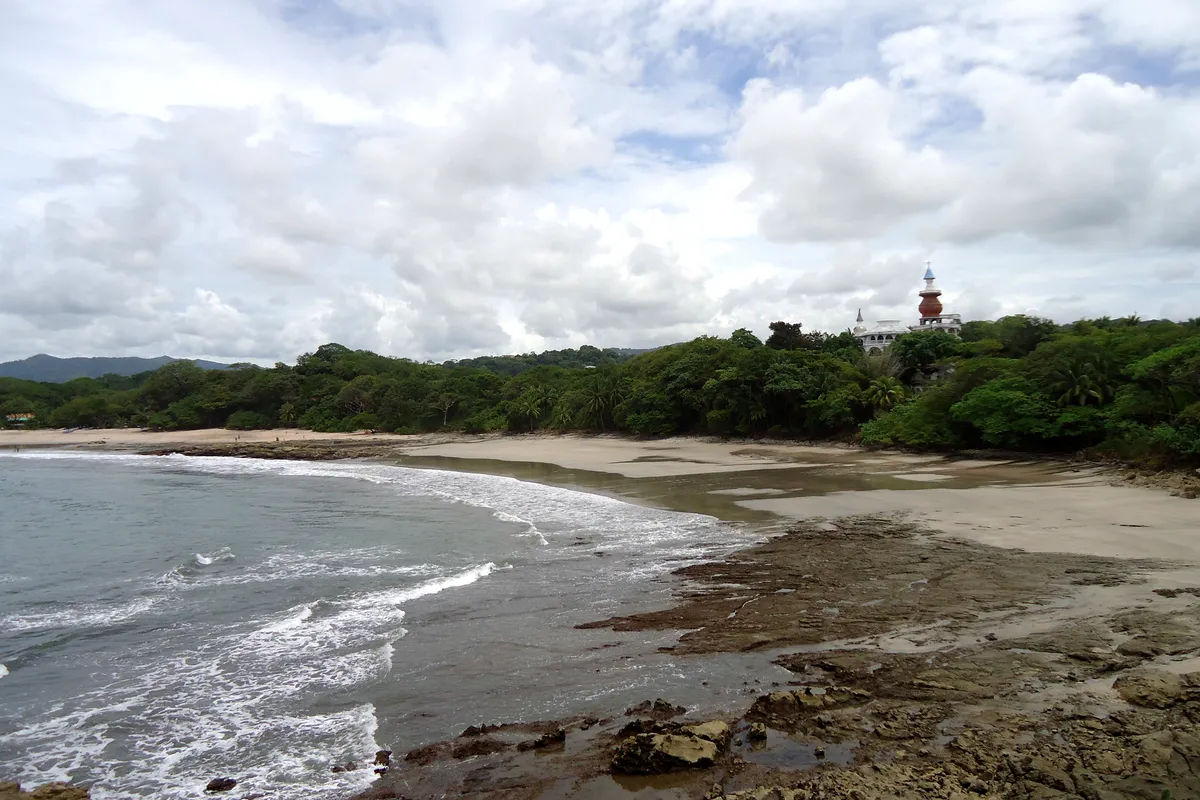
At the western edge of the bay there is a separate point that works in larger swells, which is usually seen during the main season around June and July. It breaks over rocks and attracts the stronger surfers when the beach is too big or messy.
What the seasons do to the bay
The Azuero Peninsula is one of the drier parts of Panama, and the dry season from December to April is often cited as the calmest period for weather. Surf-specific guides place the strongest swell between roughly April and October, with the main window from about May to September for the Pacific side, including nearby Santa Catalina and Cambutal.
In practice, December to March brings the most stable weather and smaller waves, which suits beginners and families. May to October is wetter and greener, with bigger swell and more daily rain. Water temperature is warm enough that most people surf without a wetsuit year-round.
Staying at Venao, and the nearby villages
Accommodation at Venao is spread along the beach road and in the hills behind it, with a mix of surf lodges, small hotels, hostels and rental houses. Services are limited, so check what is within walking distance and whether supplies and cash are available before arriving.
Pedasí, to the east, is the nearest sizeable town and has more shops and restaurants, plus the nearby Isla Iguana wildlife refuge, which is reached by boat. Tonosí, to the west, handles daily errands for some locals, and Cambutal further along the coast offers a quieter, more remote alternative for experienced surfers.
From Panama City to Venao by road
Venao is a long way from the capital. The usual route is by road from Panama City, which takes roughly five to six hours by private vehicle or shuttle, depending on traffic and the stop at Chitré or Las Tablas. Public buses run to Las Tablas, Pedasí and Tonosí, with onward taxis, which takes longer and is less convenient with a board bag.
A hire car gives flexibility, but be careful on the final stretch, where roads are narrower and trucks and livestock are a hazard. If you arrive at night, check your accommodation can accommodate late arrivals before you set out.
Azuero culture beyond the beach
The Azuero Peninsula is the cultural heart of rural Panama, with colonial-era churches, folkloric festivals and artisan crafts. Las Tablas hosts one of the country's most famous Carnival celebrations, and the region has a reputation for traditional music, dress and food.
On a flat day, take a drive to Pedasí for lunch or a boat trip to Isla Iguana, which is known for its seabirds, including frigatebirds, and for snorkelling. The calm dry-season mornings are also good for walking the beach to watch for birds and for crab holes in the sand.
Safety on a remote bay
The sand bottom is forgiving, but the bay is not without risk. Rips form between sandbars and can be strong when the swell is large, so choose your entry point by watching where the water is moving out. The point at the west end breaks over rocks and should be treated with respect.
Medical facilities are limited and some distance away, and there is little mobile coverage in places. Carry sun protection, drink plenty of water and avoid long sessions in the heat of the day. As in any quiet beach area, do not leave belongings visible in a parked car.
Food, supplies and practical details
Facilities at Venao are limited but improving. Lodges and cafés along the beach serve meals, and there are a few small shops, though for a full supermarket you will need to go to Pedasí or Tonosí. Bring cash, since card machines and cash points are not always available, and carry insect repellent and sun protection. The sea is generally warm, so a rash vest and board shorts are the common uniform. Mobile and internet connections vary, so check with your accommodation if you plan to work remotely.
Playa Venao surf season month by month
A broad planning picture, not a forecast. Swell, wind and water temperature vary from year to year.
| January | Dry season, with sunny weather and smaller, cleaner waves. Good for beginners and families who want predictable conditions. |
|---|---|
| February | Hot, dry and breezy with modest swell. Some south pulses arrive, but the bay is mostly mellow. |
| March | Peak of the dry season; the sea is warm and the sun strong. A good time to learn, with plenty of sunscreen. |
| April | The first larger swells arrive as the wet season starts. The main surf season begins and the beach feels busier. |
| May | Rains start and the green returns. Consistent south swells make it a popular month with intermediate surfers. |
| June | Solid swell and the west point begins to work. Mornings are usually the best time before the showers. |
| July | Often the biggest waves of the year. Rips are stronger, so beginners should take extra care. |
| August | Still consistent, with plenty of rain. Good for confident surfers, quiet for everyone else. |
| September | Among the wettest months, with regular swell and a lot of cloud. Fewer visitors and low prices. |
| October | Heavy rain but steady waves. Roads can be muddy, so check your route before travelling. |
| November | Swell is fading and rain begins to ease. A quiet, comfortable month with good learner conditions. |
| December | Dry weather returns and visitors with it. Smaller waves, clear skies and busy holiday weeks. |
Learning at a long, sandy bay
Venao is one of the better places in Panama to learn, because the bay has space and a sand bottom. Schools and lodges run lessons on the gentler stretches and move groups along the beach as the tide and swell change. Ask how they choose the section, and whether instructors stay in the water with you.
Rentals are usually available through lodges and small shops, but stock and condition vary. Beginners should avoid the west point and the larger days from June to August, when rips grow. Early sessions are cooler and quieter, and you can stay out long enough to improve without cooking in the sun.
Comparing options across the country? Read our guide to surfing in Panama.
Seasonal notes on this page describe typical patterns, not the conditions on a given day. Use the local forecast, lifeguard advice and a qualified instructor for water-safety decisions, and get a written breakdown of what any surf package includes before paying.
Playa Venao surf trip questions
When is the best time to surf at Playa Venao?
The main swell season runs from roughly April to October, with the biggest waves mid-year. The dry season from December to March has smaller waves and better weather, which suits beginners.
Is Playa Venao good for beginners?
Yes. The sandy bottom and long beach give learners space, and the gentler stretches are used for lessons. Avoid the west point and the biggest days from June to August.
What tide is best at Venao?
Sources disagree: several favour mid-tide and warn about low-tide close-outs, while others say a rising or high tide. Watch it before paddling out.
How far is Playa Venao from Panama City?
Roughly five to six hours by road, depending on traffic. Private transfers, shuttles and hire cars are the practical options, with buses to nearby towns and taxis onward.
Do I need a wetsuit at Playa Venao?
Usually not; the water is warm. A rash vest protects against sun and board rash.
Sources & editorial notes
Destination context checked against the sources below. Base-selection and itinerary suggestions are Book & Surf editorial recommendations. Seasonal windows are broad planning suggestions, not measured forecasts or guarantees.
- Surf Atlas: Playa Venao surf guide ↗
- Mondo.surf: Playa Venao spot guide ↗
- LatAm Surfing: Playa Venao ↗
- Visit Panama (official tourism) ↗
We do not claim to have personally surfed every break. Read our editorial standards.