The breaks
Recognised, publicly known surf spots around San Juan del Sur. Suitability depends on the day's swell, wind and tide, so treat the level as a guide, not a guarantee.
| Break | Type | Best for | Notes |
|---|---|---|---|
| Playa Maderas | Beach break with rocky sections | Intermediate–Advanced | The area's best-known surf beach and generally its most powerful. Rights and lefts over sand, with rocks at the edges and a busy line-up on good days. |
| Playa Remanso | Beach break | Beginner–Intermediate | A slower, softer wave that is the usual place for learners. A good option when Maderas is too big or crowded. |
| Playa Hermosa | Beach break | Intermediate | Stronger than Remanso, less so than Maderas on most days. In a big swell it can get a lot larger, so judge it before committing. |
| Playa Yankee | Sheltered cove | Beginner | A small cove just north of the bay that is mainly visited for swimming and views. Surf is not its reputation, so confirm locally that anything is breaking before bringing a board. |
| Playa Marsella | Sheltered beach | Beginner | A quieter beach near town that is mostly a swimming spot. It may have small waves on some swells; ask a local shop about tide and direction before going. |
San Juan del Sur surf climate, measured
Ten years of ocean model data for the open water off this coast: what the swell usually looks like before it reaches the beach. Shelter, sandbars and reefs change what you actually surf, so read this next to the month notes below.
| Month | Swell | Period | From | Wind | Water | Wetsuit | Days over 2.5 m |
|---|---|---|---|---|---|---|---|
| Jan | 1.3 m | 6 s | NE | 35 km/h NE | 27°C | Boardshorts | 0% |
| Feb | 1.3 m | 8 s | NE | 36 km/h NE | 26°C | Boardshorts | 3% |
| Mar | 1.3 m | 12 s | E | 34 km/h NE | 25°C | Boardshorts | 0% |
| Apr | 1.2 m | 13 s | SW | 27 km/h NE | 28°C | Boardshorts | 0% |
| May | 1.2 m | 13 s | SW | 17 km/h NE | 29°C | Boardshorts | 0% |
| Jun | 1.3 m | 14 s | SW | 21 km/h NE | 29°C | Boardshorts | 0% |
| Jul | 1.3 m | 14 s | SW | 31 km/h NE | 28°C | Boardshorts | 0% |
| Aug | 1.3 m | 13 s | SW | 28 km/h NE | 29°C | Boardshorts | 0% |
| Sep | 1.3 m | 14 s | SW | 21 km/h NE | 29°C | Boardshorts | 0% |
| Oct | 1.2 m | 13 s | SW | 15 km/h NE | 29°C | Boardshorts | 0% |
| Nov | 1.2 m | 13 s | SW | 28 km/h NE | 28°C | Boardshorts | 0% |
| Dec | 1.3 m | 6 s | NE | 33 km/h NE | 27°C | Boardshorts | 0% |
Median values from ERA5 at a sea point near San Juan del Sur (11°N, 86°W), sampled 4 days a month at 12:00 UTC, 2015-2024. Highlighted months are our suggested planning window. Not a forecast or a safety assessment. How we use this data.
Book a surf trip to San Juan del Sur
Everything we can link you to for this trip, grouped by what you need. Before you pay a camp or school, read who holds your money, and check that your insurance covers surfing.
Where to stay
Search near the breaks. Filter for surf hostels, apartments or hotels once you can see the map.
Surf lessons and activities
Listings change by season, so check what the operator includes and who coaches.
Flights
Add your dates and check the board fee on every leg before you pay.
Car hire
Ask about roof racks and whether the insurance covers boards on the roof.
Airport transfer
Tell the driver you have a board and its length when you book.
Mobile data
Download a forecast app and offline maps before you land.
Flight delay claims
If a delay eats your first surf day, check whether you can claim.
Luggage storage
Useful between check-out and a late flight. Check the size limit before dropping a board.
Links marked as partner links may earn us commission at no cost to you; the rest earn us nothing. We have not checked live availability or price, and the seller's terms apply. How we handle this.
Cheapest months to fly to San Juan del Sur
Lowest return fare to MGA that Aviasales users found recently, in US dollars. Treat these as a guide to which months are cheaper, not as prices you can book today.
| From | Nov 26 | Dec 26 |
|---|---|---|
| New York | – | $873 |
| Los Angeles | $808 | – |
Prices seen by 1 November 2026. Travelpayouts Data API. Board fees are extra on most airlines: see our surfboard baggage guide.
Why surfers base themselves in town
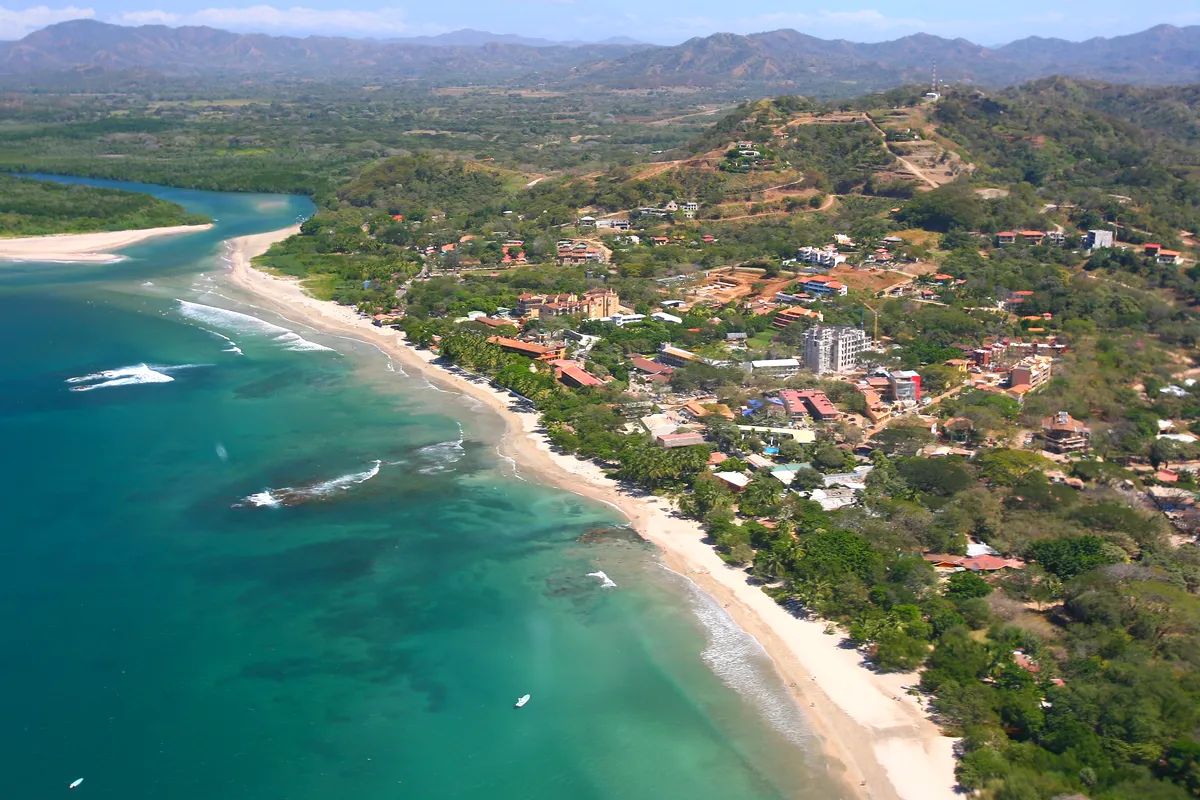
San Juan del Sur lies in the department of Rivas, about 140 km south of Managua, beside a crescent-shaped bay. The economy shifted from fishing and shipping towards tourism over the past two decades, and many foreign residents now run cafés, hostels and surf shops. The result is a town where you can eat well, find a bed at almost any budget and still reach the waves in under half an hour.
The bay itself is sheltered, so most surfers leave it each morning. The beaches that matter are spread along the coast to the north, reached by unsealed roads. Anyone who values being close to breaks as well as bars should read the next sections before deciding where to sleep.
Maderas, Remanso and Hermosa compared
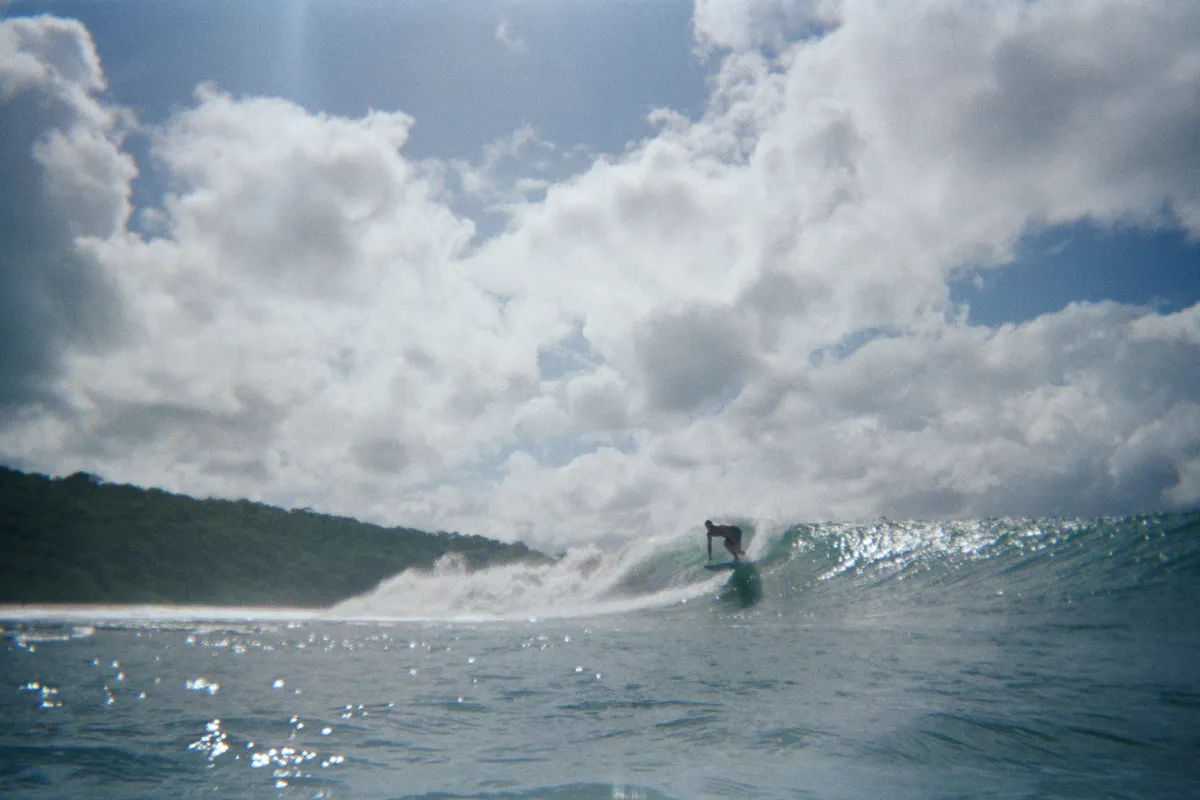
Playa Maderas is the best-known surf beach in the area and is generally regarded as the most demanding of the three. It is a beach break with rights and lefts, some rocky sections and a steady stream of surfers, and the waves can get powerful when a good swell arrives.
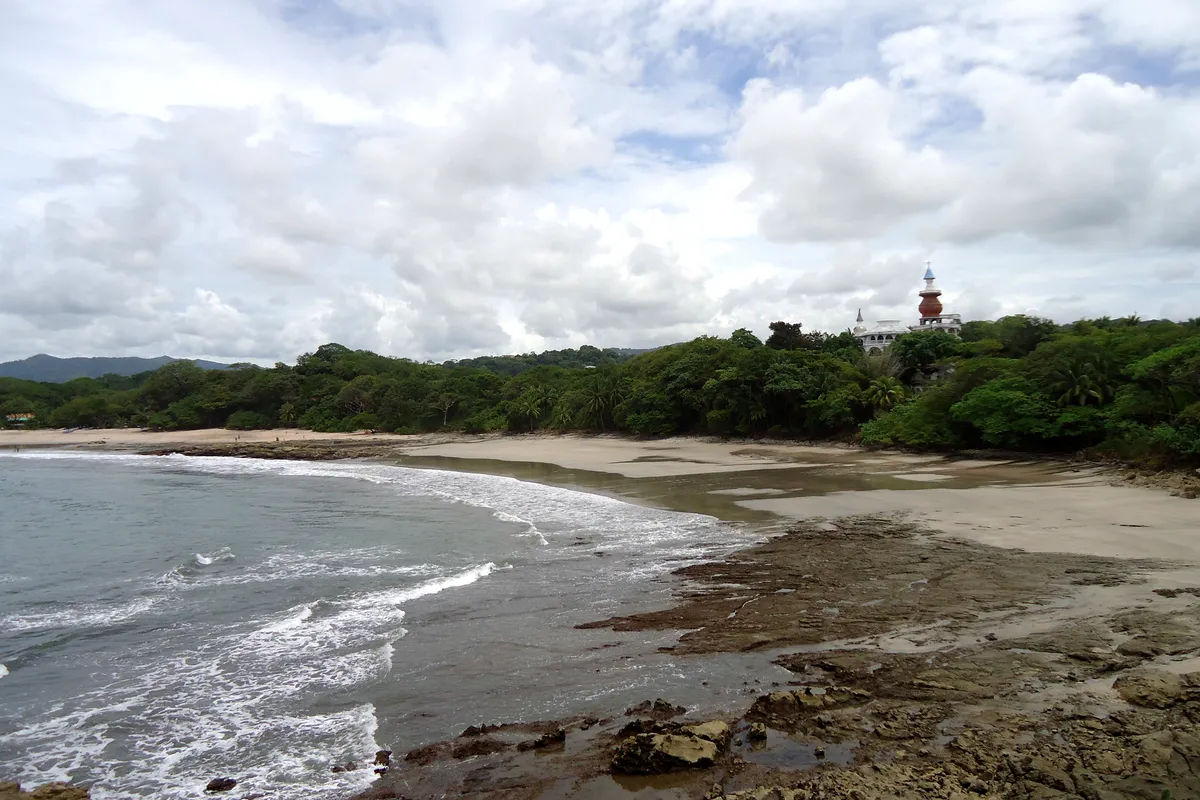
Playa Remanso is the usual starting point for beginners. Accounts describe the wave as slower and softer than at Maderas, and the beach is wide enough to avoid constant dodging. Playa Hermosa sits in between: stronger than Remanso, usually less so than Maderas, and capable of getting much larger in a big swell. Conditions change with sandbanks and tide, so the three beaches are worth checking in sequence, not choosing in advance.
Shuttles, trucks and getting to the beaches
Without a car you rely on shuttles. Several operators run daily trips from town to Maderas, usually with more departures than to Hermosa or Remanso, which often have a single return trip each day. Schedules change by operator and season, so check times the day before and ask when the last pick-up leaves.
A rented quad, motorbike or 4x4 gives freedom but the roads can be rough, especially after rain. Many surf camps and lodges organise transport, which can be convenient if you want early sessions. Keep to marked tracks and avoid driving after dark.
Wind, swell and the dry-season pattern
San Juan del Sur has a tropical savanna climate, with a dry season from December to May and heavy rain for the rest of the year. The dry months bring steady offshore winds that can hold waves up, though they can also make them harder to read, and the swell tends to be smaller. The wetter months bring larger south and south-west groundswells, with the risk of onshore afternoons and murky water.
Because of this, the best months for waves and the best months for weather do not match. Beginners often do better from December to April; confident surfers tend to prefer the larger swell in the rainy season.
The town: bay, hill and party reputation
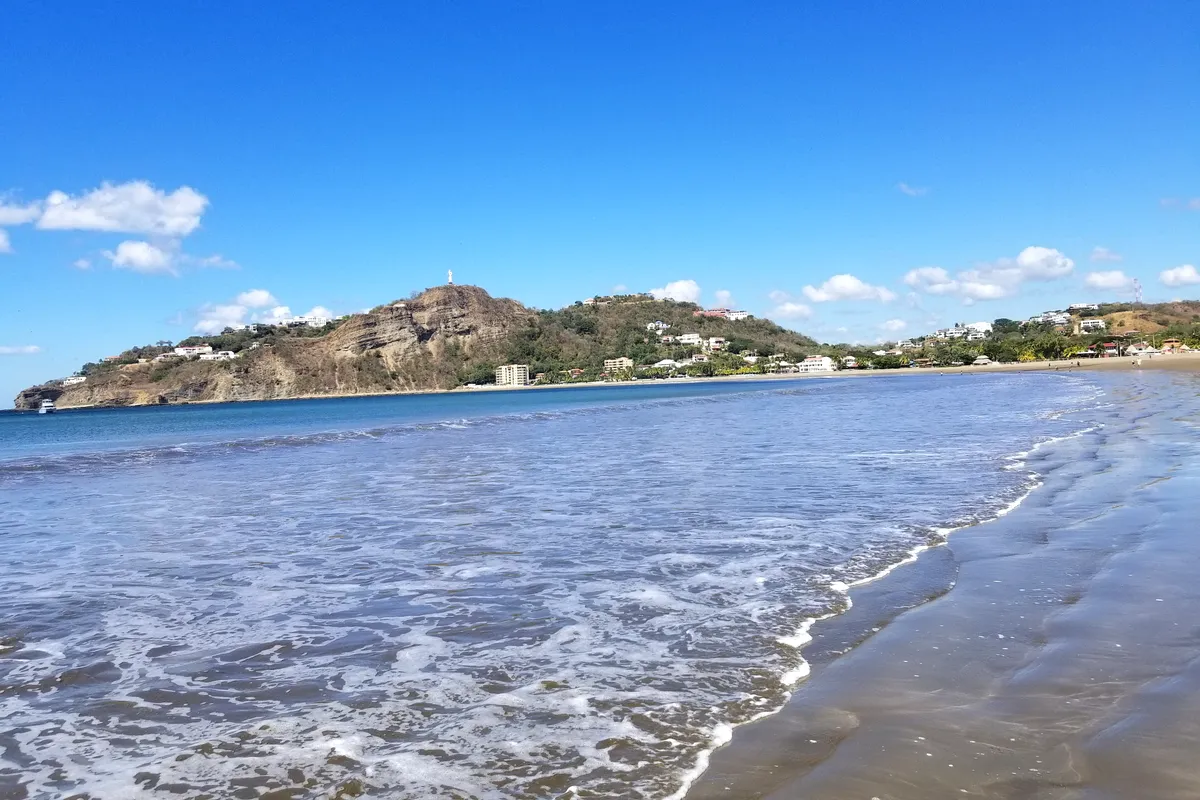
The waterfront is lined with restaurants, small markets and hostels, and a statue of the Christ of the Mercy stands on a hill at the northern end of the bay, one of the tallest Jesus statues in the world. The town was a resting place for gold prospectors in the 1850s on their way to California, and its position on the narrow isthmus between the Pacific and Lake Nicaragua has made it a recurring location in proposals for a canal.
San Juan del Sur also has a strong party reputation, with weekly pub crawls. If you want to surf early, choose accommodation away from the waterfront or out near Maderas, and treat late nights as part of the cost of the early start.
Reaching San Juan del Sur from Managua
Managua's international airport is the main gateway. The road south passes through Rivas, and the trip usually takes between two and three hours depending on traffic and stops. Shared shuttles and private transfers are common, and public buses run from Managua to Rivas, with local transport onward to town.
The Costa Rican border is within reach to the south, so the town can be combined with a route into Guanacaste. Popoyo, the country's other main surf area, lies to the north and generally takes a few hours by road, so plan transfers carefully if you want to split a trip between the two.
Earthquakes, roads and other practical cautions
Nicaragua's Pacific coast is seismically active. In 1992 an earthquake of magnitude 7.0 generated a tsunami that reached about five metres in the town, and a large part of the housing was destroyed. It is worth asking your accommodation about evacuation routes and signs, and not ignoring official alerts.
In the water, the main risks are rips, shifting sandbanks and rocks at the edges of the beaches. On land, petty theft from unattended bags and vehicles on beaches is the usual problem; leave valuables in your lodging and carry only what you need for the session.
Choosing a base: town, beach or in between
Staying in town gives the widest choice of restaurants and the easiest transport, but you will spend time every day travelling to the surf. Staying near Maderas puts you a few minutes from the break, with a quieter atmosphere and fewer services. Many surfers split a stay, with a few nights at the beach followed by a few in town. Book ahead for the dry season and for Holy Week, when Nicaraguan families fill the coast.
San Juan del Sur surf season month by month
A broad planning picture, not a forecast. Swell, wind and water temperature vary from year to year.
| January | Dry, hot and windy, with offshore breezes. Waves are usually smaller, so it suits beginners and learners at Remanso. |
|---|---|
| February | Peak dry season with strong offshore winds. Reasonable for careful learners and a busy time for tourists. |
| March | Still dry and hot, with smaller swells. Check the forecast for the occasional south pulse and expect a lively town. |
| April | The last of the dry weather, with the first bigger swells arriving. Good for intermediates who want warm, quiet water. |
| May | Rains begin and south swells strengthen. More consistent waves, with a few onshore afternoons. |
| June | The wet season builds with bigger groundswell. Mornings are usually best before the wind and showers arrive. |
| July | Consistent, sizeable waves for confident surfers. Quiet beaches on weekdays; expect muddy water after rain. |
| August | A strong swell month with fewer visitors. Maderas can be heavy, so beginners should stay at Remanso. |
| September | Often the wettest period, with large waves and cloud. Good for experienced surfers who don't mind rain. |
| October | Heavy rain but big, regular swell. Roads to the beaches can be slippery and rivers high. |
| November | The rains ease and the swell remains good. A comfortable month with fewer people and a green landscape. |
| December | Dry weather returns with offshore winds and festive crowds. Waves are smaller; book ahead for the holidays. |
Where and how to take lessons
Lessons in San Juan del Sur are almost always given at beaches outside the bay, usually Remanso or Maderas on small days, with transport included by schools or arranged separately. Ask what is included: board, rash vest, shuttle and instructor-to-student ratio.
Choose a lesson length that fits the heat, as midday sessions are tiring. Early morning offers better conditions and fewer people. Beginners should avoid heading out on larger swells at Maderas, where rocks, rips and crowds make it harder to stay safe. After a few days, ask your instructor whether Hermosa is suitable on that tide.
Comparing options across the country? Read our guide to surfing in Nicaragua.
Seasonal notes on this page describe typical patterns, not the conditions on a given day. Use the local forecast, lifeguard advice and a qualified instructor for water-safety decisions, and get a written breakdown of what any surf package includes before paying.
San Juan del Sur surf trip questions
When is the best time to surf in San Juan del Sur?
The rainy season, May to November, brings the larger south and south-west swells. The dry season is calmer, with strong offshore winds and smaller waves, and suits beginners better.
Can I surf in San Juan del Sur town?
The bay is sheltered and rarely offers good waves. Most surfers take a shuttle or drive to Maderas, Remanso or Hermosa, a short distance to the north.
Which beach is best for beginners?
Playa Remanso is the usual choice because its waves are slower and softer. Playa Maderas is better left to intermediates and above on larger days.
How do I get from Managua to San Juan del Sur?
It is about 140 km south, and the trip generally takes two to three hours by private transfer, shuttle or bus to Rivas followed by local transport.
Is San Juan del Sur safe?
It is a popular tourist town, and petty theft is the usual problem, particularly from bags left on beaches. Take only what you need, use reputable transport and check current government advice before travelling.
Sources & editorial notes
Destination context checked against the sources below. Base-selection and itinerary suggestions are Book & Surf editorial recommendations. Seasonal windows are broad planning suggestions, not measured forecasts or guarantees.
- Wikipedia: San Juan del Sur ↗
- Life in Nica: the beaches of San Juan del Sur ↗
- Surf Atlas: Nicaragua ↗
- Chica Brava: Learn to surf in Nicaragua ↗
We do not claim to have personally surfed every break. Read our editorial standards.