The breaks
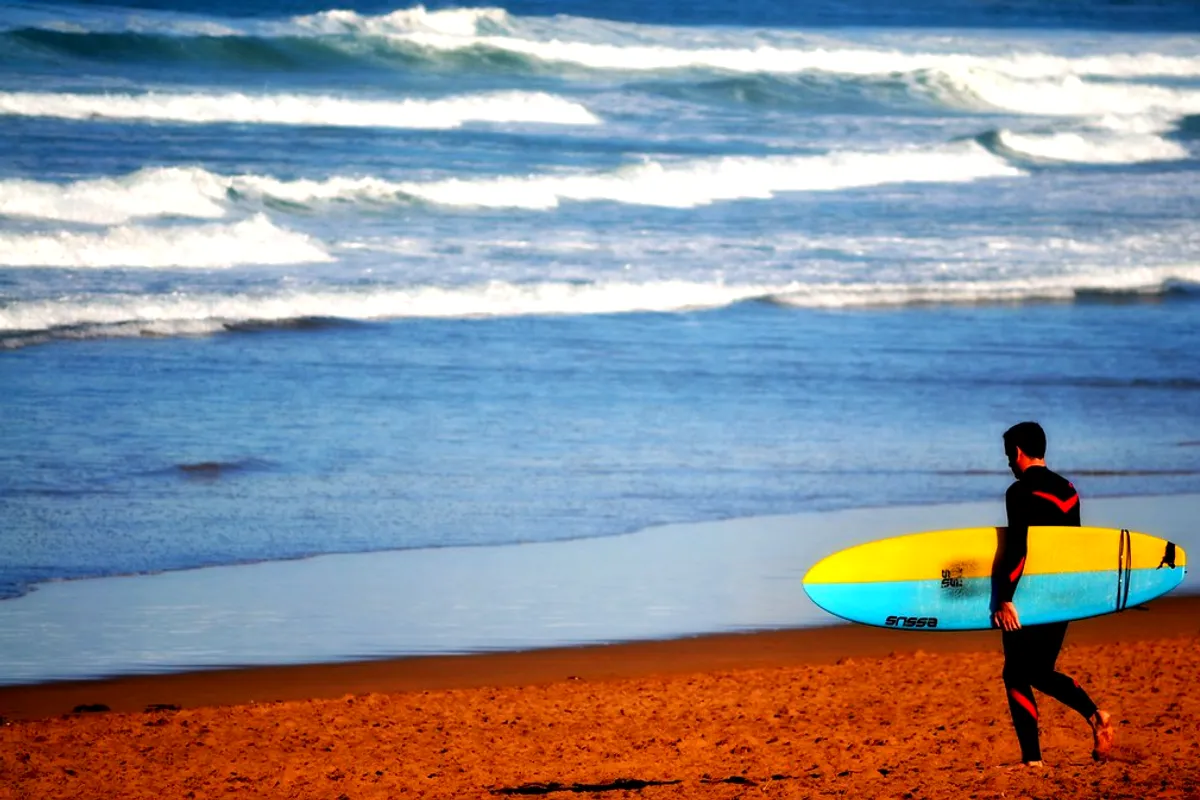
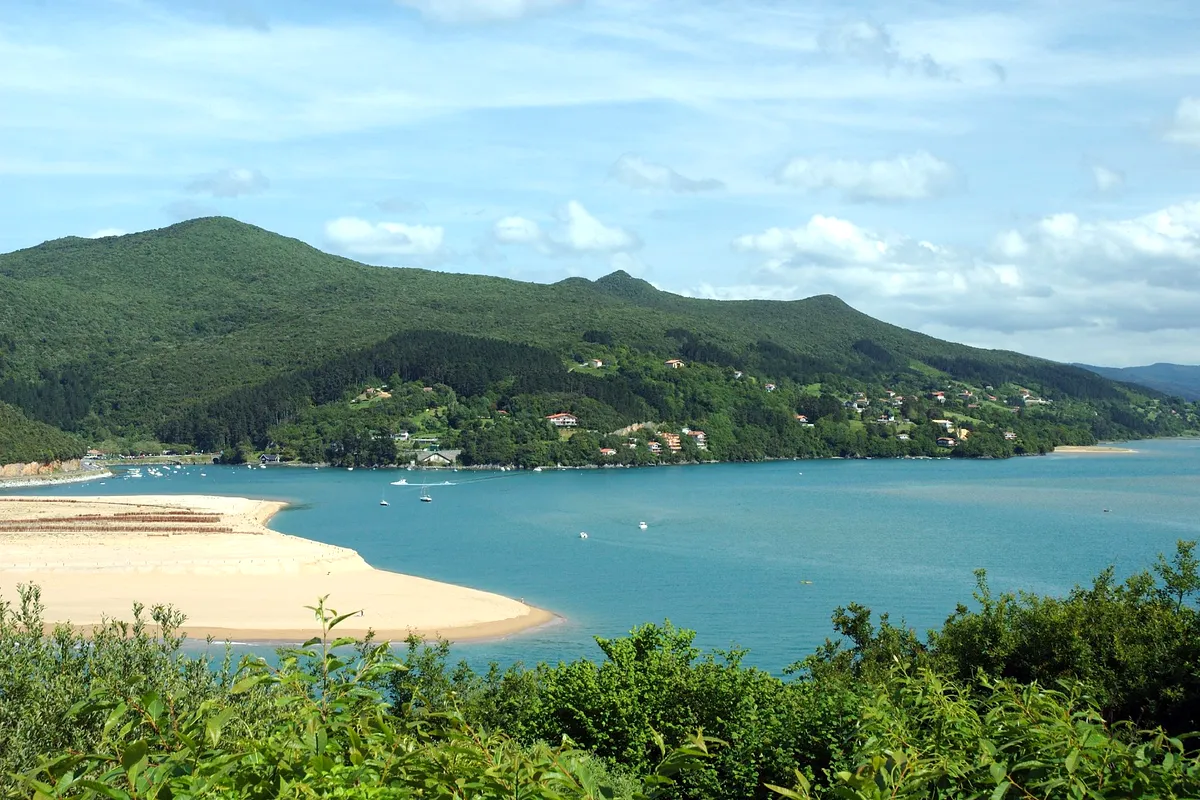
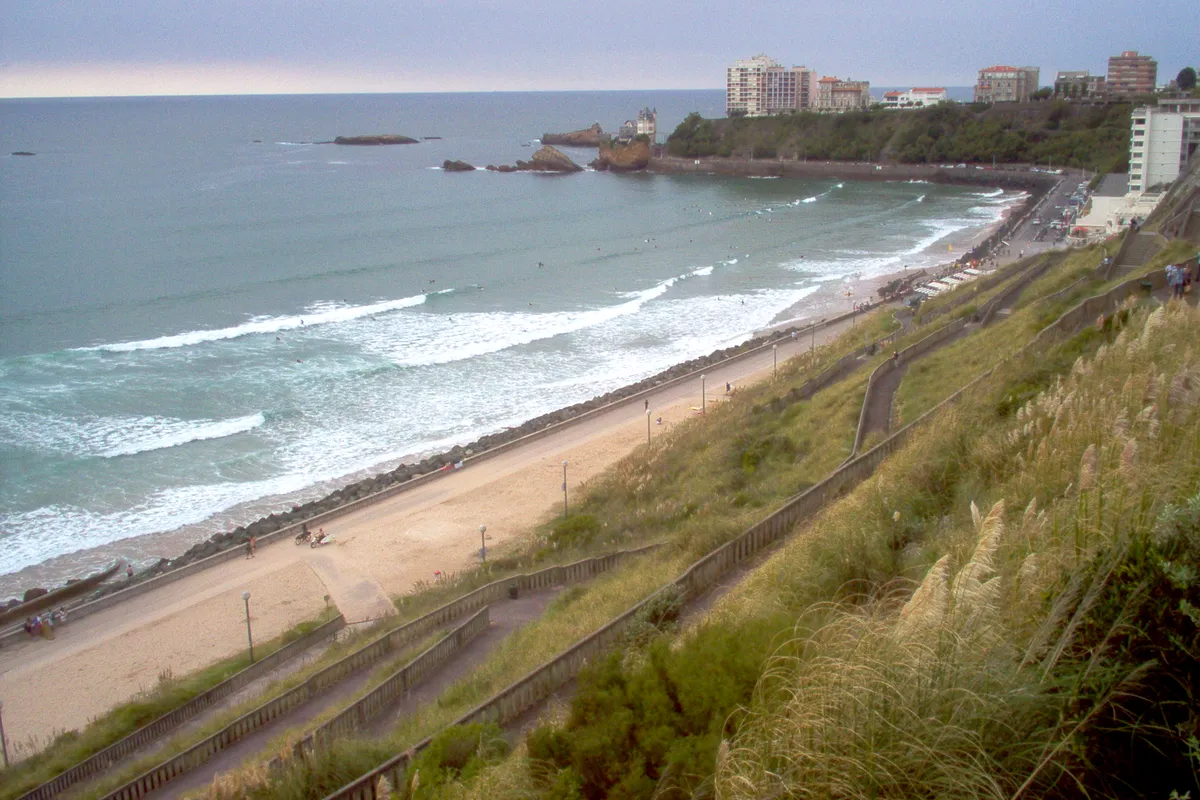
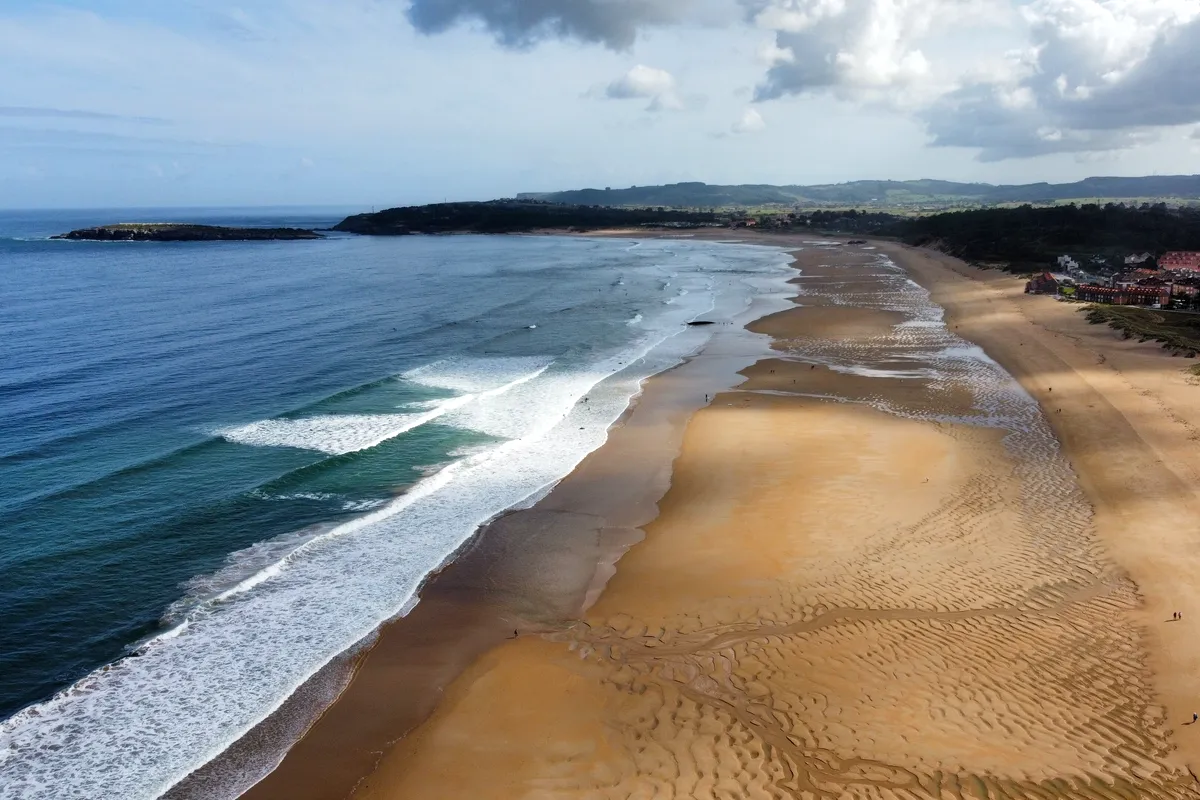
Recognised, publicly known surf spots around Somo. Suitability depends on the day's swell, wind and tide, so treat the level as a guide, not a guarantee.
| Break | Type | Best for | Notes |
|---|---|---|---|
| Somo main beach | Beach break | Beginner–Intermediate | The village end of the long beach, full of schools and learners. Gentle white water, but crowded; rips can form around the banks. |
| Loredo | Beach break | Intermediate | East of Somo, where the sand continues towards Loredo. Slightly less crowded than the village end, with steeper banks on some tides. |
| Langre | Beach break | Intermediate–Advanced | A short drive from Somo, more powerful than the village beach. Rocks at the edges and stronger currents; check the conditions locally. |
| Liencres | Beach and dune break | Intermediate–Advanced | West of Santander in a dune system. Waves can be heavier than at Somo, and distance from help makes it unsuitable for solo beginners. |
| Berria | Beach break | Beginner–Intermediate | A sandy-bottomed alternative mentioned alongside Somo and Merón as a learning beach; conditions depend on swell direction and tide. |
Somo surf climate, measured
Ten years of ocean model data for the open water off this coast: what the swell usually looks like before it reaches the beach. Shelter, sandbars and reefs change what you actually surf, so read this next to the month notes below.
| Month | Swell | Period | From | Wind | Water | Wetsuit | Days over 2.5 m |
|---|---|---|---|---|---|---|---|
| Jan | 2.0 m | 13 s | NW | 16 km/h W | 13°C | 4/3 mm full suit | 33% |
| Feb | 2.2 m | 14 s | NW | 15 km/h W | 13°C | 4/3 mm full suit | 43% |
| Mar | 2.0 m | 13 s | NW | 12 km/h W | 13°C | 4/3 mm full suit | 30% |
| Apr | 1.1 m | 12 s | NW | 12 km/h N | 13°C | 4/3 mm full suit | 5% |
| May | 1.0 m | 11 s | NW | 14 km/h N | 15°C | 4/3 mm full suit | 3% |
| Jun | 1.0 m | 10 s | NW | 13 km/h NW | 18°C | 3/2 mm full suit | 0% |
| Jul | 0.9 m | 9 s | NW | 13 km/h NE | 21°C | 2 mm shorty or spring suit | 0% |
| Aug | 0.9 m | 10 s | NW | 11 km/h NW | 22°C | Rash vest or 1 mm top | 5% |
| Sep | 1.2 m | 10 s | NW | 13 km/h NW | 21°C | 2 mm shorty or spring suit | 3% |
| Oct | 1.3 m | 12 s | NW | 10 km/h E | 19°C | 2 mm shorty or spring suit | 3% |
| Nov | 1.6 m | 12 s | NW | 12 km/h W | 16°C | 3/2 mm full suit | 20% |
| Dec | 1.9 m | 12 s | NW | 11 km/h S | 15°C | 4/3 mm full suit | 23% |
Median values from ERA5 at a sea point near Somo (43.5°N, 3.75°W), sampled 4 days a month at 12:00 UTC, 2015-2024. Highlighted months are our suggested planning window. Not a forecast or a safety assessment. How we use this data.
Book a surf trip to Somo
Everything we can link you to for this trip, grouped by what you need. Before you pay a camp or school, read who holds your money, and check that your insurance covers surfing.
Where to stay
Search near the breaks. Filter for surf hostels, apartments or hotels once you can see the map.
Surf lessons and activities
Listings change by season, so check what the operator includes and who coaches.
Flights
Add your dates and check the board fee on every leg before you pay.
Car hire
Ask about roof racks and whether the insurance covers boards on the roof.
Airport transfer
Tell the driver you have a board and its length when you book.
Mobile data
Download a forecast app and offline maps before you land.
Flight delay claims
If a delay eats your first surf day, check whether you can claim.
Luggage storage
Useful between check-out and a late flight. Check the size limit before dropping a board.
Links marked as partner links may earn us commission at no cost to you; the rest earn us nothing. We have not checked live availability or price, and the seller's terms apply. How we handle this.
Cheapest months to fly to Somo
Lowest return fare to SDR that Aviasales users found recently, in US dollars. Treat these as a guide to which months are cheaper, not as prices you can book today.
| From | Nov 26 | Dec 26 |
|---|---|---|
| Frankfurt | $177 | $247 |
Prices seen by 1 November 2026. Travelpayouts Data API. Board fees are extra on most airlines: see our surfboard baggage guide.
Why Somo became the place to learn
Somo sits within the municipality of Ribamontán al Mar, close to Santander across the bay. The beach is long, and sources give differing figures: one describes more than four kilometres of sand, rising to around seven when it joins Loredo to the east. The sea floor is sandy, the shoreline is wide at low tide, and the waves tend to break in forgiving fashion over a large area, rather than in one tight peak.
That combination is why generations of Spanish surfers took their first lessons here. A school on the sand dates from 1991, according to its own site, which describes it as the first surf and bodyboard school in the country. Treat that kind of claim as the school's own marketing, but the broader point stands: there are many schools, many boards to rent and a culture of teaching that has been established for decades.
How the waves change with the tide
A long beach break behaves differently along its length and at different tides. Close to the village, the waves are often softer and more crowded with learners. Further along towards Loredo, the banks can be steeper and more varied, and the crowds spread out. Low tide can leave a lot of flat sand between you and the water, while high tide can compress waves and push everyone into a smaller strip.
Before a session, watch for ten minutes. Notice where the schools are, where the rips pull water out to sea and where experienced surfers are positioned. Rips on this kind of beach are usually the main hazard, even when the waves look small, and they can pull a tired learner away from the beach quickly.
Cantabria beyond Somo: Langre, Liencres and others
When Somo is flat or messy, Cantabria offers a series of alternatives within a short drive. Langre and Liencres are better known for stronger, more committing waves, and are generally better suited to experienced surfers than to first-timers. Which one works depends on the swell direction and size, the tide and the wind, so ask a local shop before you drive.
The region faces north to the Bay of Biscay and receives swell mostly from the north-west and west. Winter brings the biggest waves; summer is much smaller. A car makes a Cantabrian surf trip richer, but you can live happily on Somo's beach for a week without one.
Where to stay: village or city
Somo itself is a village of guesthouses, camps, bars and surf shops, and the beach is a short walk from almost anywhere in it. It is the natural base for learners, and the best choice if your plan is to surf in the morning and again in the afternoon.
Santander, across the bay, offers a larger city with museums, restaurants, a long seafront and more accommodation choice. A small boat is reported to cross between the two in season, and the road route takes around twenty minutes according to guides. Staying in Santander is a better fit for those who want a balanced trip and are happy to travel to the beach each day. Staying in Somo suits those who want to be in a surf environment from morning to night.
Santander airport and the road to the beach
Santander's airport, Seve Ballesteros, is the closest, a short drive across the bay; allow extra time at busy periods. Bilbao is the main alternative, giving a wider range of international flights, with a longer drive along the coast. Trains and buses serve Santander, and from there a bus or taxi reaches the beach.
Surf camps frequently offer transfers. If you plan to bring your own board, check with your airline about charges and size limits. Because Somo's schools rent boards and wetsuits, most visitors on a short trip travel light.
Food, bars and the off-beach evenings
Cantabria is known for its seafood, anchovies from the nearby coast and generous plates in simple restaurants. Somo has a handful of beach bars and cafés, and Santander's market area and old centre are a short journey away.
On evenings after a long day of lessons, the village is quiet. It is a place for early nights and long mornings on the sand rather than nightlife. If you want something livelier, take the boat or the bus into Santander.
Crowds, etiquette and avoiding trouble
Because Somo is so popular for learning, the first rule is to stay out of the way of lesson groups. Instructors are managing several students at once, and a beginner's board is a significant hazard in white water. Experienced surfers should head along the beach, away from the school zones, to find their own peak.
Be aware of the flag system if lifeguards are present in the bathing season, and do not go out alone if you are not confident. Always attach your leash, and leave an obvious gap between yourself and the next surfer.
Somo surf season month by month
A broad planning picture, not a forecast. Swell, wind and water temperature vary from year to year.
| January | Cold water and large north-westerly swell. The long beach can get big; learners should only go with a school and a thick wetsuit. |
|---|---|
| February | Powerful, cold and often wet. Quiet lineups, but conditions can change quickly and rips are stronger on large days. |
| March | Regular swell with lengthening days. Still chilly, so a 4/3 is typical, and lessons run in sheltered sections. |
| April | A good shoulder month with moderate swell and fewer visitors. The Easter period can be busy with school groups. |
| May | Smaller waves and gentler conditions. Good for beginners, with schools running most days before the summer rush. |
| June | Longer days, small to medium surf and warmer air. Ideal for first lessons and for families, with parking filling at weekends. |
| July | The busiest period, with lots of learners on the sand. Waves are usually small; surf early to avoid the crowds and onshore wind. |
| August | Peak holiday month. Expect crowded water, warm weather and gentle surf that suits beginners. |
| September | Crowds thin and swell begins to arrive. One of the best months for mixed ability groups, with the sea still comfortable. |
| October | More consistent waves, cooler days and a quieter village. Intermediates start to find longer rides on good banks. |
| November | Larger swell and wetter weather. Experienced surfers have more choices along the coast; learners need to be selective. |
| December | Short days and big swell. Cold water makes lessons less comfortable, and the beach has few other visitors. |
Taking lessons at Somo
Somo is arguably the best-known place in Spain to take a first lesson. The schools are lined along the sand, offer group and private classes and generally include board and wetsuit. Several run week-long camps with accommodation.
Because of the number of operators, quality varies. Look for small groups, qualified instructors and a clear safety briefing on rips and etiquette. Ask whether the school sets up in a marked area, how it handles crowds and what happens on days with bigger surf.
Most people who stay for a week progress from white water to unbroken waves. A coach can help you learn to read the banks and avoid wasting energy paddling against currents.
Comparing options across the country? Read our guide to surfing in Spain.
Seasonal notes on this page describe typical patterns, not the conditions on a given day. Use the local forecast, lifeguard advice and a qualified instructor for water-safety decisions, and get a written breakdown of what any surf package includes before paying.
Somo surf trip questions
Is Somo good for beginners?
Yes. It has a long sandy beach with soft waves, many schools and board rentals. Rips and crowds are the main issues, so stay in lesson areas and follow your instructor's advice.
How far is Somo from Santander?
Roughly twenty minutes by road according to guides, and a small boat crosses the bay in season. The airport is a little further, but still convenient.
When is the best time to surf in Somo?
For beginners, from late spring to early autumn. For experienced surfers, September to April brings larger swell, though the water is cold and the weather changeable.
Do I need a wetsuit in Somo?
Yes. The Bay of Biscay is cool even in summer, when a 3/2 is typical. Winter calls for a 4/3 or 5/4, and schools generally include equipment.
Can I surf elsewhere in Cantabria?
Yes. Langre, Liencres and other beaches lie within a short drive, and the region has further options along the coast. Some are better suited to experienced surfers.
Sources & editorial notes
Destination context checked against the sources below. Base-selection and itinerary suggestions are Book & Surf editorial recommendations. Seasonal windows are broad planning suggestions, not measured forecasts or guarantees.
We do not claim to have personally surfed every break. Read our editorial standards.