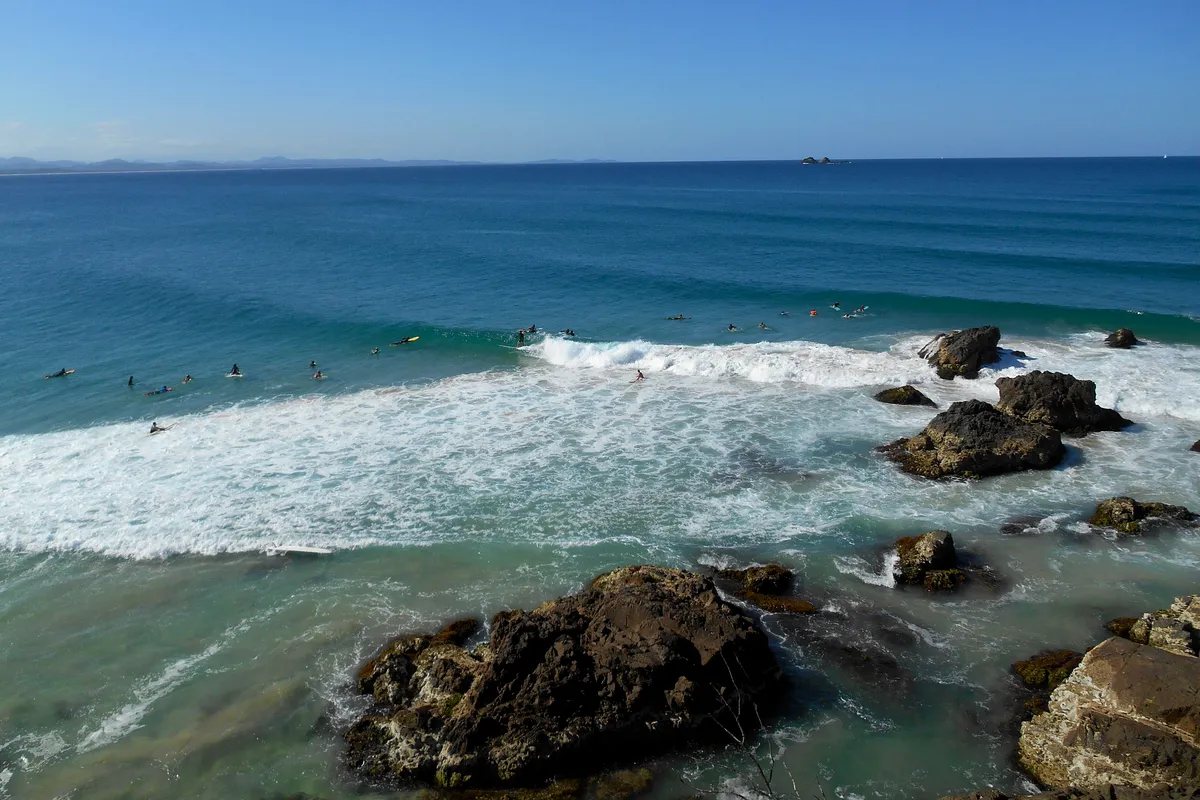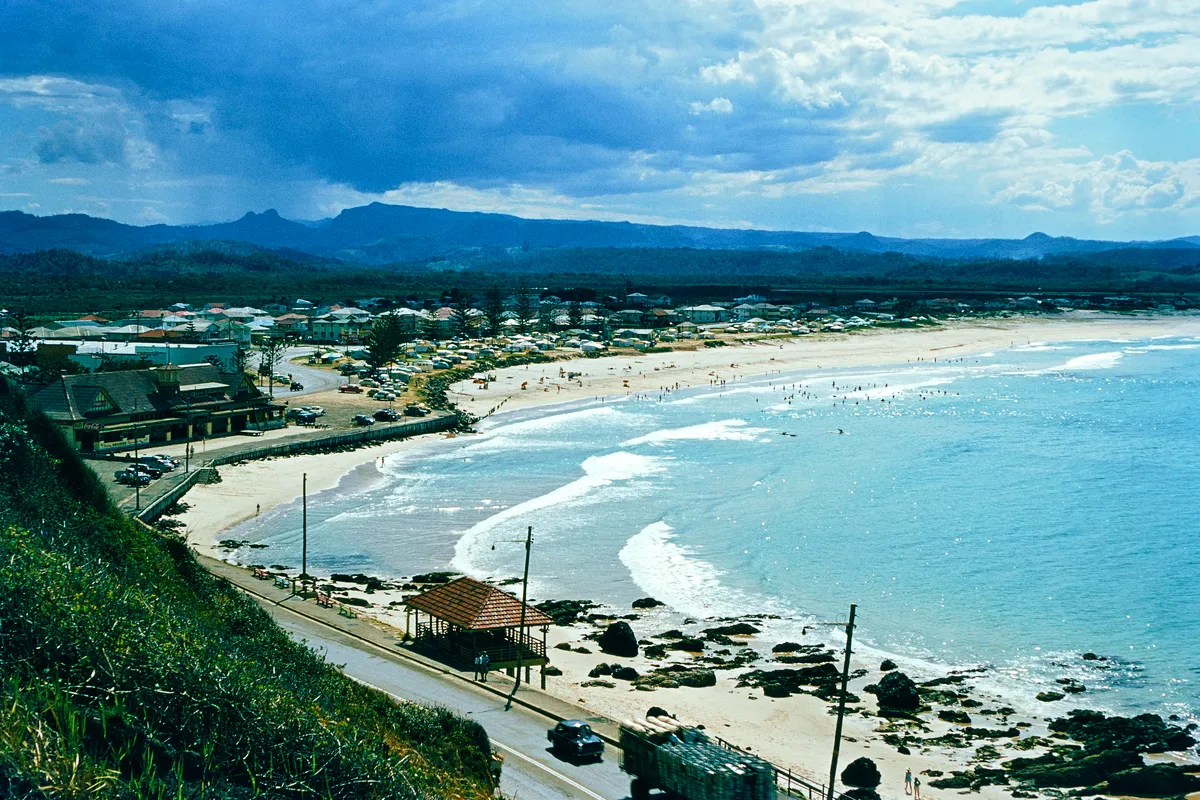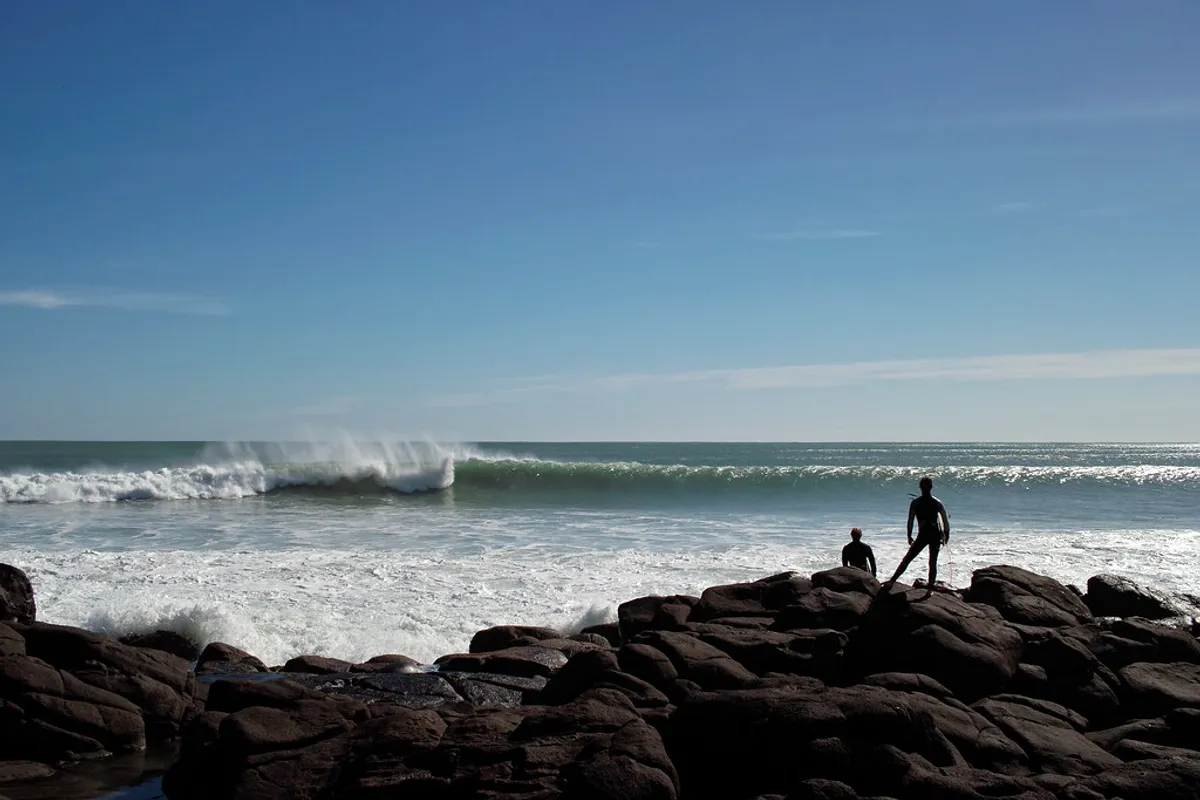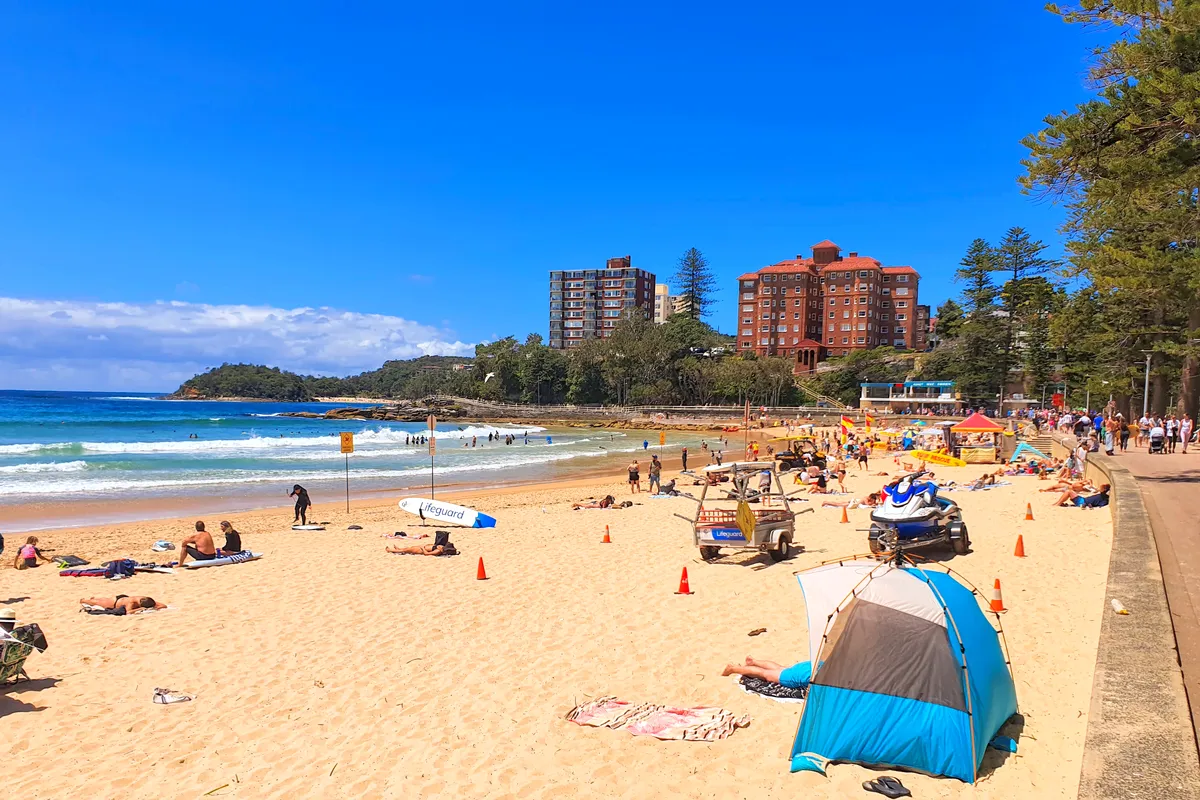
The breaks
Recognised, publicly known surf spots around Sydney. Suitability depends on the day's swell, wind and tide, so treat the level as a guide, not a guarantee.
| Break | Type | Best for | Notes |
|---|---|---|---|
| Bondi Beach | Beach break | Beginner–Intermediate | Sydney's best-known beach. Lessons run on the south side in summer and the northern end has a strong rip. Crowded, patrolled and easy to reach. |
| Manly (Queenscliff to the south corner) | Beach break | Beginner–Intermediate | A long stretch with peaks to suit most levels. The south end is sheltered from some winds and popular with schools. Queenscliff at the north end is more powerful. |
| Dee Why | Beach break and point | Intermediate | A Northern Beaches regular with a headland at one end. It handles a range of swell directions and is usually less crowded than Manly. |
| North Narrabeen | Sand-bottom point/beach | Intermediate–Advanced | One of the most consistent waves on the Northern Beaches and often crowded with skilled locals. Strong rips on bigger swells. |
| Maroubra | Beach break | Intermediate | A south-eastern suburb with a long surfing heritage. Picks up southerly swells well but can be gutless at low tide. |
| Shark Island, Cronulla | Reef | Advanced | A fast reef wave breaking close to a rock ledge. For experienced surfers only; check conditions and respect the locals. |
Sydney surf climate, measured
Ten years of ocean model data for the open water off this coast: what the swell usually looks like before it reaches the beach. Shelter, sandbars and reefs change what you actually surf, so read this next to the month notes below.
| Month | Swell | Period | From | Wind | Water | Wetsuit | Days over 2.5 m |
|---|---|---|---|---|---|---|---|
| Jan | 1.6 m | 9 s | E | 16 km/h NE | 23°C | Rash vest or 1 mm top | 3% |
| Feb | 1.7 m | 9 s | E | 20 km/h NE | 24°C | Rash vest or 1 mm top | 10% |
| Mar | 1.7 m | 9 s | SE | 16 km/h NE | 24°C | Rash vest or 1 mm top | 10% |
| Apr | 1.5 m | 9 s | SE | 14 km/h N | 22°C | Rash vest or 1 mm top | 8% |
| May | 1.6 m | 9 s | S | 15 km/h N | 21°C | 2 mm shorty or spring suit | 5% |
| Jun | 1.7 m | 10 s | S | 19 km/h NW | 20°C | 2 mm shorty or spring suit | 18% |
| Jul | 1.6 m | 10 s | S | 18 km/h NW | 18°C | 3/2 mm full suit | 15% |
| Aug | 1.6 m | 10 s | SE | 19 km/h N | 18°C | 3/2 mm full suit | 8% |
| Sep | 1.6 m | 10 s | S | 15 km/h S | 18°C | 3/2 mm full suit | 10% |
| Oct | 1.6 m | 9 s | SE | 16 km/h NE | 19°C | 2 mm shorty or spring suit | 10% |
| Nov | 1.5 m | 8 s | SE | 14 km/h NE | 20°C | 2 mm shorty or spring suit | 5% |
| Dec | 1.4 m | 9 s | E | 16 km/h NE | 21°C | 2 mm shorty or spring suit | 5% |
Median values from ERA5 at a sea point near Sydney (33.75°S, 151.25°E), sampled 4 days a month at 12:00 UTC, 2015-2024. Highlighted months are our suggested planning window. Not a forecast or a safety assessment. How we use this data.
Book a surf trip to Sydney
Everything we can link you to for this trip, grouped by what you need. Before you pay a camp or school, read who holds your money, and check that your insurance covers surfing.
Where to stay
Search near the breaks. Filter for surf hostels, apartments or hotels once you can see the map.
Surf lessons and activities
Listings change by season, so check what the operator includes and who coaches.
Flights
Add your dates and check the board fee on every leg before you pay.
Car hire
Ask about roof racks and whether the insurance covers boards on the roof.
Airport transfer
Tell the driver you have a board and its length when you book.
Mobile data
Download a forecast app and offline maps before you land.
Flight delay claims
If a delay eats your first surf day, check whether you can claim.
Luggage storage
Useful between check-out and a late flight. Check the size limit before dropping a board.
Links marked as partner links may earn us commission at no cost to you; the rest earn us nothing. We have not checked live availability or price, and the seller's terms apply. How we handle this.
Cheapest months to fly to Sydney
Lowest return fare to SYD that Aviasales users found recently, in US dollars. Treat these as a guide to which months are cheaper, not as prices you can book today.
| From | Nov 26 | Dec 26 | Jan 27 | Feb 27 | Mar 27 | Apr 27 |
|---|---|---|---|---|---|---|
| London | $916 | $930 | $1079 | – | $1317 | $1028 |
| New York | $1283 | $3319 | $1451 | – | $1159 | – |
| Los Angeles | $919 | $1133 | – | – | $801 | – |
| Frankfurt | $1029 | $1098 | $1100 | $1061 | $1026 | – |
Prices seen by 1 November 2026. Travelpayouts Data API. Board fees are extra on most airlines: see our surfboard baggage guide.
Ocean beaches inside a global city
Sydney sits on a coast that faces the Tasman Sea, and the harbour mouth is a gap in a line of sandstone cliffs. North of the heads the Northern Beaches run for around thirty kilometres from Manly to Palm Beach. South of the heads the eastern suburbs have Bondi, Tamarama, Bronte, Coogee and Maroubra, and further south Cronulla looks out over a long run of beach and a famous reef.
That gives you dozens of line-ups with different aspects, so on most days one of them is working and another is blown out. The trade-off is population: this is a city of several million people, and the best-known beaches are busy at weekends and in every school holiday. Plan sessions for early mornings and weekdays, and treat the crowd as part of the experience rather than a surprise.
Surf and surf lifesaving: a shared history
Surfing in Australia grew up alongside the surf life saving movement, and in Sydney the two are still closely tied. Volunteer clubs patrol most of the main beaches in summer, and many of the older clubhouses double as landmarks. Freshwater, on the Northern Beaches, is the place where the Hawaiian waterman Duke Kahanamoku gave a surfing demonstration in the mid-1910s, and his board is displayed at the local club.
For a visitor the practical point is the flags. Red and yellow flags mark the patrolled swimming area, and surfers are asked to stay outside it, usually in a zone marked with black-and-white flags or simply along the beach away from swimmers. Ask a lifeguard where the surf zone is, particularly at Bondi, where swimmers, learners and board riders share a short beach.
Reading the rips and the rocks
Almost every Sydney beach has rips, and the sandstone headlands often mean that the rip runs out beside a rock shelf. Bondi's northern end is the textbook case: a rip that regularly carries people from the beach to the surf zone and has caught out many first-time visitors. Locals use rips as a free paddle out, but they are unforgiving if you tire.
The other hazards are rock platforms and shallow reefs. Cronulla's Shark Island is a reef wave that breaks very close to a rock ledge and belongs to experienced surfers only. Check the swell size before leaving the car: small days at an exposed beach can still produce heavy shore dump when the tide is wrong. If you are not sure, surf between the flags at a patrolled beach and ask the lifeguards for their read on the day.
Sharks, nets and common sense
Sydney has had shark incidents, and the state government runs a mix of netting and other measures at many beaches. Nets reduce the risk at the beaches they cover but do not remove it, so the usual precautions apply. Avoid surfing at dawn and dusk, stay out of murky water after heavy rain, and do not surf alone near river mouths or where baitfish are visible.
Most visitors will never see a shark, and the risk is far lower than the risk from rips, but it is a real part of Australian surfing and worth a clear-eyed look at current advice from the state authorities and the beach you plan to use. Local surf shops and lifeguards are the best source for what has been happening recently.
Choosing a base: ferry, train or car
Manly is the easiest base for a surf trip. The ferry from Circular Quay takes about half an hour, the beach has gentle waves on most days and the Northern Beaches are all within a short bus ride. Bondi and the eastern suburbs suit people who want more of the city: restaurants, galleries and the coastal walk to Coogee are on the doorstep, and the surf is hit-and-miss but consistent enough for lessons.
Cronulla is the outlier. It is a seaside suburb at the end of a train line from Central, with a relaxed surf scene and a mixture of beach and reef breaks. If you want to surf quieter beaches, stay in the northern part of the Northern Beaches around Newport or Avalon, where there is less foot traffic than at Manly or Bondi, although a car becomes more useful there.
Getting in from the airport
Sydney Airport is a rail link away from the city centre, and from there ferries, buses and trains fan out to the coast. Bondi is reached by train to Bondi Junction and a short bus ride. Cronulla is on a direct train line. The Northern Beaches have no rail line, so you rely on buses, taxis or the Manly ferry, and a rental car makes it easier to chase conditions if you are staying more than a few days.
A straight transfer by road from the airport to Manly or Dee Why typically takes somewhere between 45 minutes and an hour and a quarter, depending on the time of day and the traffic on the bridge and tunnel. If you are flying in with a board, check the airline's policy and consider renting locally, because rental and hire shops are easy to find in every surf suburb.
A day plan when the surf is flat
Sydney's advantage over most surf towns is the list of things to do when the ocean is lake-flat. The coastal walk from Bondi to Coogee takes in rock pools, headlands and small bays and fits comfortably into a morning. The Manly ferry gives a harbour view of the Opera House and the bridge. The Royal Botanic Garden and the Rocks neighbourhood sit close to Circular Quay.
On the surf side, a rest day can be spent watching the club nippers train in summer or visiting one of the Northern Beaches' ocean pools. Plenty of visitors treat Sydney as the city half of a longer trip north to Byron Bay or the Gold Coast, but there is enough here for a week without going anywhere else.
Sydney surf season month by month
A broad planning picture, not a forecast. Swell, wind and water temperature vary from year to year.
| January | Peak summer, warm water of 22 to 24°C and mostly small to moderate surf. Beaches are packed, so go early. A shorty or just boardshorts is usually enough. |
|---|---|
| February | Very warm water and sometimes cyclone-driven swell from the north-east. Crowded but good for beginners learning in small waves. |
| March | A good time for visitors: warm water, fewer crowds than January and more consistent swells arriving from the south. Afternoon sea breezes are still common. |
| April | Autumn brings clean mornings and regular swell, often the best balance of warm water and shorter queues. Water is still around 21 to 22°C. |
| May | A quieter month with consistent south swells and cooling water. A 3/2 wetsuit makes sense by the end of the month, especially for early sessions. |
| June | Early winter. Water temperatures drop towards 18°C and the beaches are far less crowded. South swells arrive often and offshore westerlies clean up the line-ups. |
| July | Coldest water of the year, roughly 16 to 18°C. Surf can be big and powerful on southerly storm swells; beginners should choose sheltered corners. |
| August | Still wintry with solid swell and strong westerlies. A 3/2 or 4/3 is usual. A good month for experienced surfers who like quiet water. |
| September | Spring brings changeable weather and a mix of swell directions. Water starts to warm slowly, and northerly winds can blow out some mornings. |
| October | Lengthening days and fewer visitors than summer. Swell becomes smaller and more variable, but the beaches are comfortable for learners. |
| November | Warm days returning, northeast sea breezes most afternoons and small waves on many days. Water is nearing 20°C. |
| December | Holiday crowds arrive. Water temperatures climb again and surf is usually small, with the best conditions early in the morning before the breeze. |
Learning to surf in Sydney
Sydney is one of the easiest big cities in the world to take a first lesson. Bondi and Manly have the largest number of schools, and further north Dee Why, Collaroy and the southern Northern Beaches also host group classes. In the south, Cronulla and Maroubra have their own operators. Most lessons run for around two hours in a group, with the wetsuit and soft-top board included.
Bondi and Manly are busy, so check how many students each instructor takes and whether the class will have its own area of the beach or share it with swimmers. A school that runs in the morning will usually find calmer water than the afternoon sessions, when onshore breezes start up.
If you already surf and want to progress, ask about coaching sessions at the quieter Northern Beaches. A good coach will explain rips, take-off zones and local etiquette, which help more than a few extra waves.
Comparing options across the country? Read our guide to surfing in Australia.
Seasonal notes on this page describe typical patterns, not the conditions on a given day. Use the local forecast, lifeguard advice and a qualified instructor for water-safety decisions, and get a written breakdown of what any surf package includes before paying.
Sydney surf trip questions
When is the best time to surf in Sydney?
Autumn, from March to May, tends to offer the best mix of warm water, steady swell and fewer crowds. Winter has the biggest waves and coldest water, while summer is better for beginners but busy.
Is Sydney good for beginners?
Yes, with a school. Manly and Bondi both have lessons and lifeguards, and the waves are often small enough to learn on. Beginners should stay between the flags and avoid the rock shelves and headland rips.
Do I need a wetsuit in Sydney?
In summer, boardshorts or a thin shorty are usually enough. In winter, water temperatures of roughly 16 to 18°C call for a 3/2 or 4/3 full suit. Spring and autumn sit in between.
Are there sharks in Sydney?
Sharks live in the waters off Sydney and incidents do happen, though they are rare. Some beaches have nets and drum lines, which reduce but do not remove the risk. Avoid dawn, dusk and murky water.
How do I get to the Northern Beaches without a car?
The Manly ferry from Circular Quay is the easiest option, and buses run along the Northern Beaches from Manly and the city. A rental car gives more freedom but parking is tight at busy beaches.
Sources & editorial notes
Destination context checked against the sources below. Base-selection and itinerary suggestions are Book & Surf editorial recommendations. Seasonal windows are broad planning suggestions, not measured forecasts or guarantees.
- Tourism Australia: Weather in Sydney ↗
- Wikipedia: Surfing in Australia ↗
- Wikipedia: Bondi Beach ↗
- Surf Life Saving Australia ↗
We do not claim to have personally surfed every break. Read our editorial standards.