The breaks
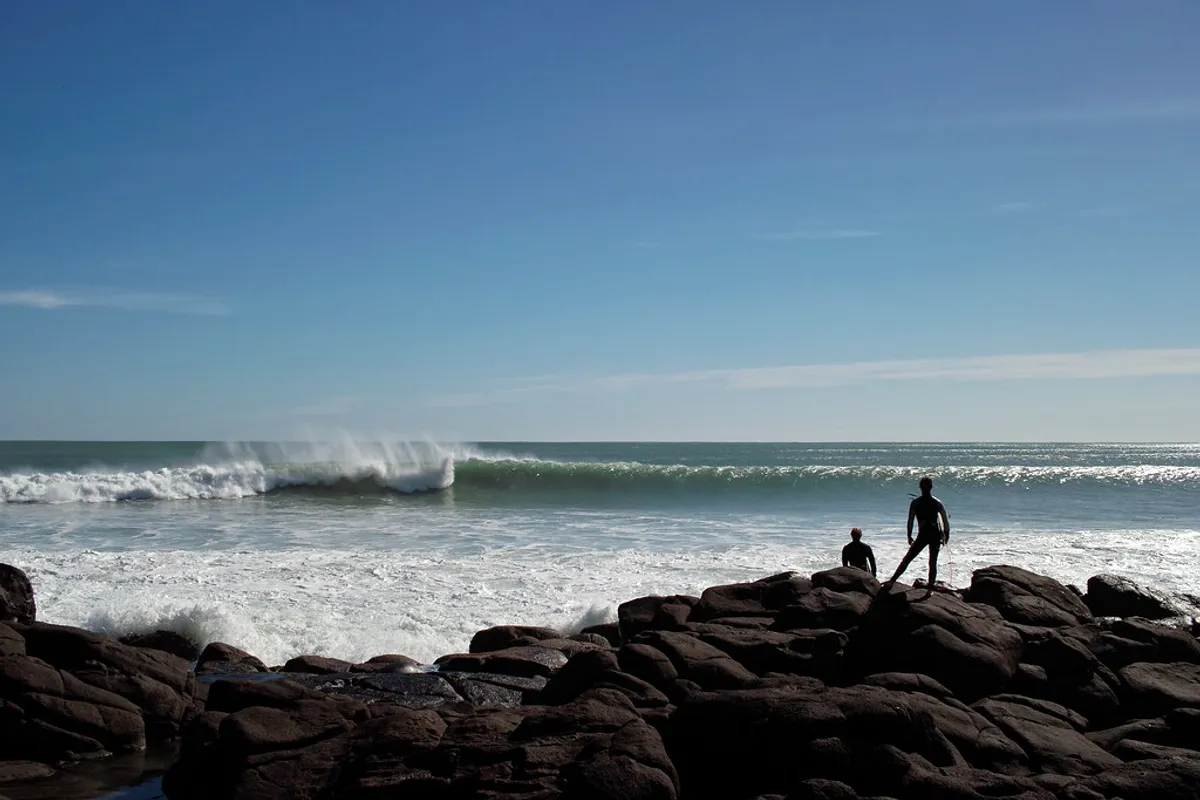
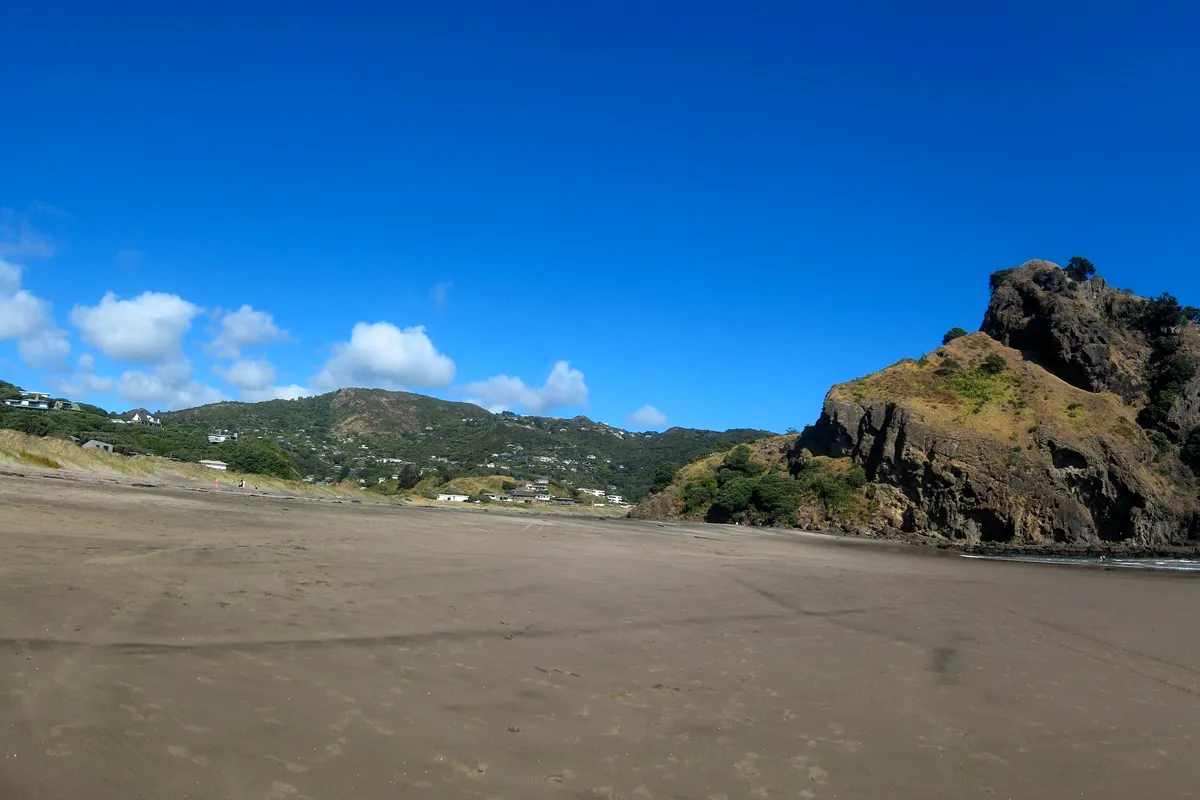
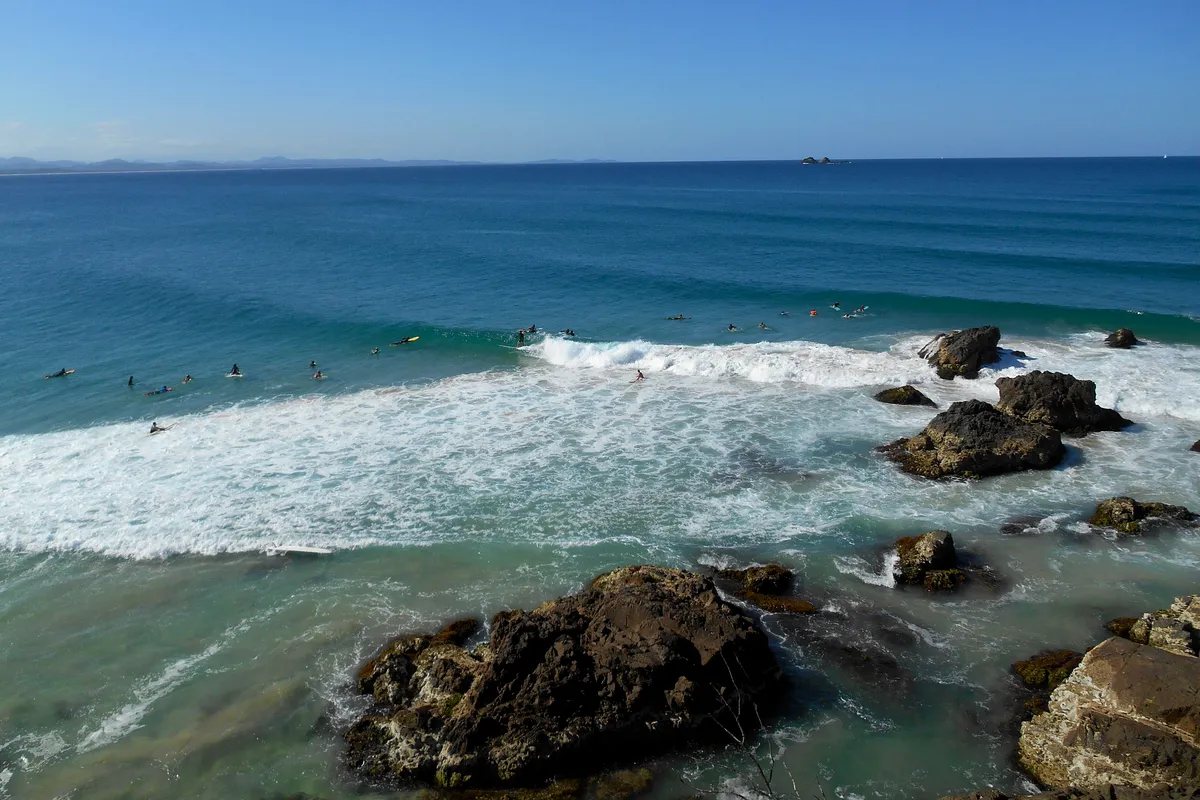
Recognised, publicly known surf spots around Gisborne. Suitability depends on the day's swell, wind and tide, so treat the level as a guide, not a guarantee.
| Break | Type | Best for | Notes |
|---|---|---|---|
| Wainui Beach (Stockroute and Pines) | Beach break | Intermediate | The district's main surf beach, with several peaks along its length. East or north-east swells light up the middle and southern sections; peaks shift with the sand. |
| Wainui north end (Chalet, Lone Pine, White Fence) | Beach break | Intermediate | The northern peaks pick up more on south and south-east swells and may offer a different angle when the main banks are crowded. |
| Makorori Point | Right-hand point | Intermediate–Advanced | A right that works best on a groundswell from the east or south-east. The line-up is more compact and takes some respect. |
| Makorori Beach | Beach break | Intermediate | Beach peaks beside the point. Handy when Wainui is crowded or a different wind direction suits. |
| Waikanae and Midway | Beach break | Beginner | Town beaches close to the city that can offer smaller, more forgiving waves and an easy start to a day. |
Gisborne surf climate, measured
Ten years of ocean model data for the open water off this coast: what the swell usually looks like before it reaches the beach. Shelter, sandbars and reefs change what you actually surf, so read this next to the month notes below.
| Month | Swell | Period | From | Wind | Water | Wetsuit | Days over 2.5 m |
|---|---|---|---|---|---|---|---|
| Jan | 1.4 m | 10 s | E | 12 km/h N | 19°C | 2 mm shorty or spring suit | 5% |
| Feb | 1.5 m | 10 s | SE | 12 km/h N | 20°C | 2 mm shorty or spring suit | 10% |
| Mar | 1.8 m | 11 s | SE | 13 km/h N | 20°C | 2 mm shorty or spring suit | 18% |
| Apr | 1.6 m | 11 s | S | 12 km/h NW | 18°C | 3/2 mm full suit | 5% |
| May | 1.9 m | 11 s | S | 14 km/h NW | 17°C | 3/2 mm full suit | 23% |
| Jun | 1.9 m | 10 s | S | 13 km/h NW | 15°C | 4/3 mm full suit | 20% |
| Jul | 1.9 m | 10 s | S | 13 km/h NW | 14°C | 4/3 mm full suit | 25% |
| Aug | 1.8 m | 11 s | S | 16 km/h NW | 14°C | 4/3 mm full suit | 18% |
| Sep | 1.6 m | 11 s | SE | 18 km/h NW | 14°C | 4/3 mm full suit | 13% |
| Oct | 1.5 m | 11 s | S | 11 km/h NW | 14°C | 4/3 mm full suit | 8% |
| Nov | 1.3 m | 10 s | SE | 15 km/h NW | 16°C | 3/2 mm full suit | 8% |
| Dec | 1.3 m | 10 s | S | 15 km/h N | 18°C | 3/2 mm full suit | 8% |
Median values from ERA5 at a sea point near Gisborne (38.75°S, 178°E), sampled 4 days a month at 12:00 UTC, 2015-2024. Highlighted months are our suggested planning window. Not a forecast or a safety assessment. How we use this data.
Book a surf trip to Gisborne
Everything we can link you to for this trip, grouped by what you need. Before you pay a camp or school, read who holds your money, and check that your insurance covers surfing.
Where to stay
Search near the breaks. Filter for surf hostels, apartments or hotels once you can see the map.
Surf lessons and activities
Listings change by season, so check what the operator includes and who coaches.
Flights
Add your dates and check the board fee on every leg before you pay.
Car hire
Ask about roof racks and whether the insurance covers boards on the roof.
Airport transfer
Tell the driver you have a board and its length when you book.
Mobile data
Download a forecast app and offline maps before you land.
Flight delay claims
If a delay eats your first surf day, check whether you can claim.
Luggage storage
Useful between check-out and a late flight. Check the size limit before dropping a board.
Links marked as partner links may earn us commission at no cost to you; the rest earn us nothing. We have not checked live availability or price, and the seller's terms apply. How we handle this.
A sunny corner of the Pacific coast
Gisborne is the largest settlement in the district of the same name and sits on the north side of Poverty Bay. It has a temperate oceanic climate with warm summers and mild winters, and the weather record shows around 2,200 hours of sunshine a year, which is among the sunniest of New Zealand's main centres. Rainfall near the coast is a little over a thousand millimetres a year.
Unlike the west coast, this shoreline faces the Pacific. Swell arrives from the east, north-east and south-east, so the beaches pick up energy from different weather systems. That variety is what gives the area its reputation for being reliable: if one direction is quiet, another may be making waves.
Wainui Beach: the main event
Wainui Beach, about eight kilometres east of the city along State Highway 35, is the best-known surf beach in the district and is known for consistent breaks. It is an east-facing beach break with several peaks along its length. Locals use names such as Stockroute, Schools and Pines for the sections towards the middle and southern end, and Chalet, Lone Pine and White Fence for the northern end.
Swell direction decides which end to try. An east or north-east swell tends to favour the middle sections, while a southerly or south-easterly swell often lights up the north end. Because the beach is long, you can usually find a peak with fewer people. Wainui is also a place where a few well-known national surfers grew up, so you will see good standard in the water on any decent day.
Makorori and the headlands north
North of Wainui, the coastline climbs towards a series of headlands with more points and reefs. Makorori Point is a right-hand point break that works best on swells from the east and south-east, according to local forecast sources, and the line-up can be a little more demanding than the main beach. There are also beach peaks at Makorori itself.
Further north-east lies the Mahia Peninsula, a long drive from the city but a popular destination for people who want fewer surfers and a more remote feel. Always check tide, swell and local advice, because several of the headland breaks need specific conditions and some work only over reef or rock.
City beaches and sheltered options
Close to the city centre, Waikanae and Midway are town beaches that offer smaller waves on many days and are a sensible option for beginners or for a quick session. Kaiti Beach, at the foot of Kaiti Hill, is where Captain Cook made his first New Zealand landfall in October 1769, and the landing site is a historic reserve. Sponge Bay is on the road out to Wainui.
These beaches do not always have the best surf, but they are convenient and often less crowded than the main breaks. After a big southerly swell they can be a safer choice than the open coast. The harbour and river mouth are not good places to swim or surf because of currents and debris.
Getting here and getting around
Gisborne Airport has regular flights to Auckland and Wellington, and the city is not on a main highway. By road, State Highway 2 links Gisborne to Napier via Wairoa and to Tauranga via Ōpōtiki, and both are long drives. Many surfers arrive on a short flight from Auckland and rent a car at the airport.
Wainui is about twenty minutes from the city by road, and you will want a car to move between Wainui, Makorori and the town. Public transport to the beaches is limited. If you are doing a longer North Island loop, the East Cape route past Tolaga Bay and Tokomaru Bay is a scenic way to arrive, but allow plenty of time because the road is winding.
Food, wine and history between sessions
The Poverty Bay flats are farming country, with vineyards and orchards around Mākaraka, Matawhero and Ormond, and the region has built a reputation for white wine. Cafes and restaurants cluster in the city centre and by the river. Local seafood is a good choice.
For history, Kaiti Hill (Titirangi) gives a wide view over the bay and the Cook landing site, and the Tūranganui River, only about 1.2 km long, is described as the shortest river in New Zealand. Young Nick's Head, the headland first sighted from the Endeavour, is named after the cabin boy who spotted it. Māori and European history are both visible here, and the region is a good place to learn about both.
Water, wind and safety
East coast water is generally a little warmer than the west, but Gisborne is still a place for wetsuits for most of the year. A spring suit is enough for late summer in many seasons, and a 4/3 is typical in winter. Offshore winds on this coast are often from the west and north-west, so mornings are frequently the cleanest.
Rips run off the beach breaks, especially after a swell has built a channel in the sand. Lifeguards patrol some beaches in the summer season, but not every day, and the headland breaks have no cover. Surf with a friend, tell someone where you are going and take care on rock platforms at low tide. The sun is strong, so cover up.
Gisborne surf season month by month
A broad planning picture, not a forecast. Swell, wind and water temperature vary from year to year.
| January | Peak summer, with the warmest water of the year and plenty of sun. Crowds build at the main beach, and early sessions beat the sea breeze. |
|---|---|
| February | Warm and settled weather. Ex-tropical swells from the north-east can arrive in summer and make for a good week of waves. |
| March | Often a standout month: warm water, lighter winds and swell from multiple directions. Quieter than January. |
| April | Autumn is dependable. The water is still comfortable in a spring suit or thin full suit, and offshore mornings are common. |
| May | Cooler water and more southerly swell. The beaches are quiet and you will want a 3/2 or 4/3. |
| June | Early winter with cooler water and short days. Good swell on southerly systems but the weather can change quickly. |
| July | The coldest month. A 4/3 full wetsuit, boots and perhaps a hood suit longer sessions. Waves can be large and clean on offshore days. |
| August | Still wintry but days start to lengthen. Strong southerlies can bring bigger swell, so pick your beach with care. |
| September | Spring storms and variable wind. Swell remains steady and the beaches are quiet outside school holidays. |
| October | A pleasant shoulder month. Water slowly warms and the area is quiet. Check the forecast, since small days alternate with strong ones. |
| November | Early summer. Warmer days and lighter crowds, with morning sessions the best, and a spring suit becomes an option towards the end. |
| December | Summer begins. Holiday crowds arrive and the water warms, with north-east swells possible. Surf early, since the breeze often picks up by midday. |
Learning to surf in Gisborne
Gisborne has a small number of surf schools and a lot of beginner-friendly beach. The most common teaching spots are the town beaches and the quieter stretches of Wainui, where sandbars are gentle on smaller days. Lessons usually use soft boards in the white water, with a wetsuit included.
Ask how many students share an instructor and how the school picks its beach on the day. The best operators move to the most sheltered banks and avoid areas with strong rips. Lessons in the morning generally have lighter winds and calmer water.
If you already surf and want to improve, Gisborne is a friendly place to progress. Locals tend to be welcoming when you follow etiquette, sit wide and wait your turn.
Comparing options across the country? Read our guide to surfing in New Zealand.
Seasonal notes on this page describe typical patterns, not the conditions on a given day. Use the local forecast, lifeguard advice and a qualified instructor for water-safety decisions, and get a written breakdown of what any surf package includes before paying.
Gisborne surf trip questions
What is the best time to surf in Gisborne?
Late summer and autumn, roughly February to April, combine comfortable water with reliable swell. Winter has stronger swell and colder water, while December and January are busy.
Is Gisborne good for beginners?
Yes, on the right days. The town beaches and some Wainui sandbars offer smaller waves, and a local school can pick a safe spot. Rips and shifting banks still need respect.
How do I get to Gisborne?
Fly from Auckland or Wellington, or drive. By road it is a long journey from Napier, Tauranga or Auckland, so most visitors fly and rent a car at the airport.
Do I need a car in Gisborne?
Almost certainly. Wainui and Makorori are outside the city, and public transport to the beaches is limited. A rental car lets you chase the best banks.
Is Gisborne still the first city to see the sunrise?
Not strictly. Gisborne is among the first places in the world to see the sun on many days, but the article on the city notes that it is no longer first except in summer. It remains a popular sunrise destination.
Sources & editorial notes
Destination context checked against the sources below. Base-selection and itinerary suggestions are Book & Surf editorial recommendations. Seasonal windows are broad planning suggestions, not measured forecasts or guarantees.
- Wikipedia: Gisborne, New Zealand ↗
- Wikipedia: Wainui Beach ↗
- Blitz Surf: Surf breaks at Wainui Beach ↗
- Tairāwhiti Gisborne tourism ↗
We do not claim to have personally surfed every break. Read our editorial standards.